Integration of Energy Markets of the Energy Community Countries with the European Market Discussed at the 30th Edition of the Athens Electricity Forum

The integration of Energy Community member countries into the EU single market and the necessary reform agenda for this process were discussed at the 30th edition of the Athens Electricity Forum, one of the most important regional events dedicated to electricity market regulation and development. The forum was organized under the auspices of the Energy Community Secretariat, held on June 4–5.
The Republic of Moldova was represented at the meeting by the Secretary of State at the Ministry of Energy, Constantin Borosan. The official presented the draft of the new electricity law, approved in its first reading, which transposes into national legislation the provisions of the EU’s Fourth Energy Package, known as the “Electricity Market Integration Energy Package.” The draft law sets out general principles for the functioning of electricity markets, including wholesale electricity markets such as bilateral contract markets, forward markets, day-ahead and intraday markets, and the balancing market. It also introduces new concepts such as electricity storage, electricity trading, aggregation, etc.
"The development and adoption of the law, most likely to be finalized in June this year, was the result of a two-year effort. We are determined to implement this law, which provides a wide range of tools to facilitate active consumer participation in the market, and to couple with the EU market by 2027," said Constantin Borosan.
The meeting also emphasized the need to adopt a regulatory framework aligned with the EU in order to apply uniform rules across all participating countries.
During the panel dedicated to energy accessibility and active consumer participation in the electricity market, Constantin Borosan presented the evolution of the energy crisis in recent years and the mechanisms used to reduce its impact on Moldovan consumers. Among them is the Energy Vulnerability Reduction Fund, which allocated bill compensation for energy resources and implemented other short-term measures.
At the same time, the Ministry of Energy has developed and launched several energy efficiency programs in both the residential and public sectors to reduce the impact and sensitivity of prices for consumers. These include the Residential Sector Energy Efficiency Fund, the Green Home Program, the EcoVoucher Program for replacing old household appliances with energy-efficient ones, as well as a series of projects dedicated to the public sector.
Other topics discussed during the meeting included the role of regulatory authorities in facilitating the energy transition and market integration, cooperation between transmission system operators and between distribution system operators, as well as the carbon border adjustment mechanism, which is expected to become operational at the beginning of 2026.
The forum brought together representatives of regulatory authorities, system operators, European institutions, and the business sector, offering a key platform for debates on energy security, regional integration, and the transition to a more efficient and sustainable energy market.
 [1]
[1] [2]
[2]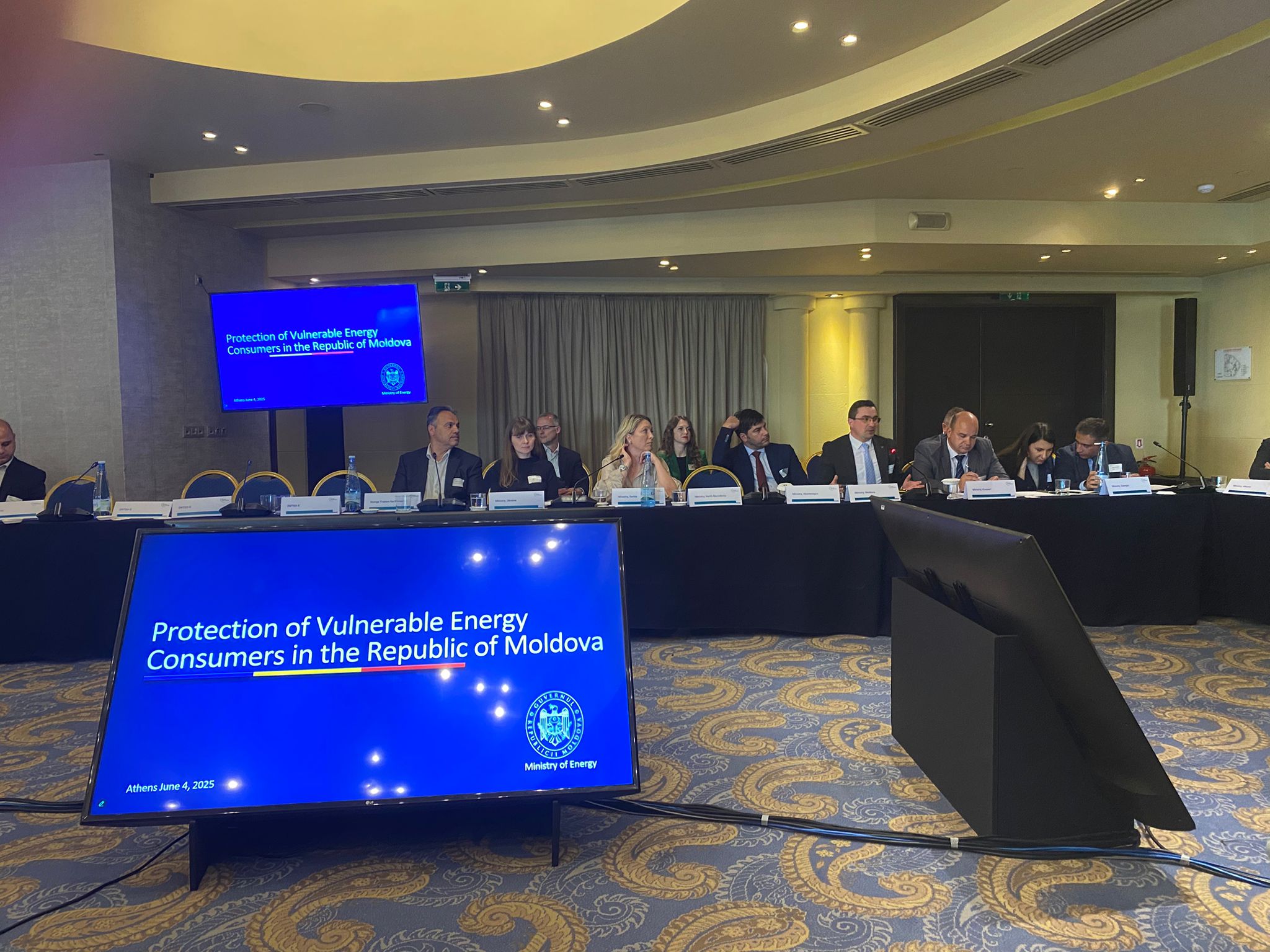 [3]
[3]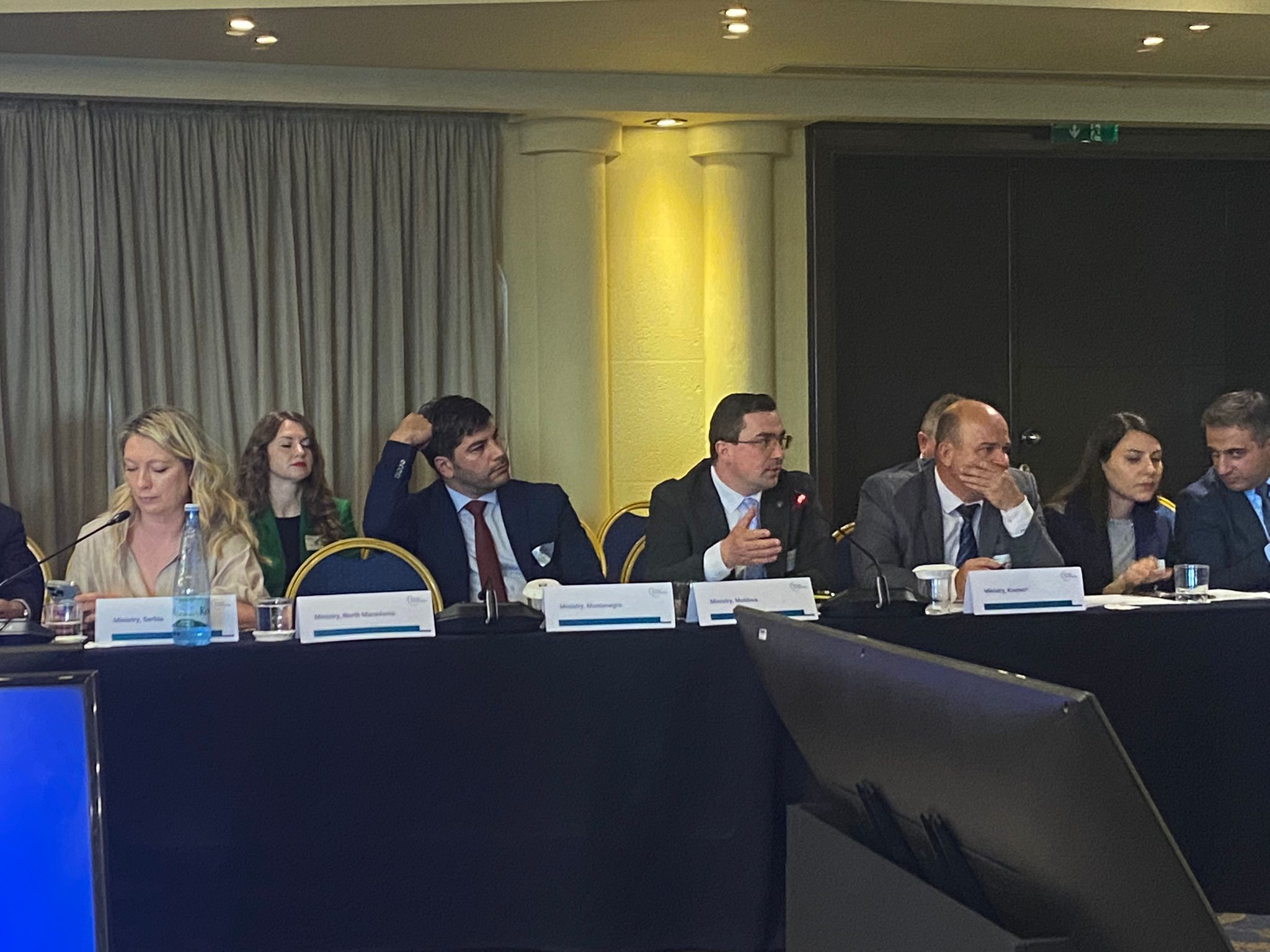 [4]
[4] [5]
[5]