Construction of the Strășeni–Gutinaș Power Line Discussed by Minister of Energy Dorin Junghietu and Representatives of the U.S. Embassy
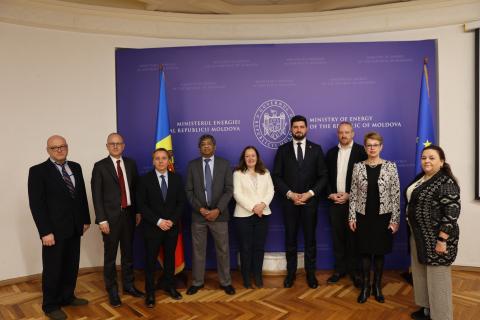
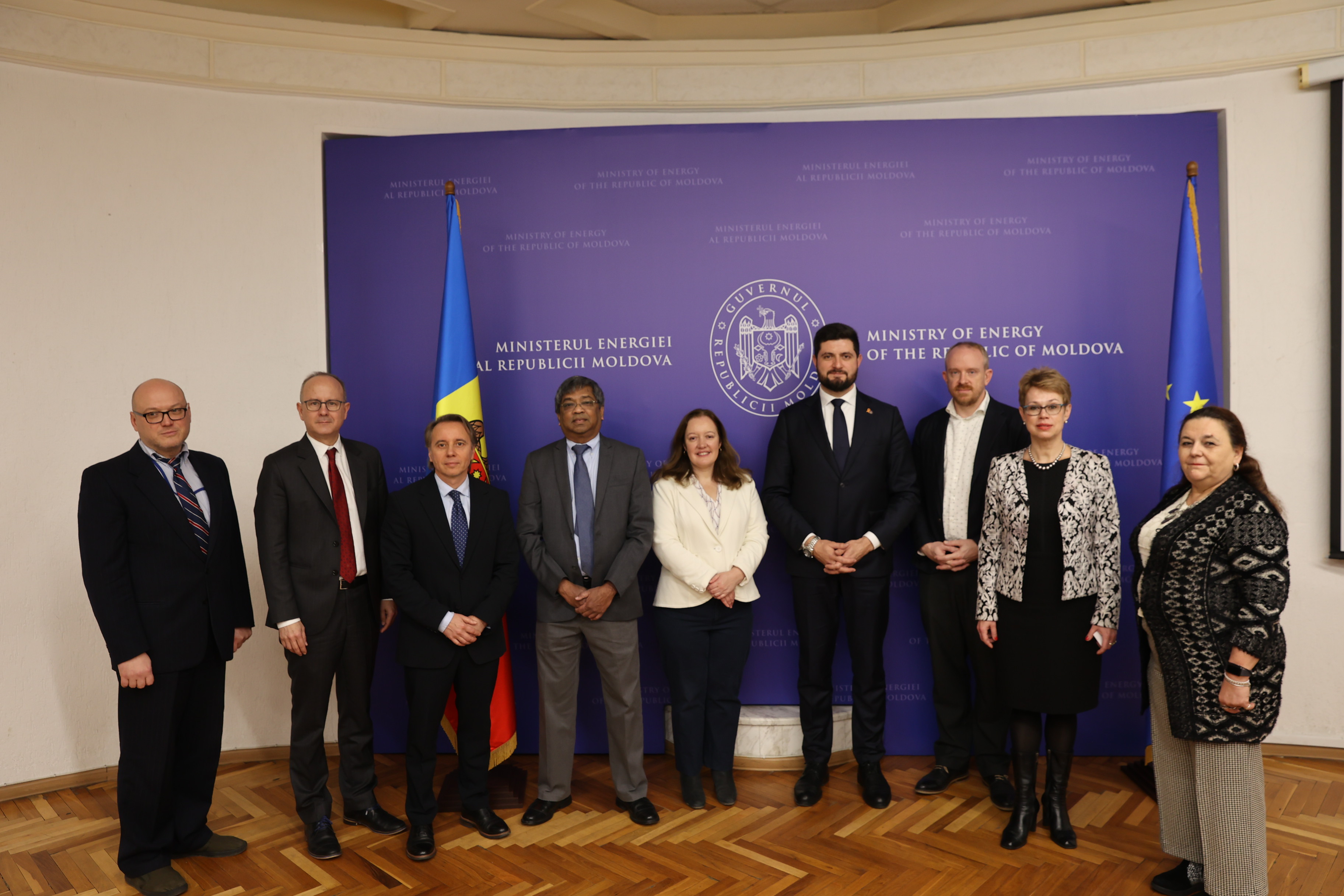
The Minister of Energy, Dorin Junghietu, met today with representatives of the U.S. Embassy in Chișinău to discuss preparations for the construction of the 400 kV Strășeni–Gutinaș power line. The meeting was also attended by representatives of the company Black & Veatch, which will provide consultancy for the bidding and construction procedures of the line. Their expertise covers the entire infrastructure lifecycle, from design and consultancy to operation and maintenance.
Fully funded by the United States through a 130-million-dollar grant, the Strășeni–Gutinaș power line is an important component of the National Energy Security Consolidation Plan. It is a strategic priority for increasing energy independence by reducing reliance on a single route or geopolitically unstable regions, decreasing network losses, and improving the reliability of the power sector.
A key benefit of the Strășeni–Gutinaș power line is the increase in the commercial electricity transfer capacity (NTC – Net Transfer Capacity) between the Republic of Moldova and the ENTSO-E network. This expansion of interconnection capacity will allow the Republic of Moldova to participate more actively in regional energy trade, import and export electricity under more favorable conditions, and access cheaper and more diversified energy resources.
With a total length of 190 km — 70 km on the territory of Moldova and 120 km on the territory of Romania — the Strășeni–Gutinaș Line will be the third 400 kV overhead power line between Moldova and Romania.
The only operational 400 kV line, Isaccea–Vulcănești, currently passes through the energy node at the Moldovan Power Plant, known as MGRES, located in the Transnistrian region, which is not under the control of the constitutional authorities. A new line is being built from Vulcănești to Chișinău that will bypass the Transnistrian region and ensure the security of energy deliveries. This project is financed by the World Bank, with a total value of 61 million euros, of which approximately 27 million euros are allocated to the construction of the line.
Another 400 kV line will be built between Bălți and Suceava, financed by the European Union with 77 million euros. Of this amount, 15.4 million euros represent an EU grant, 30.8 million euros a loan from the European Bank for Reconstruction and Development, and 30.8 million euros a loan from the European Investment Bank.
 [1]
[1]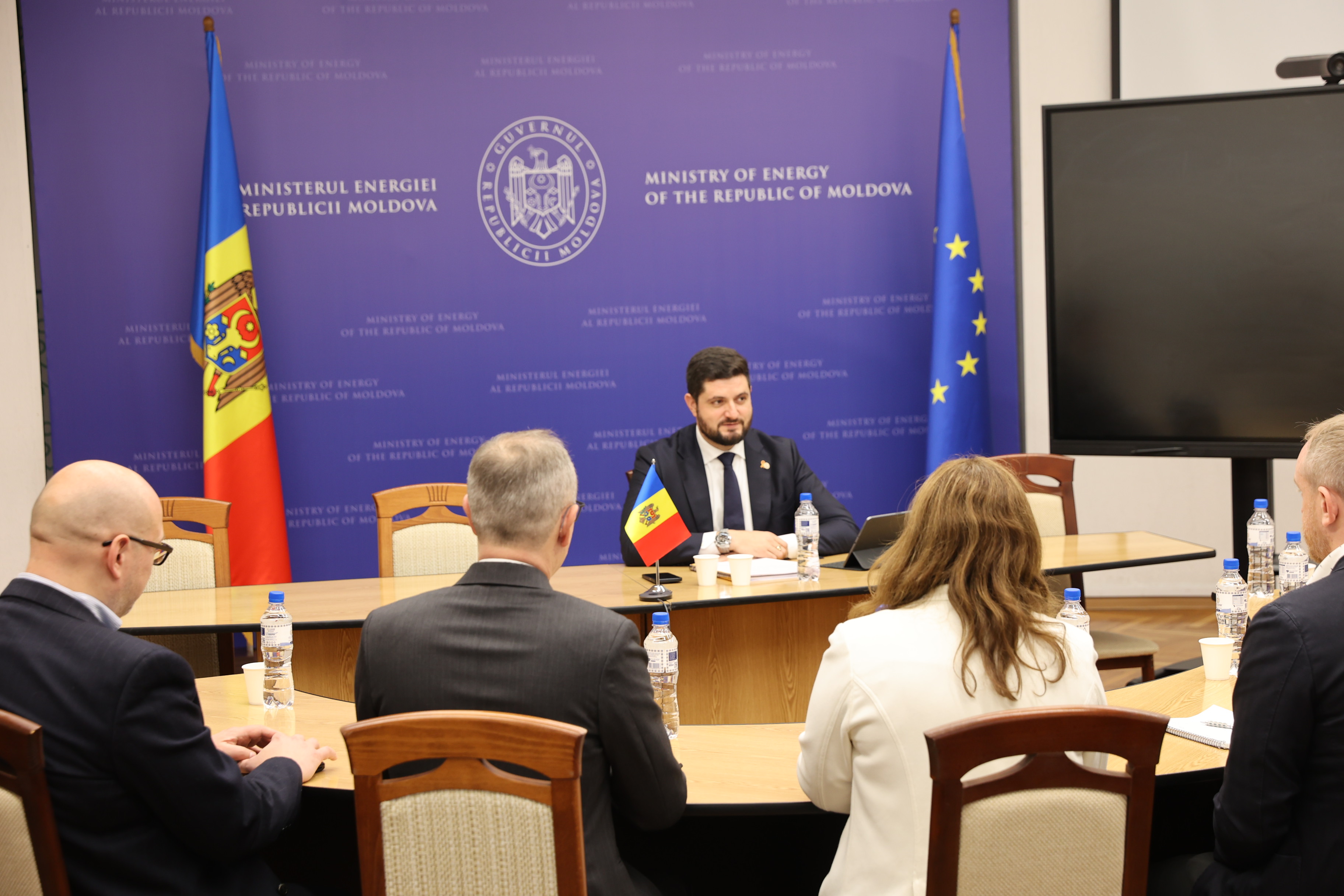 [2]
[2]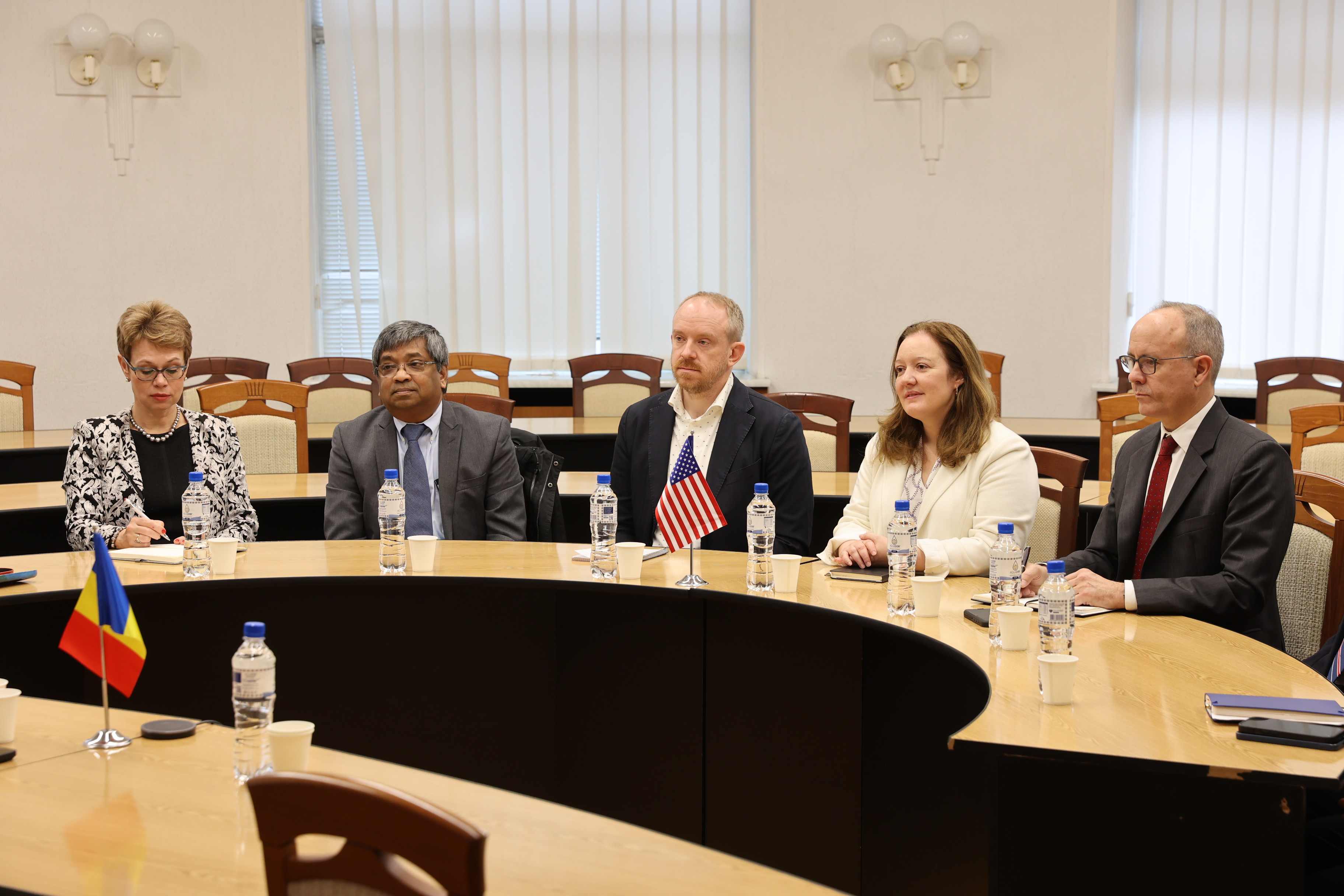 [3]
[3]