Cost–Benefit Study on the Use of Smart Meters Presented at the Ministry of Energy

During the meeting of the Working Group on smart metering, representatives of the Ministry of Energy, UNDP Moldova, and distribution system operators reviewed the preliminary results of the cost–benefit study regarding the potential nationwide expansion of the smart metering pilot project. The analysis is important for understanding the economic, technical, and social impact of large-scale implementation of smart meters.
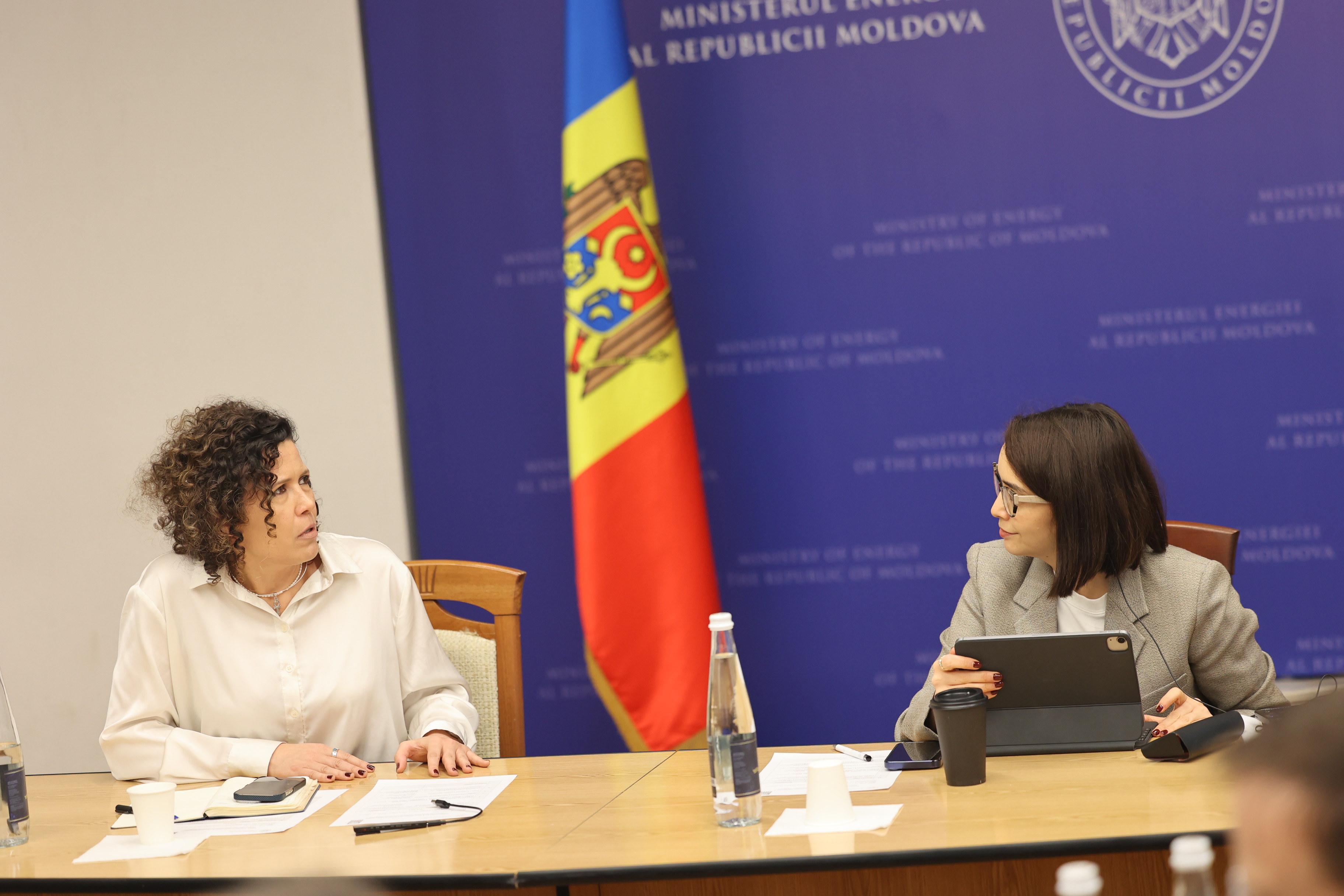
The event took place at the Ministry’s headquarters and was chaired by State Secretary Cristina Pereteatcu.
“The preliminary results of the cost–benefit study help us better understand how we can responsibly and efficiently scale up the pilot project nationwide. This is not only about modern technologies, but also about better-informed consumers, more accurate bills, and a safer, more flexible, and better-prepared energy system,” said State Secretary Cristina Pereteatcu.
The working group also discussed the updated analysis of differentiated pricing and how various tariff categories can encourage the transition toward more efficient and flexible energy consumption. Participants examined how differentiated pricing, combined with smart metering, can promote off-peak consumption and contribute to load balancing within the system.
The smart metering pilot project, launched by the Ministry of Energy with the support of UNDP Moldova and financing from the Government of Italy, предусматривает the installation of 100,000 smart meters by the end of 2027, representing 7% of the total 1.4 million electricity consumers.
This initiative supports the Government’s efforts to digitalize the energy sector and contributes to the creation of a resilient energy infrastructure aligned with European standards. It also enables more efficient demand management, grid balancing, cost optimization for consumers, and the reduction of energy vulnerabilities.
 [1]
[1] [2]
[2]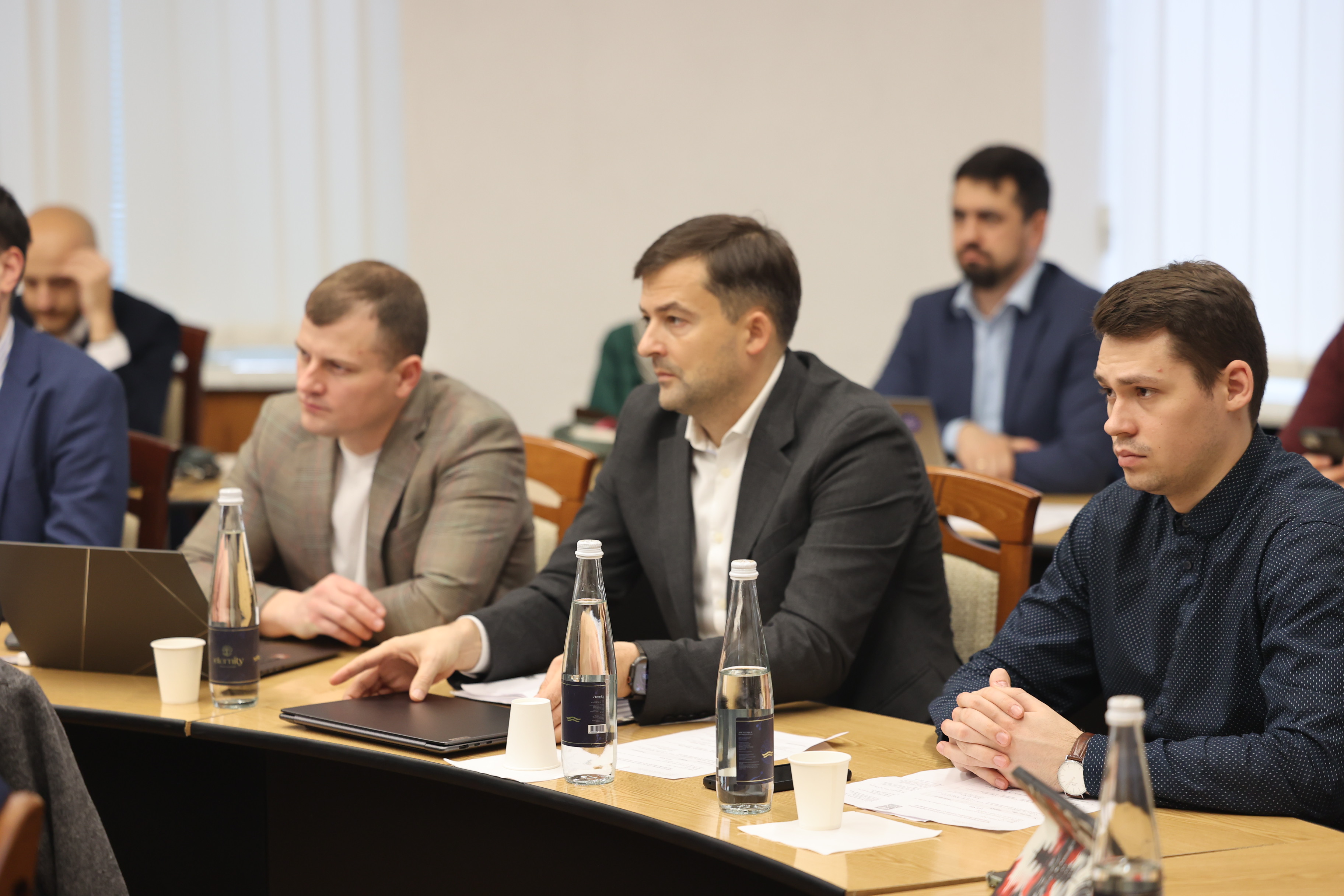 [3]
[3]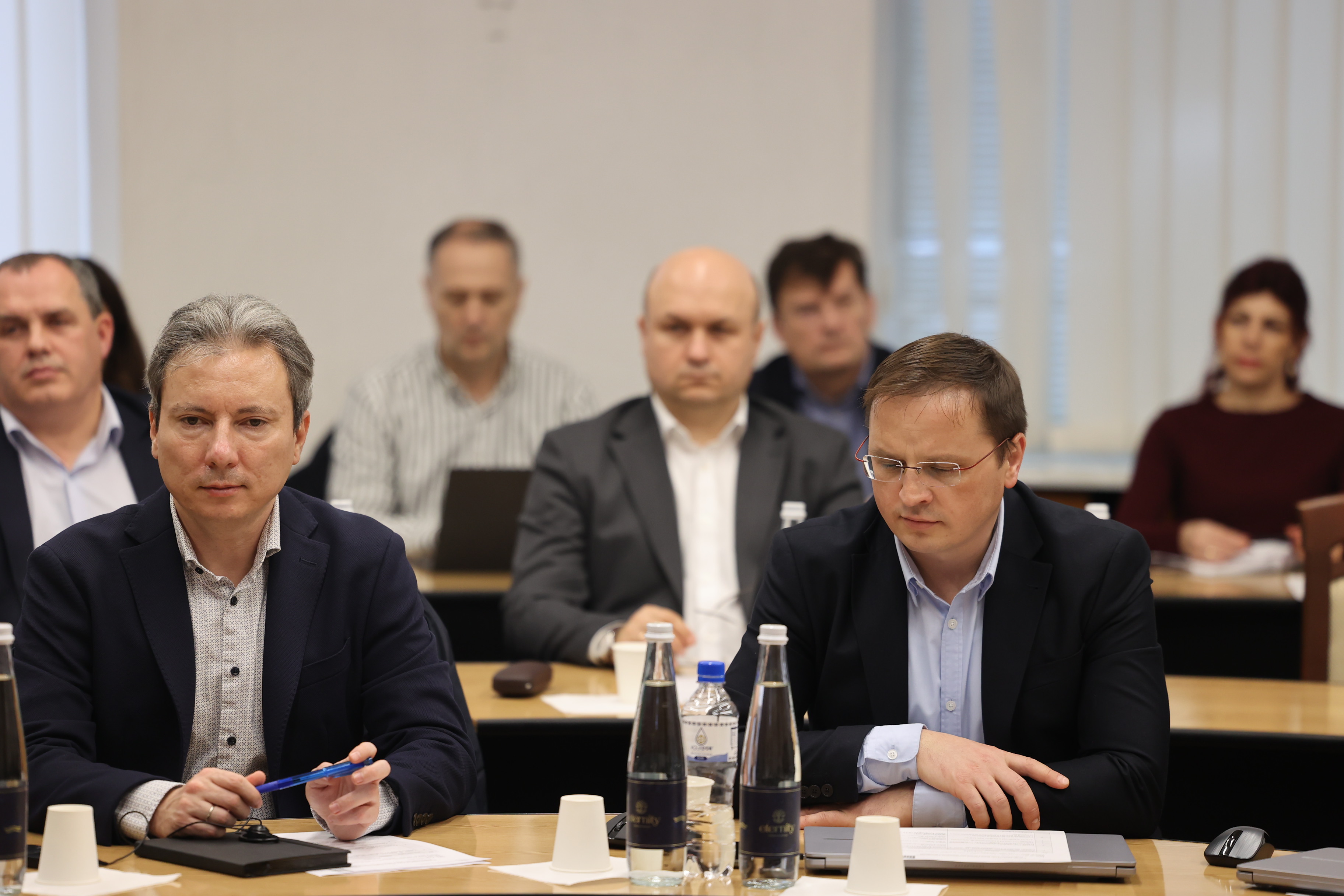 [4]
[4]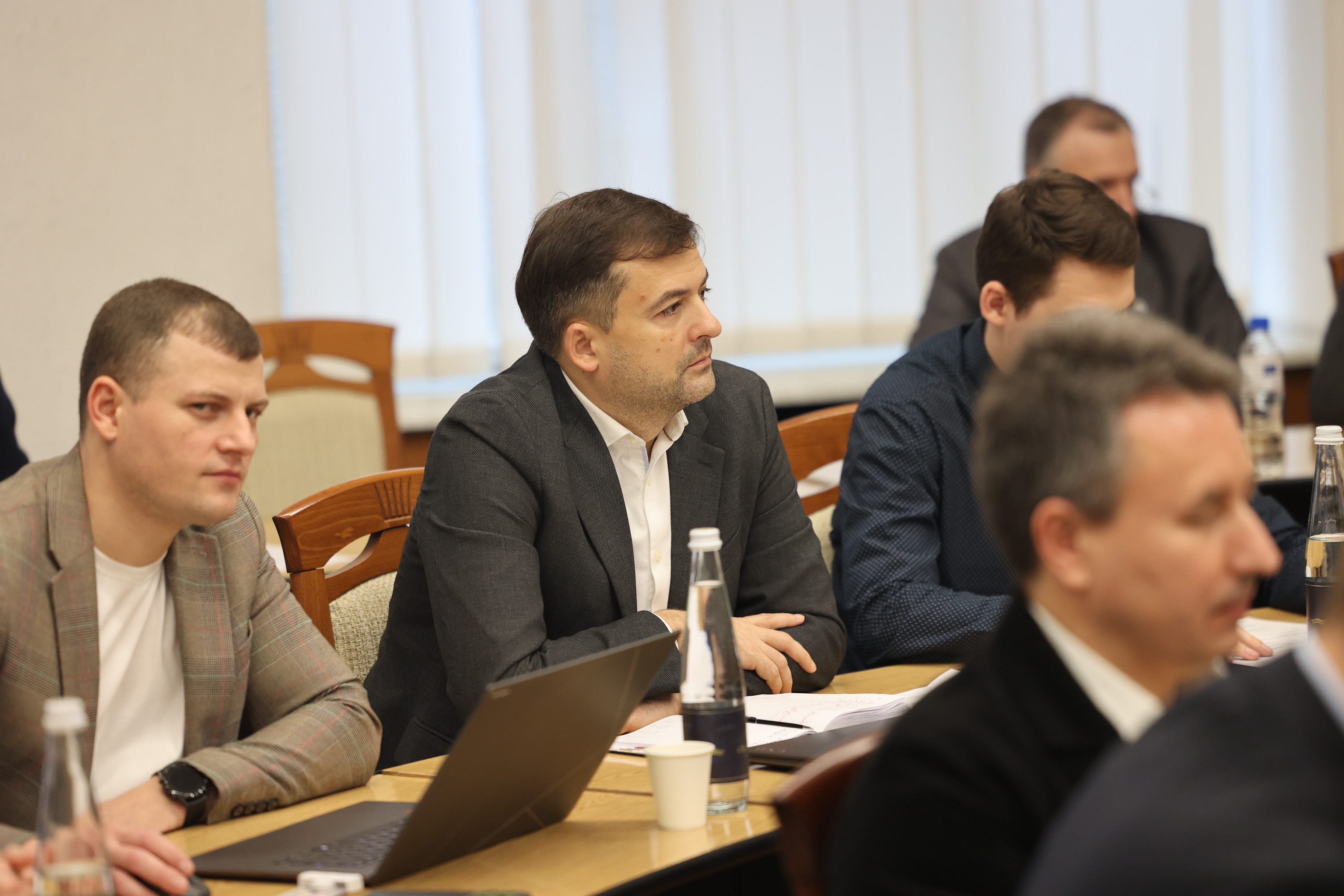 [5]
[5] [6]
[6] [7]
[7] [8]
[8]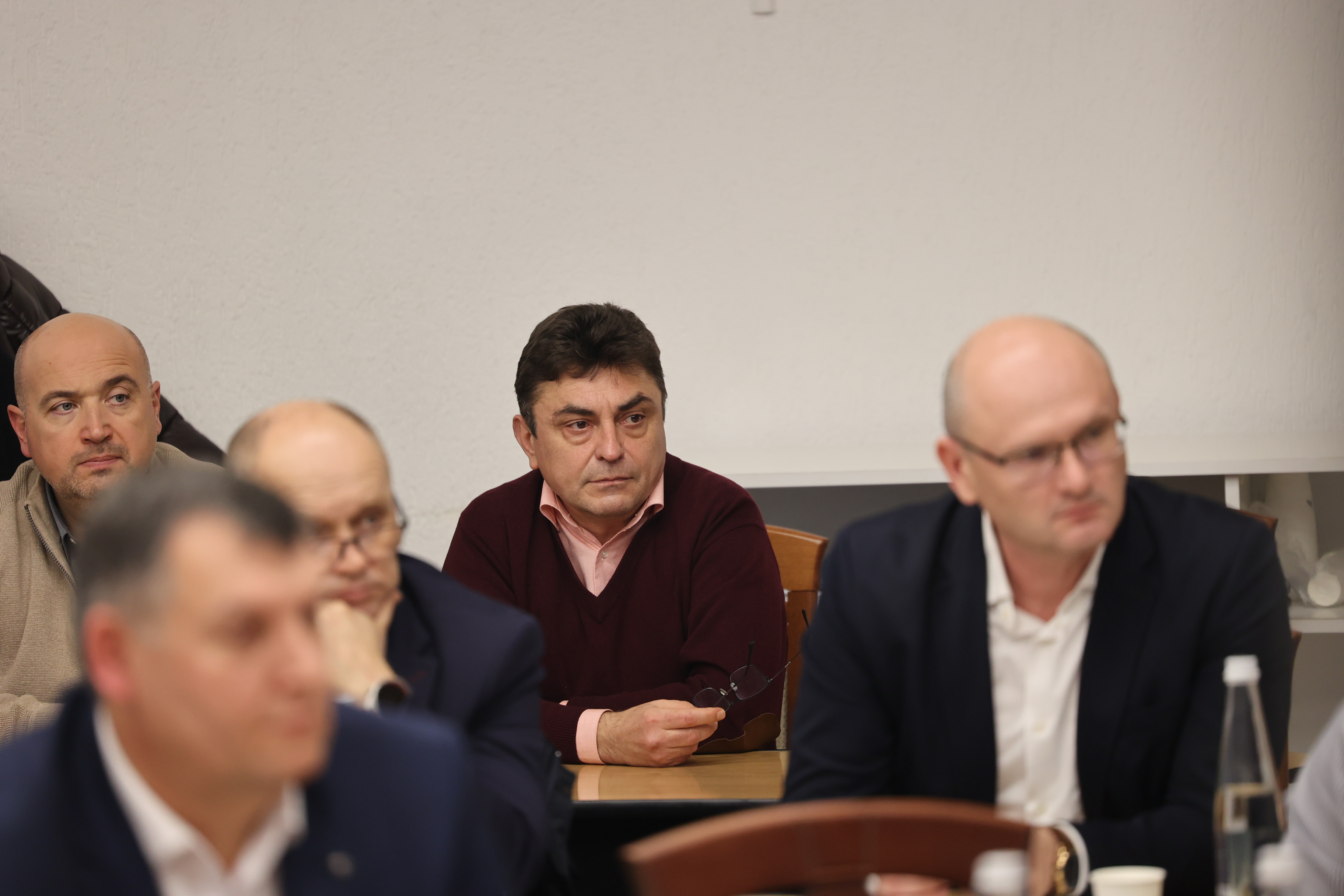 [9]
[9] [10]
[10]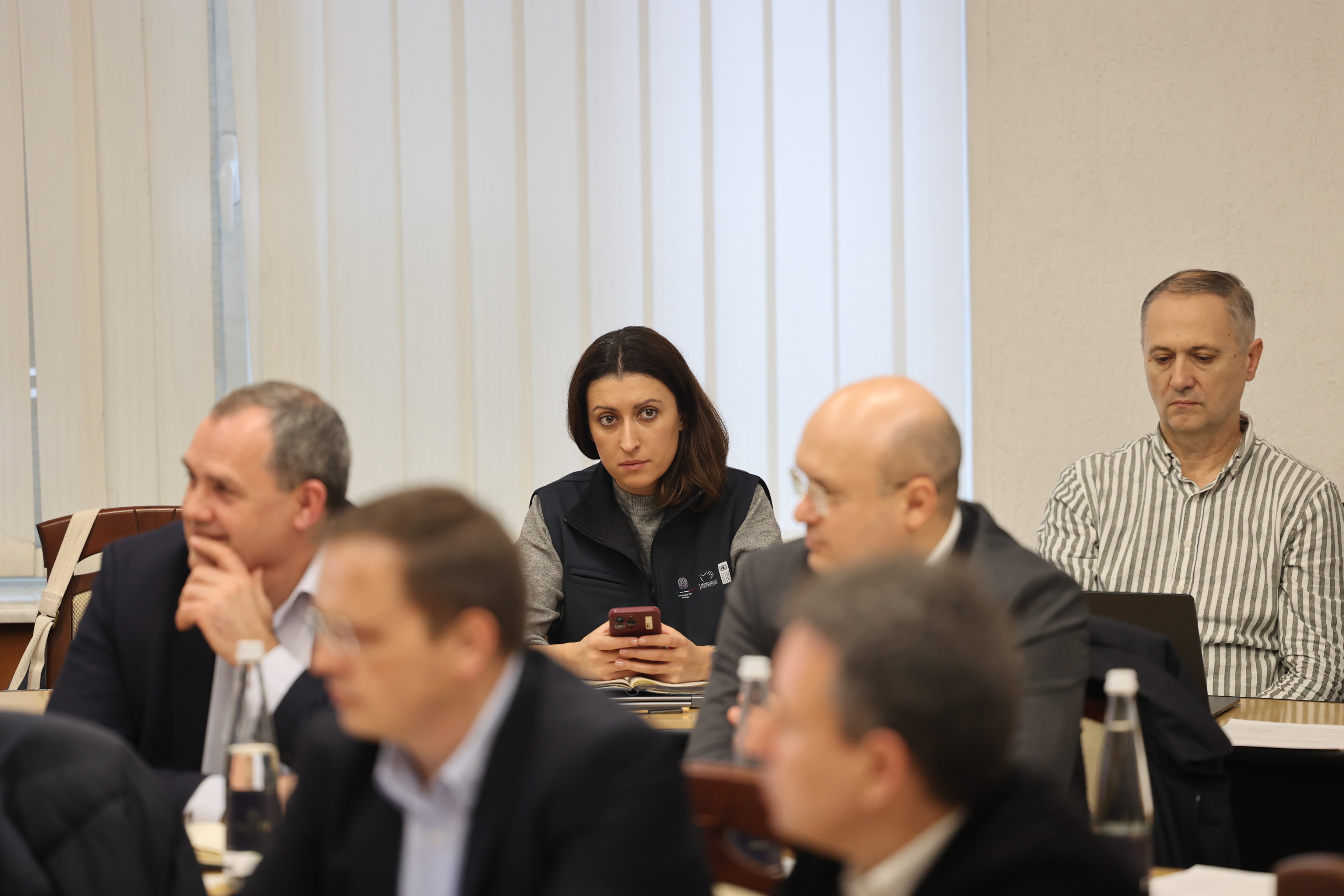 [11]
[11]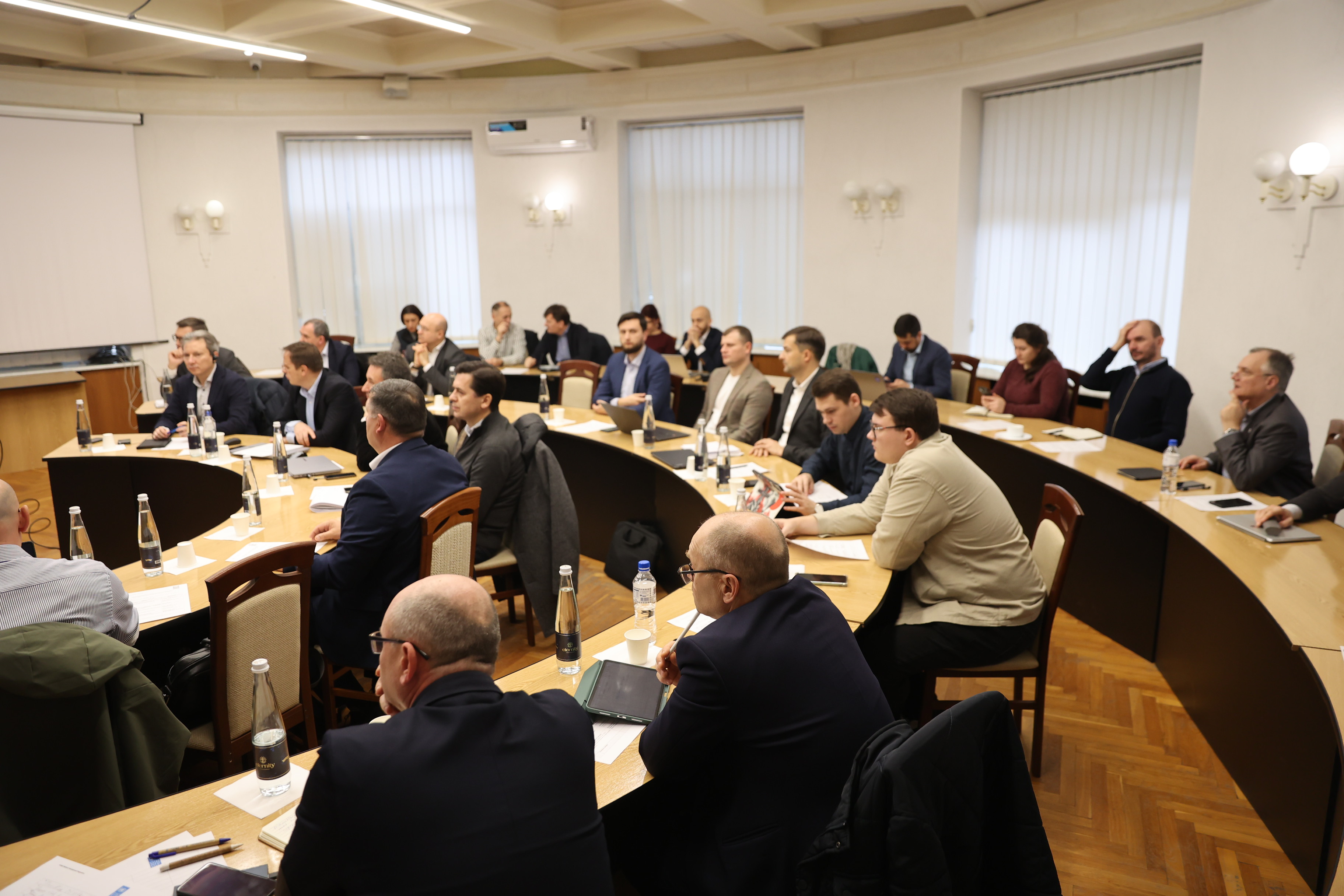 [12]
[12] [13]
[13] [14]
[14]