Cristina Pereteatcu: Cybersecurity Is Essential for Connecting to the European Energy Market

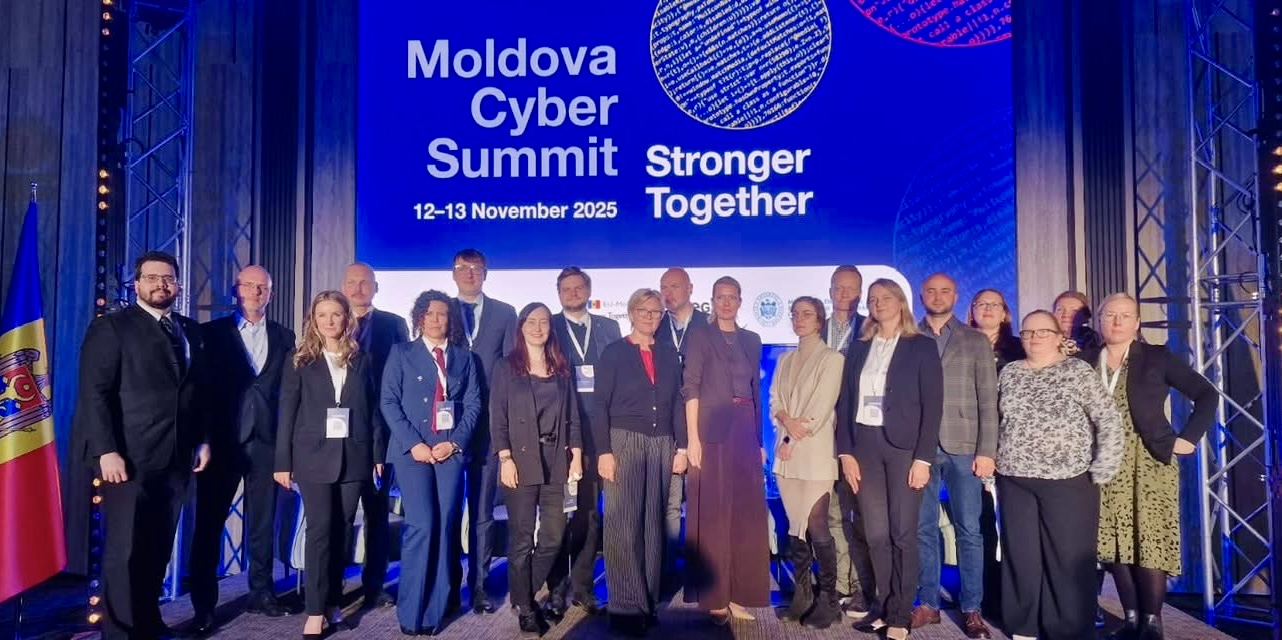
Cybersecurity is essential for connecting the national energy system to the European market, and the Ministry of Energy has set clear priorities for strengthening it, including the creation of a smart and interoperable infrastructure in the energy sector, enhancing cybersecurity, and integrating renewable energy into the grid, stated today Secretary of State Cristina Pereteatcu, responsible for digitalization, during the event “Moldova Cyber Summit 2025: Stronger Together.” The high-level forum brought together for two days representatives of the government, industry, the business community, and international partners to discuss the strengthening of Moldova’s cyber resilience.
During a panel discussion, Cristina Pereteatcu emphasized that although the Republic of Moldova began addressing cybersecurity issues several years ago, the energy sector had long operated in “crisis mode,” focusing on resilience and ensuring the availability of electricity and gas, without systematically addressing cybersecurity.
“The Cybersecurity Law was adopted by Parliament in March 2023, at the time when the Ministry of Energy began functioning as a separate entity. Upon the ministry’s establishment, we assessed the preparedness level of transmission, distribution, and supply operators in terms of cybersecurity. The data obtained formed the foundation of the Digital Transformation Program, one of whose main objectives is strengthening cybersecurity capacities,” highlighted Cristina Pereteatcu.
However, challenges remain enormous, the Secretary of State added, explaining that digitalization and cybersecurity are closely linked and must be implemented simultaneously.
“We have launched training programs to prevent cyber risks and increase awareness among top managers, supported by NATO’s Tailored Training & Support (TTS) exercises and programs of the U.S. Department of Energy. At the beginning of October, the Government approved the first national policy document—the Digital Transformation Program for the Energy Sector for 2026–2030. Digitalization and cybersecurity are interdependent processes and must be addressed together,” emphasized Cristina Pereteatcu.
The Secretary of State also referred to the Program’s provisions that directly contribute to streamlining and modernizing energy networks, reducing losses to 10% and generating annual savings of about 200 million lei, while operational costs are expected to decrease by 20–25% by 2030, ensuring more affordable tariffs for consumers and competitiveness for businesses.
Additionally, the recently approved Government document provides for the introduction of the National Register of Consumption Points (RNLC), which will assign unique codes to each consumption point, facilitating billing transparency, continuous monitoring, and rapid supplier switching.
The Program enables real-time data collection and analysis on energy production, imports, and consumption, offering access to authorities, suppliers, and consumers. At the same time, digital transformation supports the green transition by increasing renewable energy integration capacity from 150 MW to 600 MW by 2030.
“Cybersecurity is no longer optional; it is essential for interconnection with the European market and for long-term electrification. Our plans include certifying all market actors, ongoing training, and developing a center for preventing cyberattacks. Energy is critical infrastructure, and any incident would have major effects on the functioning of the country,” concluded Cristina Pereteatcu.
The Moldova Cyber Summit 2025 provided a platform for discussions on strengthening national cybersecurity governance, supporting legislative and operational alignment with European standards, sharing international and regional experiences in protecting critical systems, and developing partnerships between the Government, the private sector, and international allies.
 [1]
[1]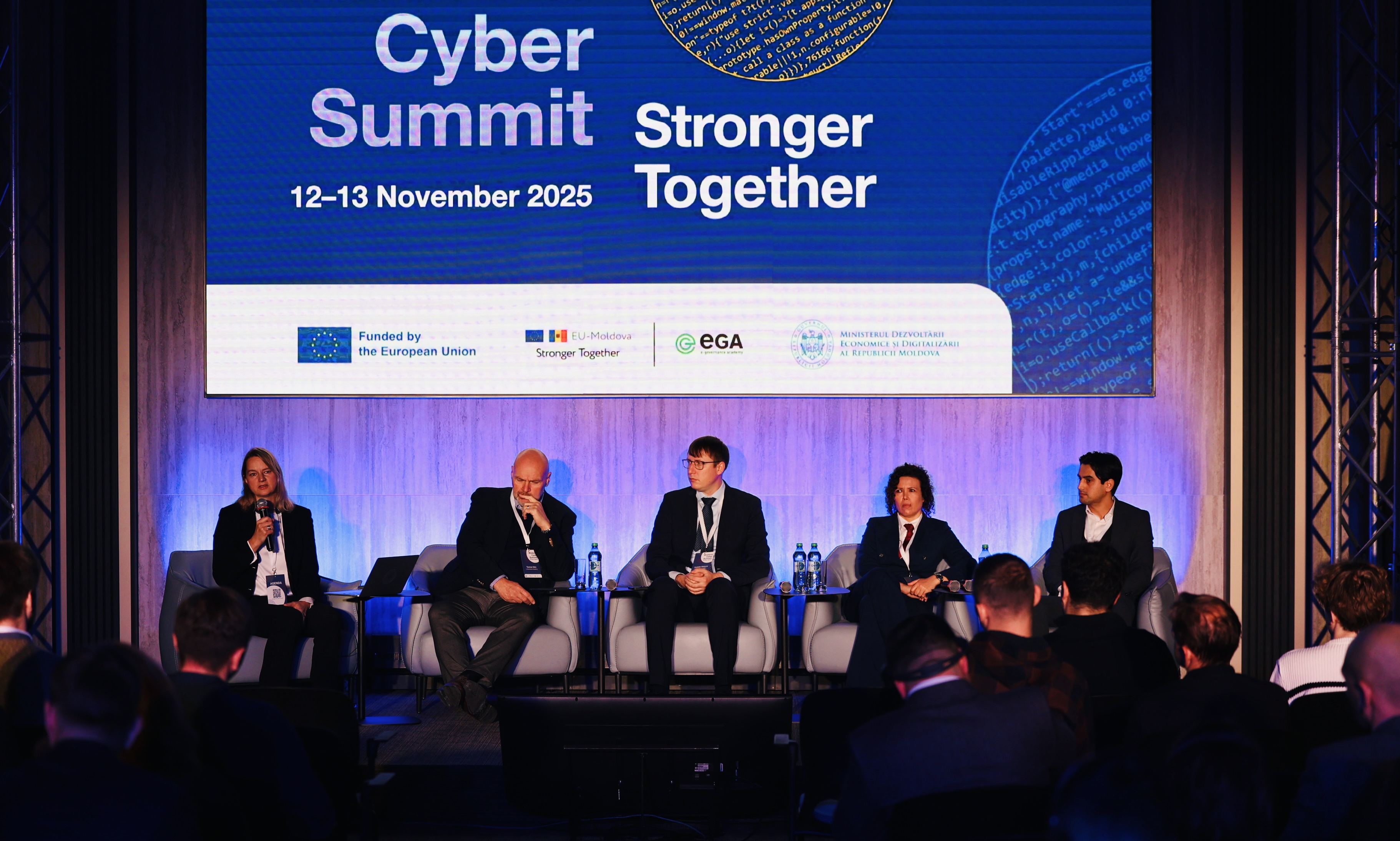 [2]
[2] [3]
[3] [4]
[4]