Launch of the Project on Energy Efficiency in Educational Institutions in the Republic of Moldova

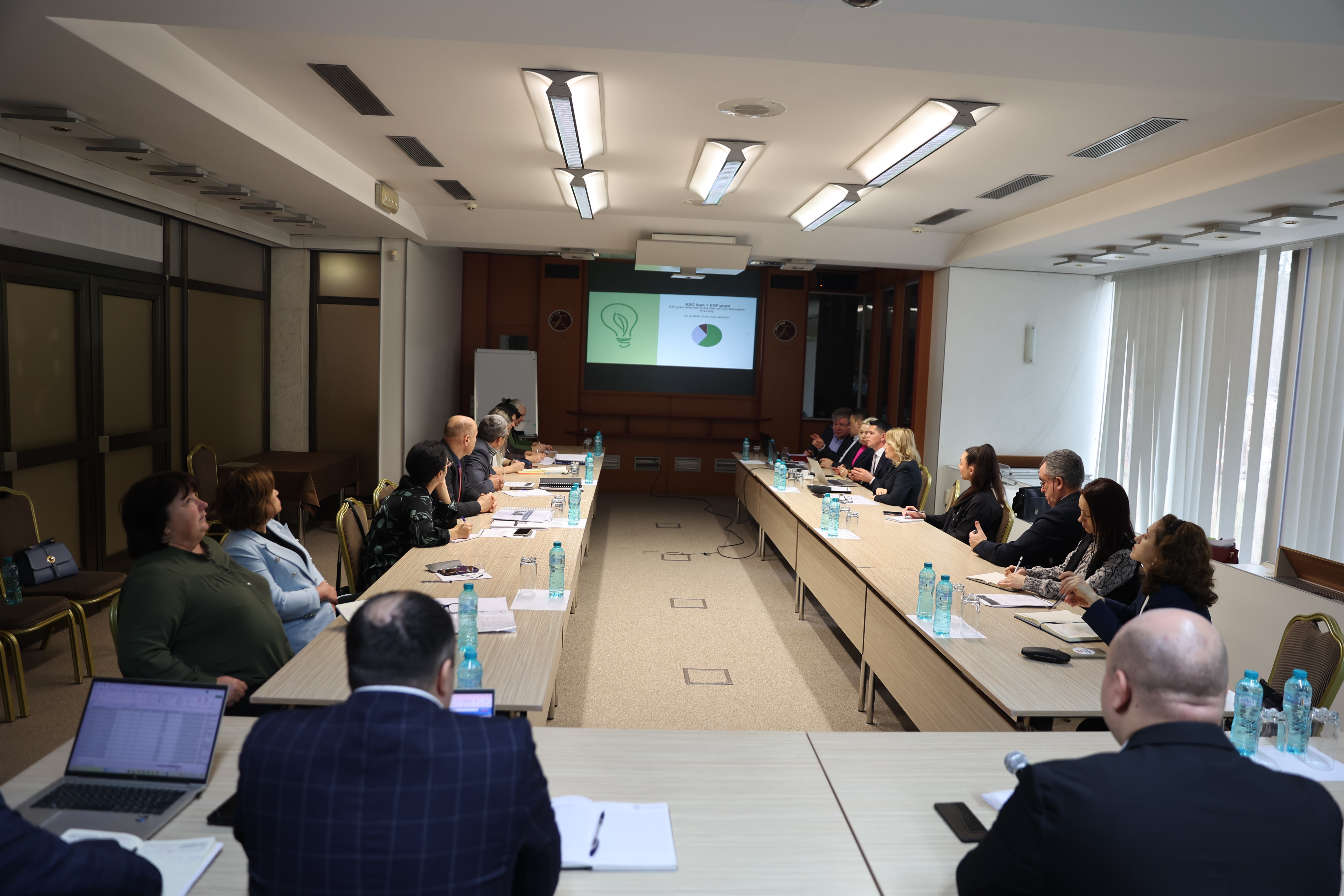
The Ministry of Energy participated in an informational seminar regarding the project "Energy Efficiency Rehabilitation of Educational Institutions in Local Communities," which brought together representatives from the Nordic Environment Finance Corporation (NEFCO), the Ministry of Energy, the National Center for Sustainable Energy (CNED), municipal leaders, and project implementers.
The event served as a platform to discuss the project's objectives, financing mechanisms, and the steps to be taken for the modernization of educational institutions in Anenii Noi, Cărbuna, Mândrești, and Zubrești through energy-efficient solutions.
The seminar included presentations from NEFCO, the Project Implementation Unit (PIU), and representatives from the beneficiary municipalities, highlighting the project's impact on local energy efficiency, financial sustainability, and the improvement of educational infrastructure.
Vitaly Artyushchenko, Chief Investment Advisor at NEFCO, emphasized the importance of this initiative for Moldovan communities, reiterating that, in addition to economic and environmental benefits, the project contributes to creating a more comfortable and safer educational environment, supporting the sustainable development of local communities and promoting social responsibility regarding energy resources.
"Collaboration with municipalities is very efficient, as it allows us to identify your direct needs, and resources are directed to effective projects. You will receive full support to smoothly go through all stages, from design to implementation, in a timely manner," concluded Vitaly Artyushchenko.
Carolina Novac, State Secretary of the Ministry of Energy, emphasized that the Ministry prioritizes energy efficiency and security by creating an organizational and financial framework for the energy rehabilitation of residential buildings. She also welcomed the intentions of this project, which includes accessible financing mechanisms, support for thermal insulation, modernization of heating systems, and the use of renewable sources. Investments in energy efficiency will reduce energy consumption, household bills, and environmental impact, while stimulating the economy and strengthening the country's energy security.
"It is essential to have a dedicated financing mechanism for energy efficiency projects in the residential sector, and one of the key advantages of this fund is that it offers an interest rate of only 3%, compared to 9% in local commercial banks. Additionally, beneficiaries have access to direct consultation from experts who support them in both the project writing process and subcontracting. Furthermore, NEFCO can be used as a blending finance tool, collaborating with E5P to provide access to the grant component for energy efficiency projects. These features make this financing mechanism much more accessible and attractive. The Energy Efficiency Fund for the Residential Sector in Moldova (FEERM) is a concrete example that allows us to focus on long-term priorities, such as improving energy efficiency in buildings, a sector that represents almost half of the country's energy consumption," emphasized Carolina Novac.
Sergei Faschevsky, Senior Advisor at Norsk Energi, provided details on Norwegian expertise in energy efficiency. He also mentioned that, in addition to the economic and environmental benefits, the project contributes to creating a more comfortable and safe educational environment, supporting sustainable development in local communities and promoting responsibility toward energy resources.
Irina Plis, representative of the Alliance for Energy Efficiency and Renewables (AEER), highlighted the organization's contribution to the development of the project at the local level, thus promoting policies and best practices in energy efficiency (EE), renewable energy sources (RES), climate, and the environment.
The event concluded with a constructive debate on responsibilities, reporting mechanisms, and coordination between the involved parties, where participants had the opportunity to discuss in an informal setting the project's impact and future prospects.
This energy efficiency initiative represents an essential step in Moldova's strategy to meet national energy efficiency targets, including carbon emission reduction and the modernization of educational infrastructure.
 [1]
[1]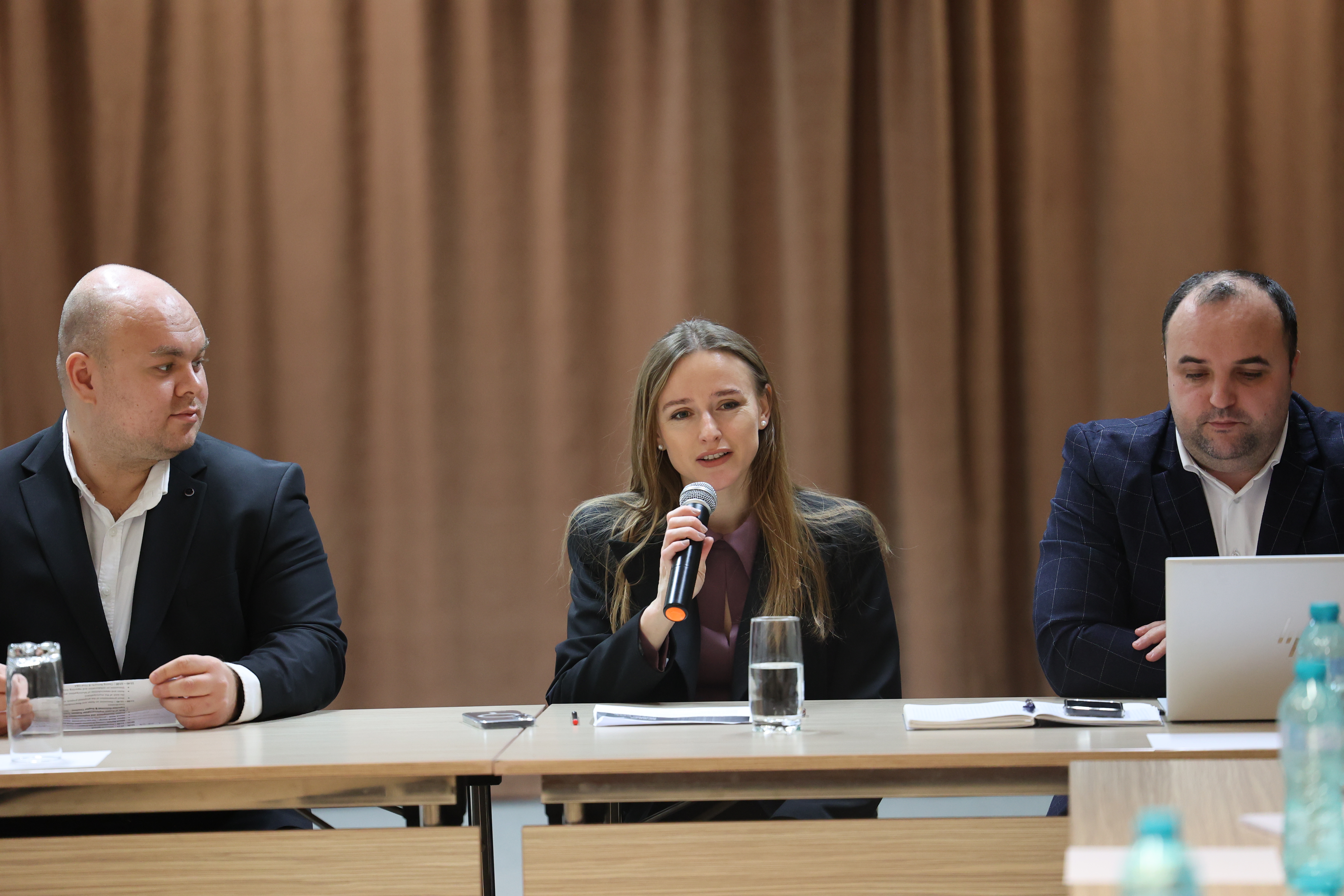 [2]
[2] [3]
[3] [4]
[4]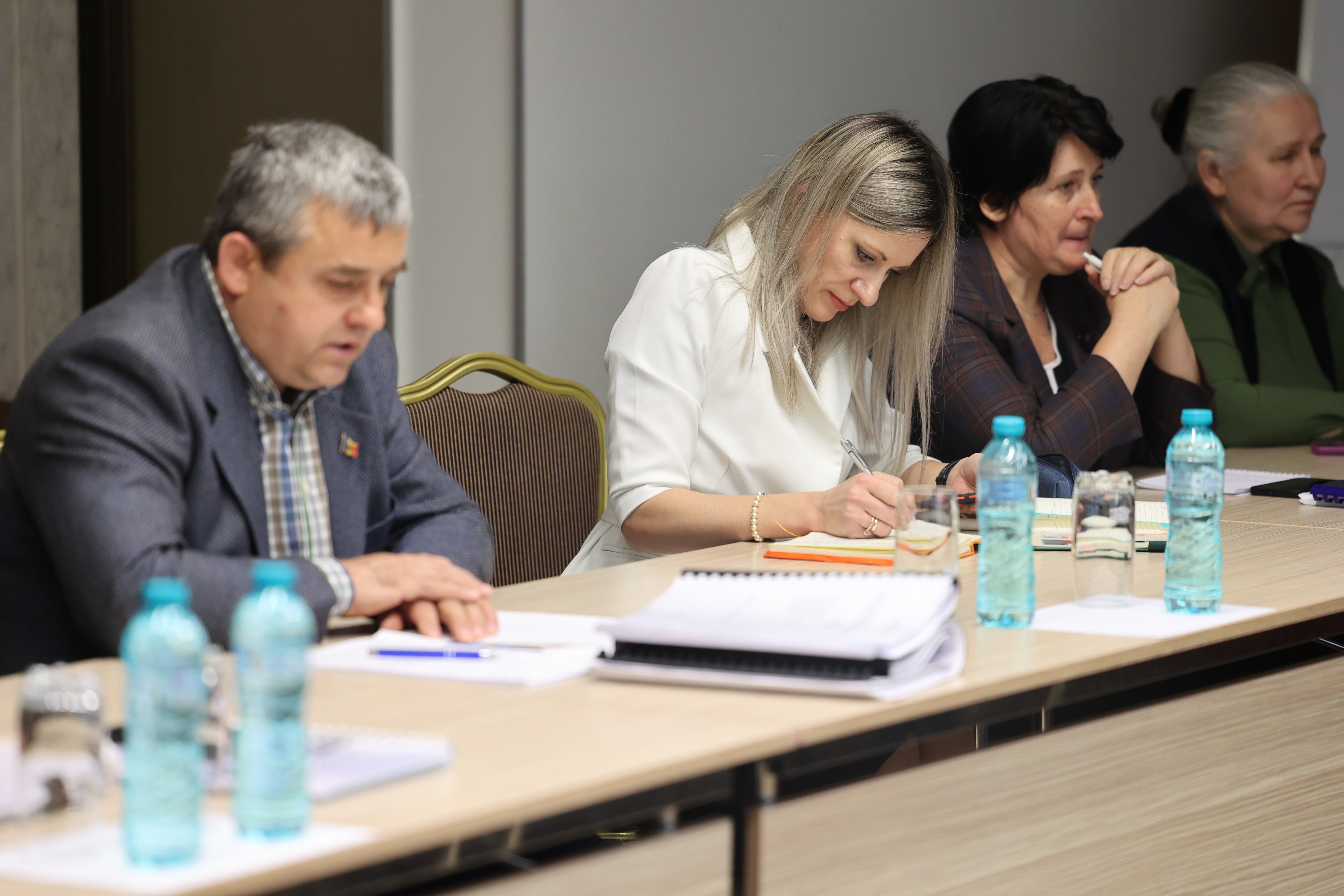 [5]
[5]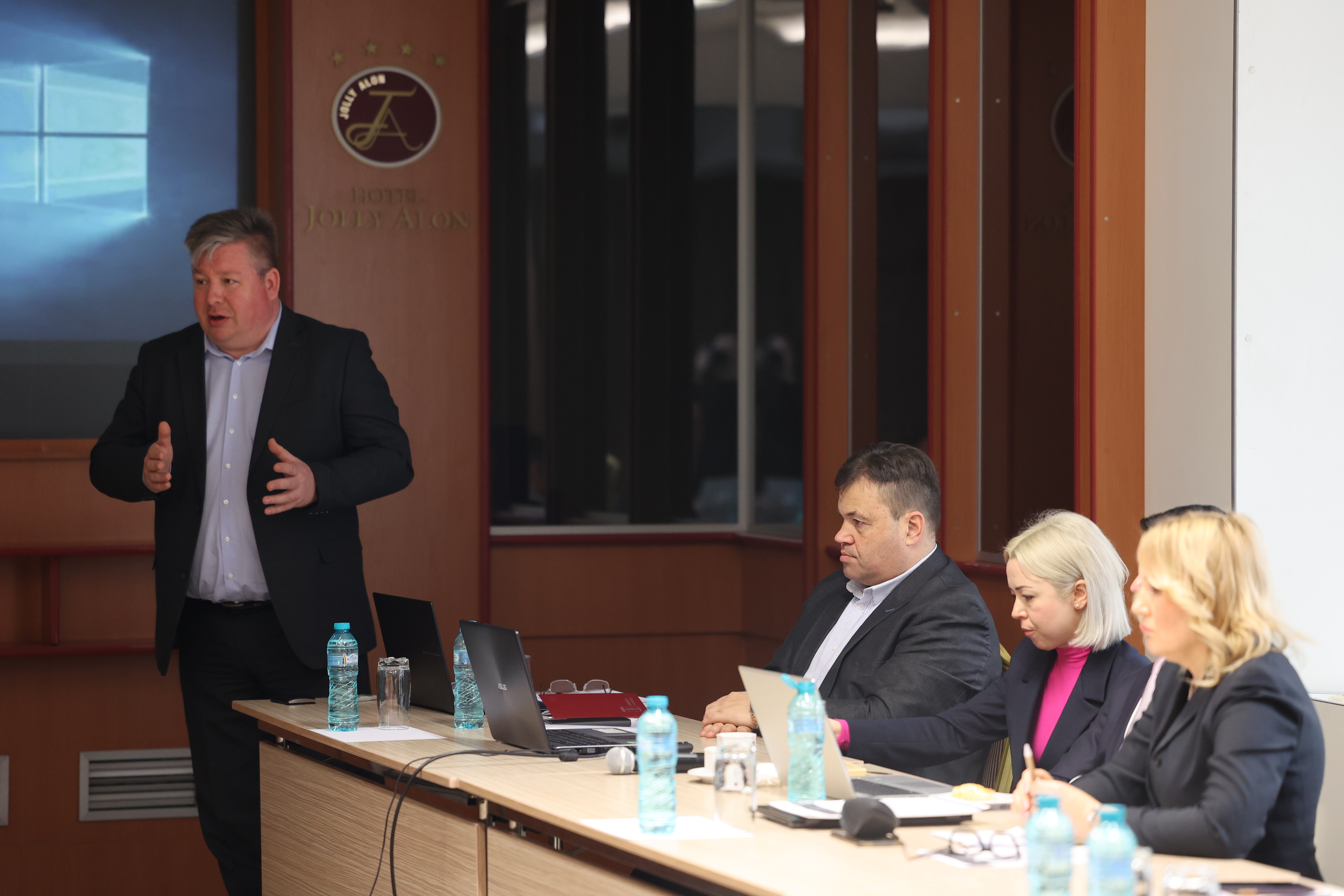 [6]
[6]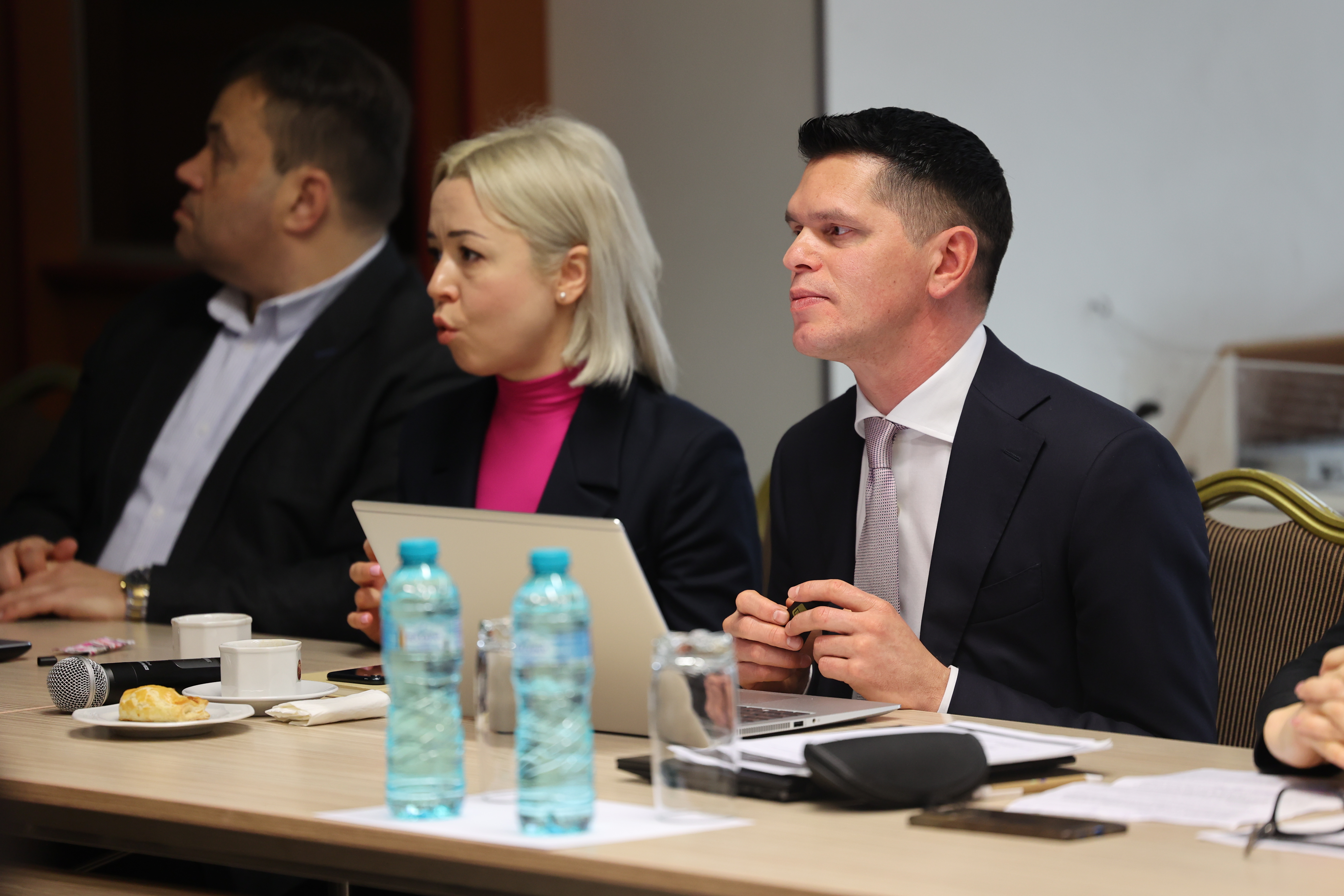 [7]
[7]