Municipal Leaders Trained in Project Proposal Development and Identification of Funding Sources for Energy Efficiency and Renewable Energy
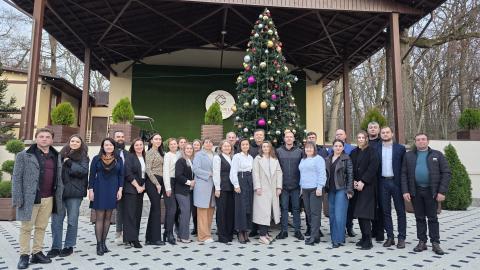
A new training workshop dedicated to representatives of local public administrations was organized to support the development of municipal projects in the fields of energy efficiency (EE) and renewable energy (RE). The goal of the training was to equip municipal leaders and administrative staff with essential skills necessary to develop strong project proposals and identify appropriate funding sources, thus facilitating the implementation of local energy investments.
The training brought together energy managers, mayors, municipal administrators, financial officers, and project managers involved in local energy initiatives, particularly representatives of municipalities that are signatories of the Covenant of Mayors for Climate and Energy (Covenant of Mayors – East).
The session covered fundamental concepts related to project proposal development and focused on the application of one of the most important project management tools – the Logical Framework Matrix, which provides a clear and verifiable structure for any initiative, linking problems, objectives, activities, results, indicators, and risks in a coherent and easily assessable manner.
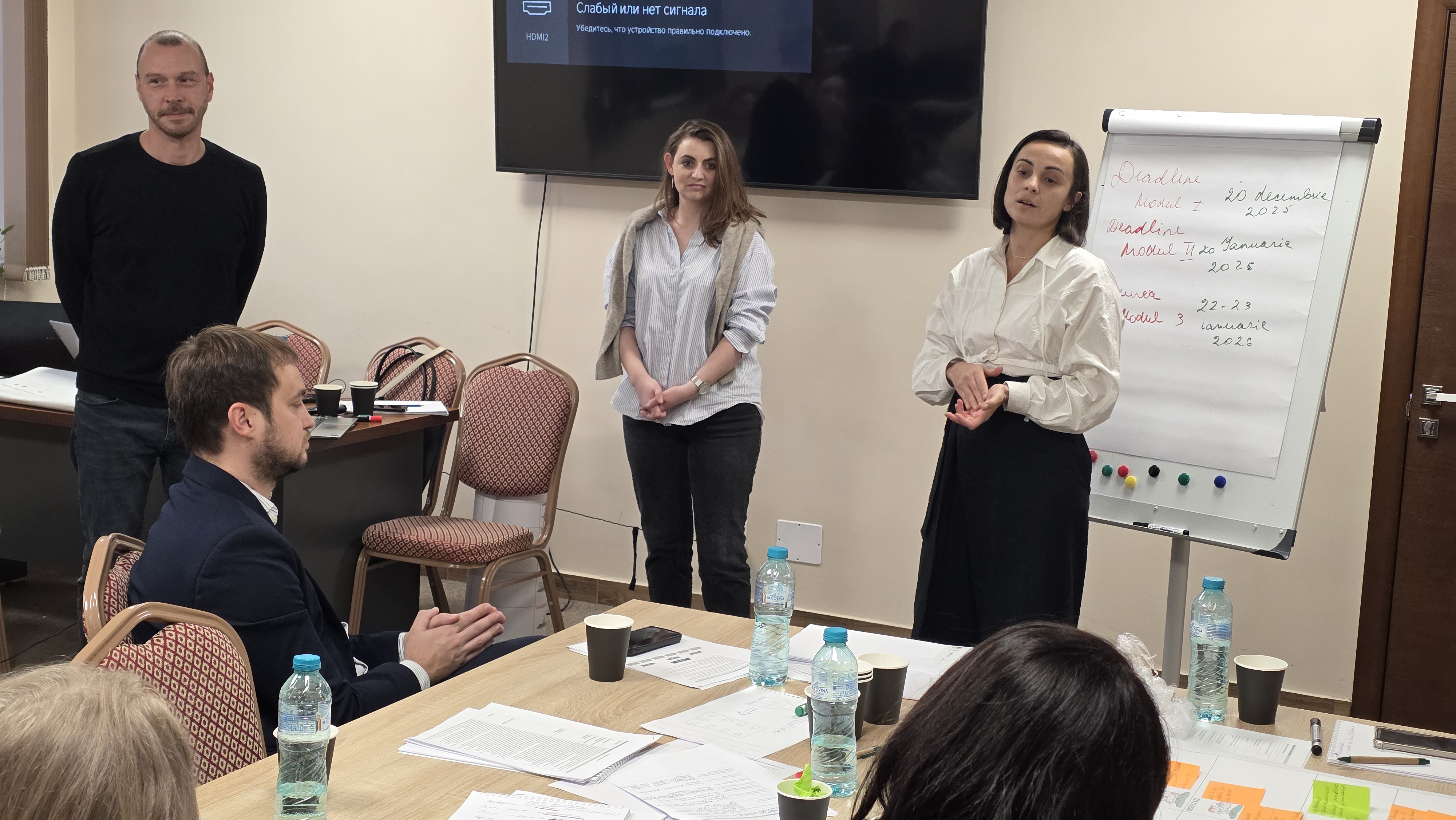
“In 2026, GIZ will launch a call for proposals for small demonstrative projects, where local leaders will have the opportunity to apply the knowledge gained throughout these three modules, including the training on the use of artificial intelligence. During Module 3, which will take place in January next year, we will examine the process of strengthening organizational structures for effective Project Implementation Units (PIUs),” said Marco Buechel, BMZ Component Manager.
During a practical teamwork exercise, participants used the “Solution Tree” tool, which helped identify the connections and dependencies between project components, structure and detail proposed solutions, enhance collaboration and decision-making within teams, set priorities, and analyze the feasibility of interventions.
The training agenda included presentations on programs and funding sources for municipal energy projects, financing options for energy efficiency projects, application procedures and compliance requirements, as well as case studies of successfully financed municipal EE/RE projects.
Participants learned the key components of an EE/RE project proposal; how to identify and evaluate suitable programs and funding sources for municipal energy projects; how to match local projects with appropriate financing opportunities; how to develop clear and compelling proposals that meet funders’ requirements; and how to successfully navigate application procedures and funding management.
They explored various financing mechanisms—grants, loans, and public-private partnerships—and gained practical tools for evaluating and selecting the best options for municipal projects.
The workshop was organized by the LEEN Moldova Program, implemented by AEER, with the support of the project “Energy Efficiency and Renewable Energy for Moldova” (E4M), financed by the German Federal Ministry for Economic Cooperation and Development (BMZ) and implemented by GIZ Moldova.
 [1]
[1]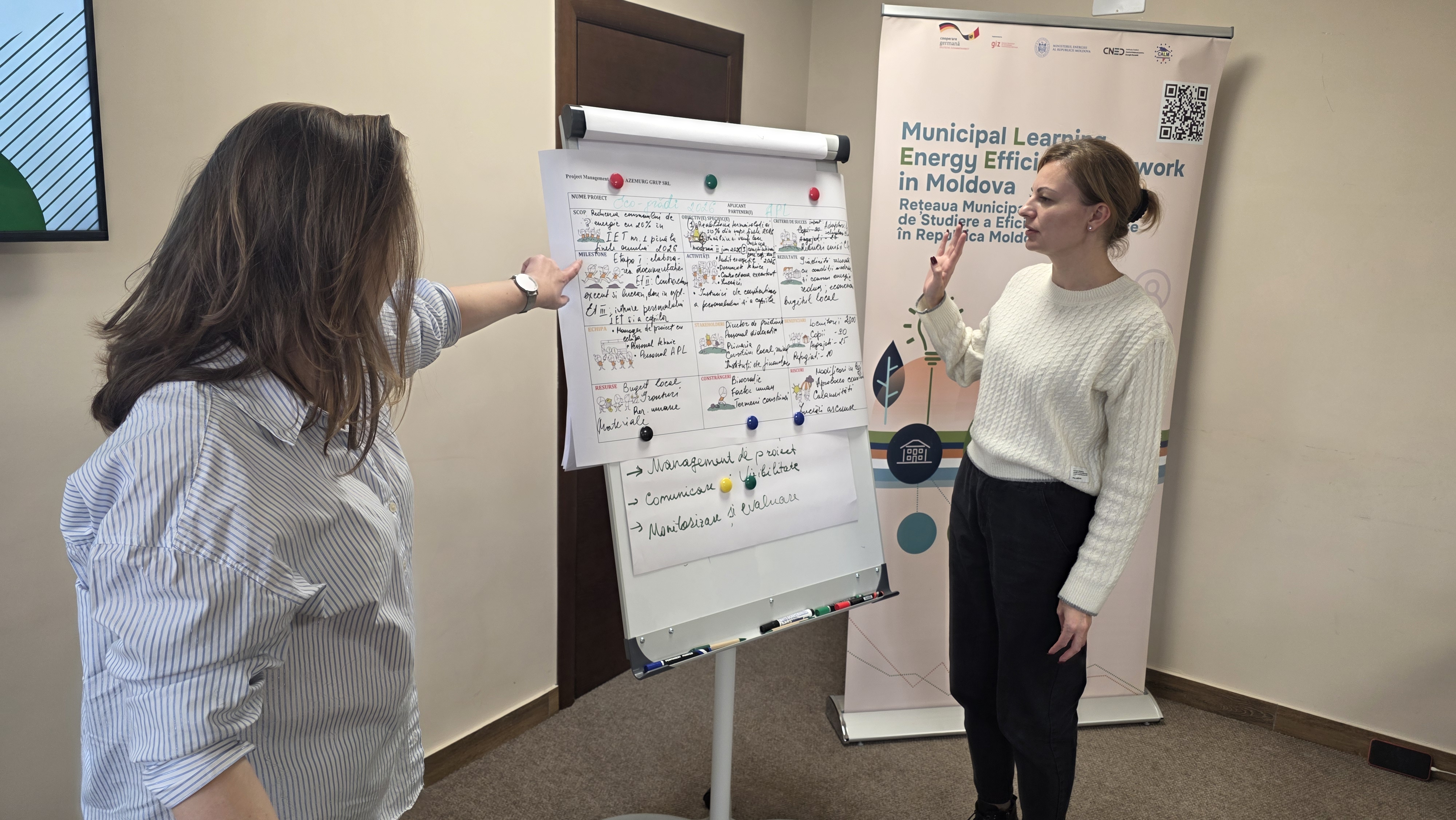 [2]
[2] [3]
[3]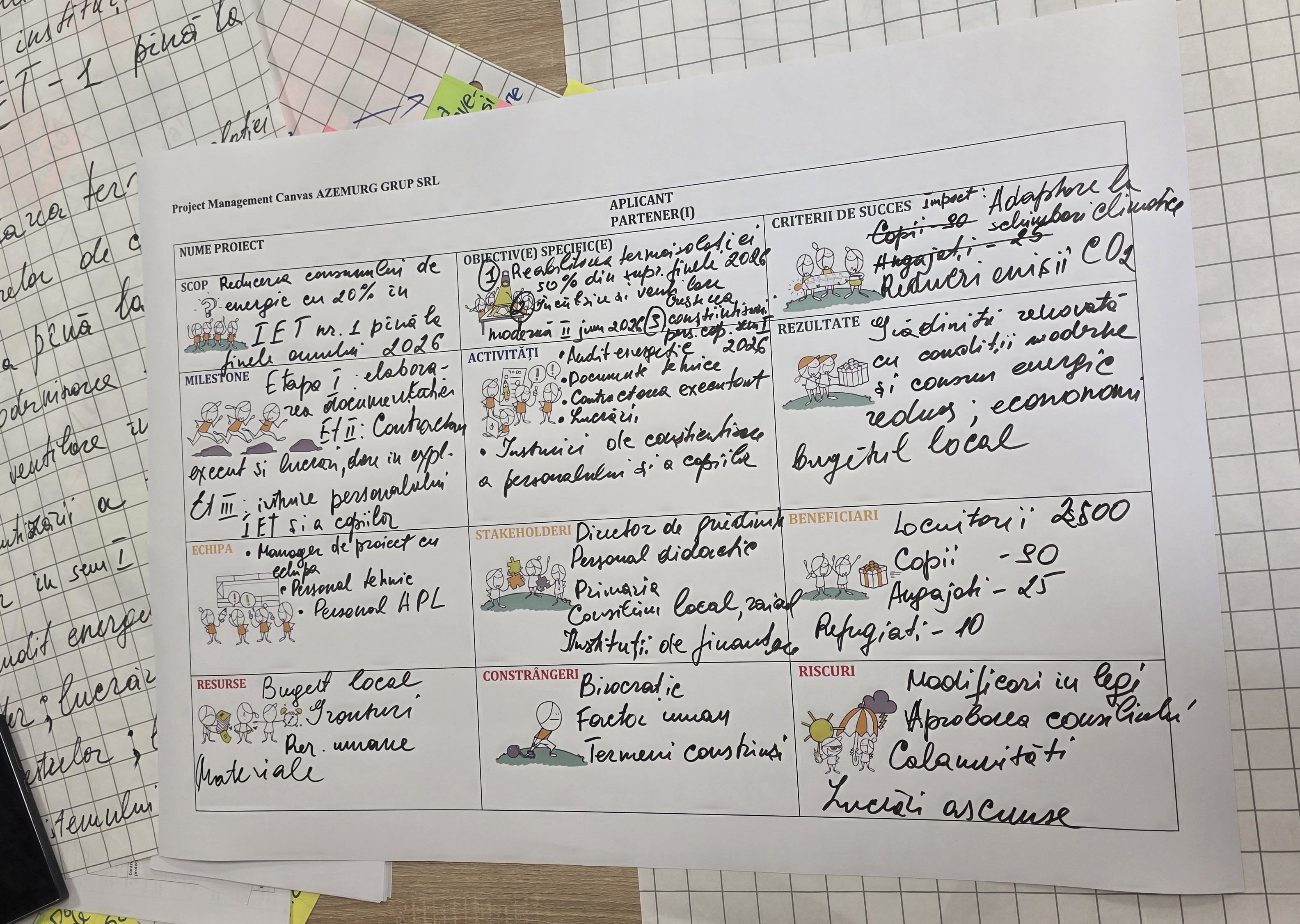 [4]
[4] [5]
[5] [6]
[6] [7]
[7]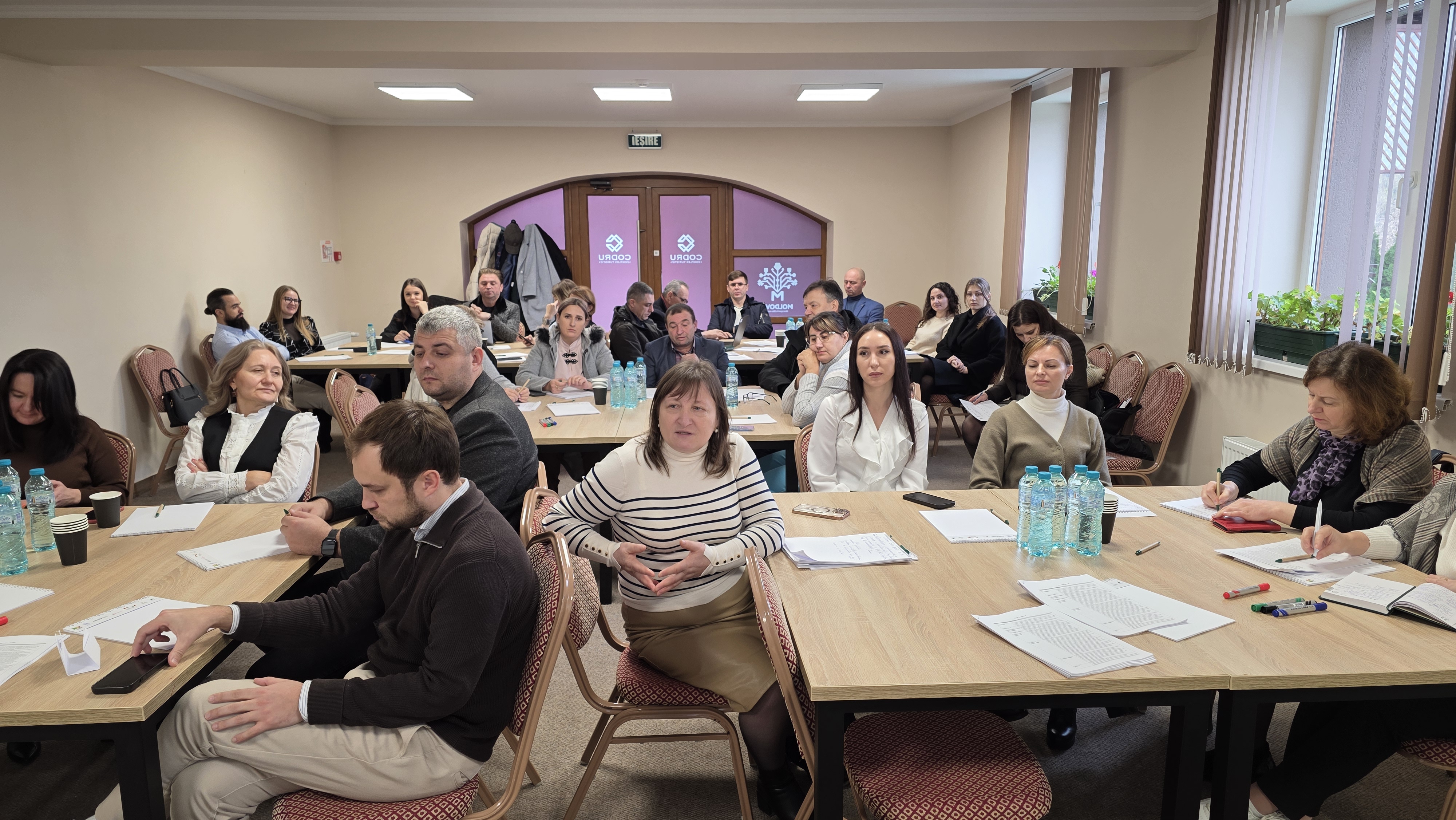 [8]
[8]