Minister of Energy Presented Transport Infrastructure Projects, the Backbone of the Green Transition, at the Conference Dedicated to the EU Enlargement Report 2025
- 328 reads
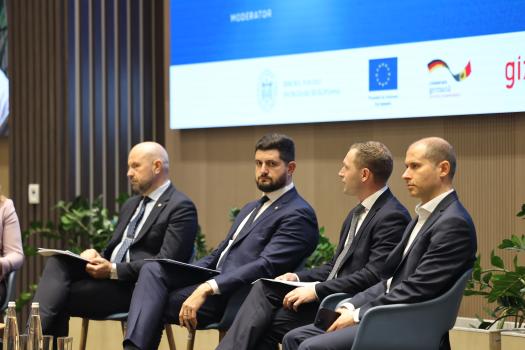
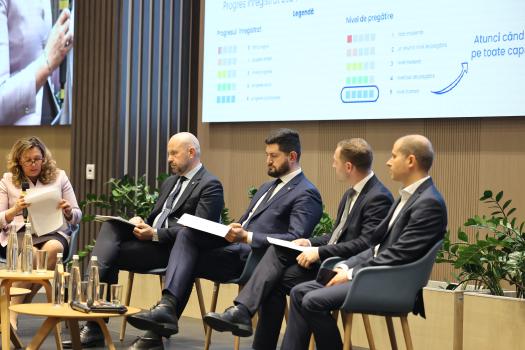
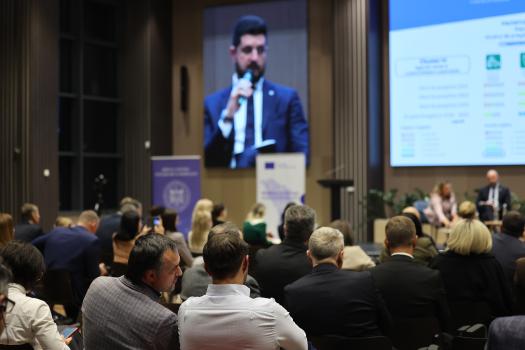
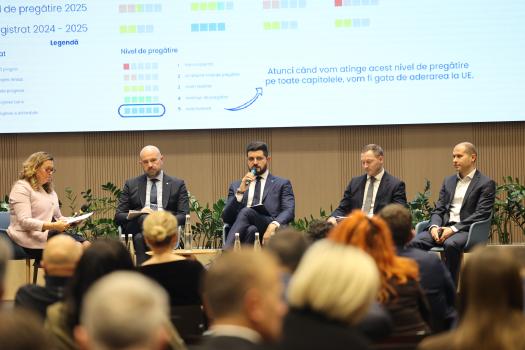
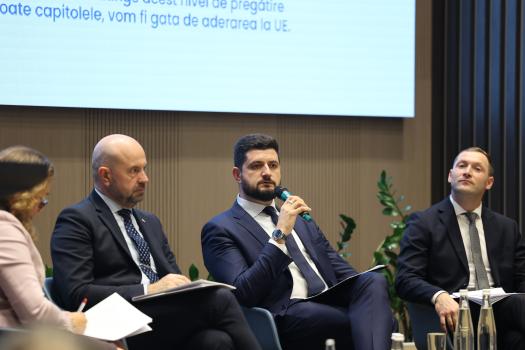
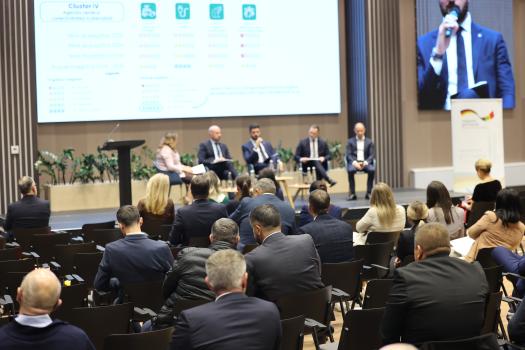
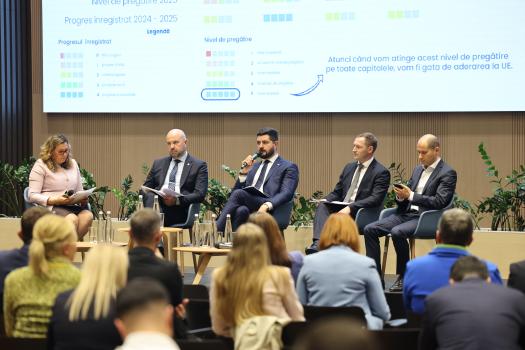
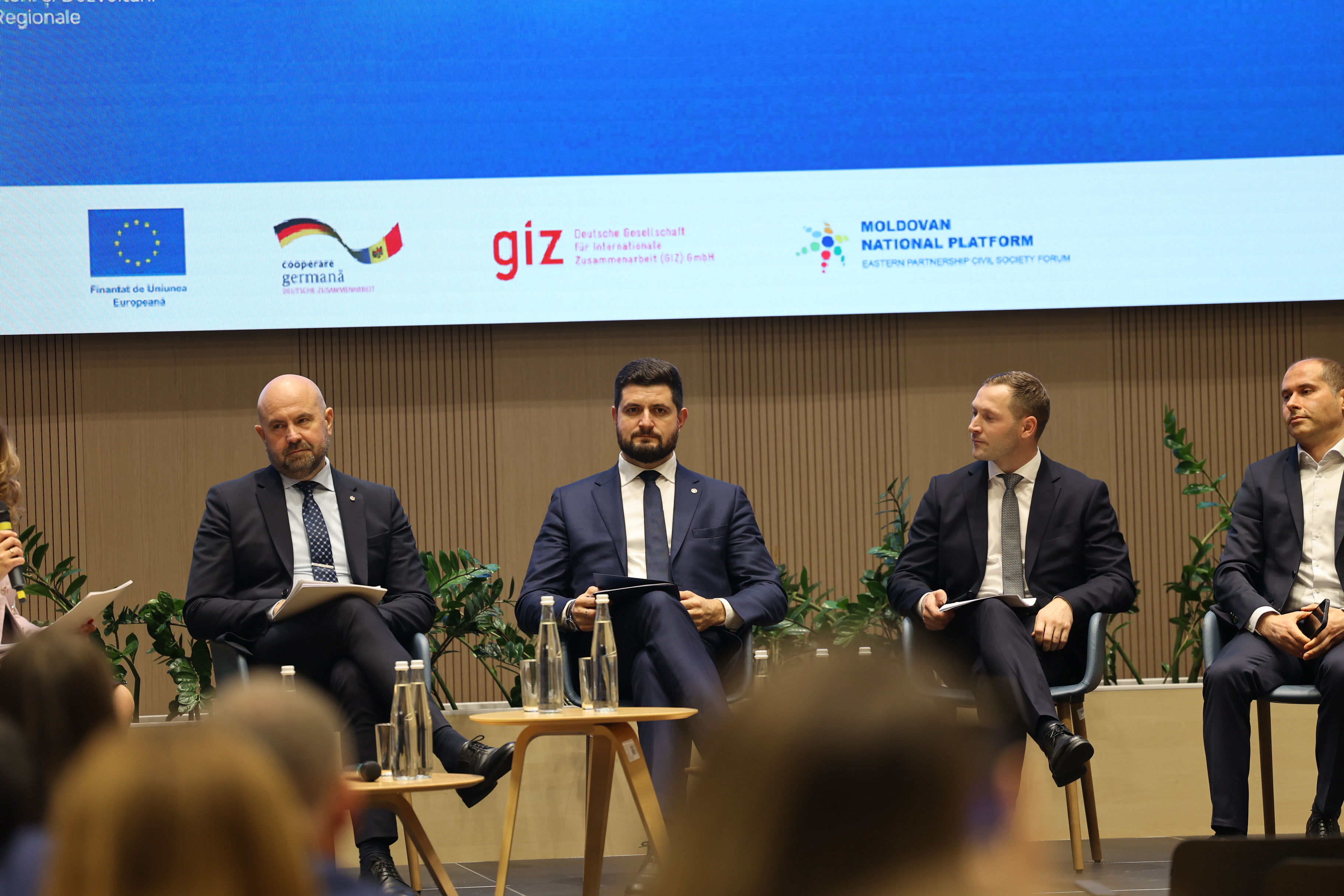
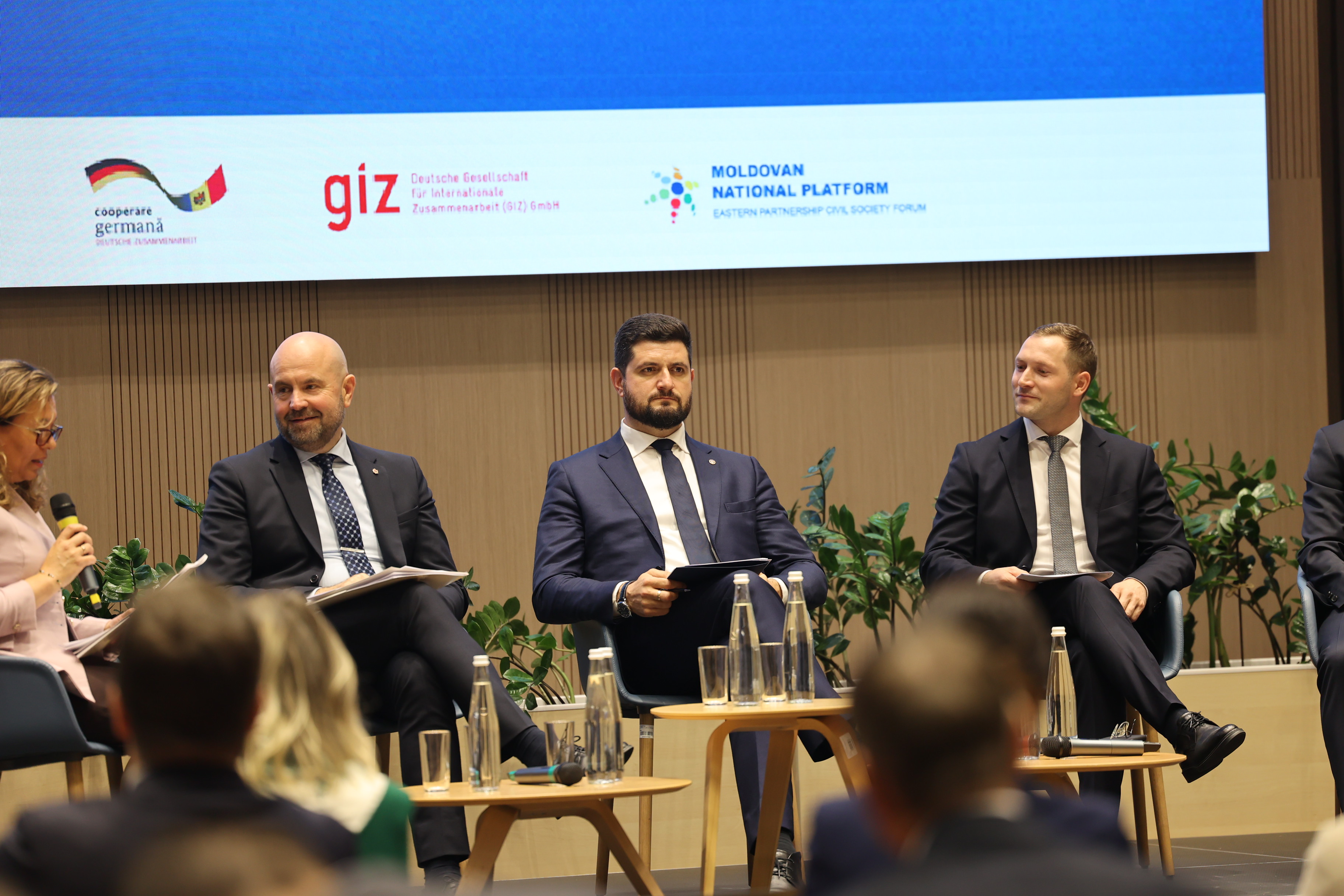
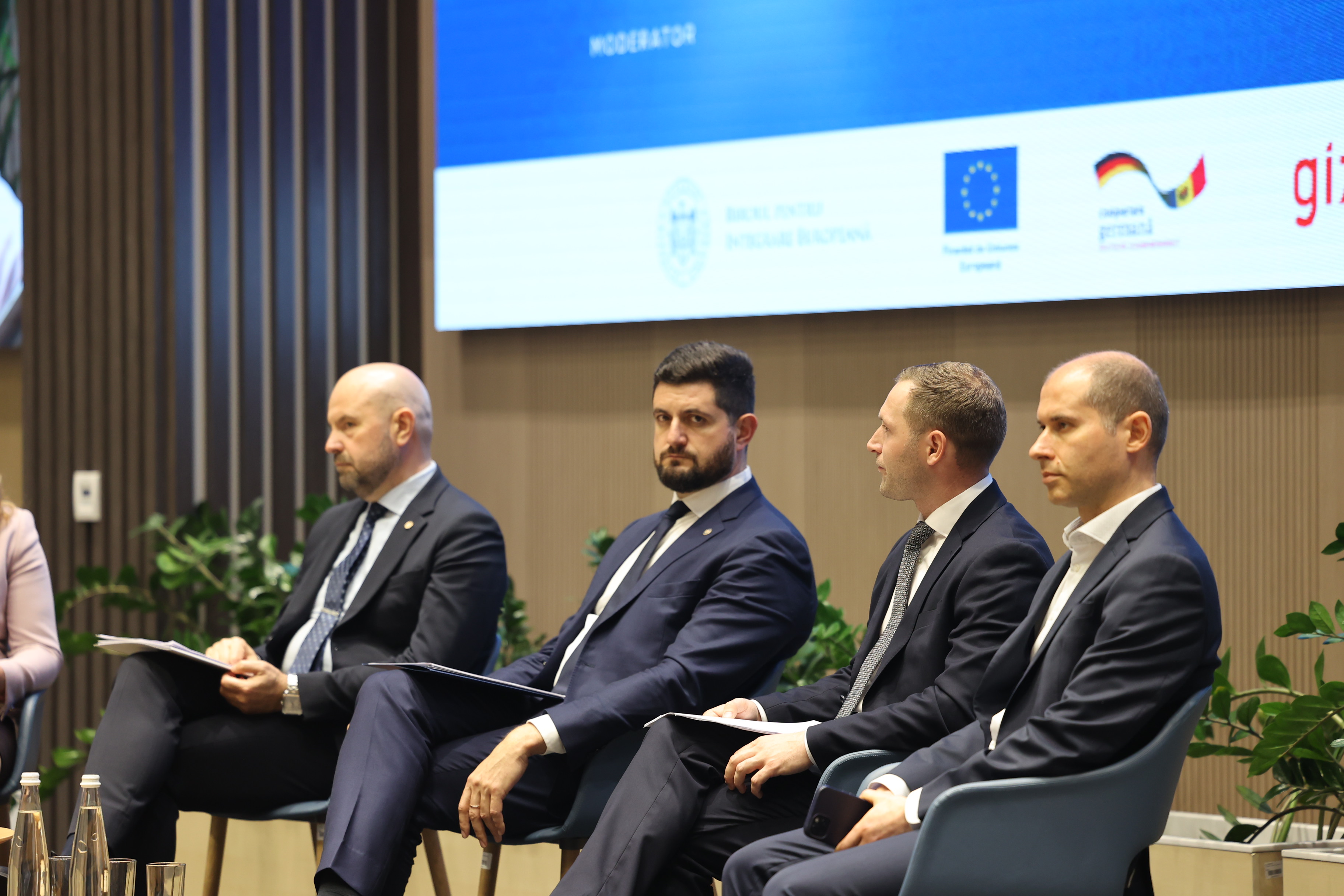
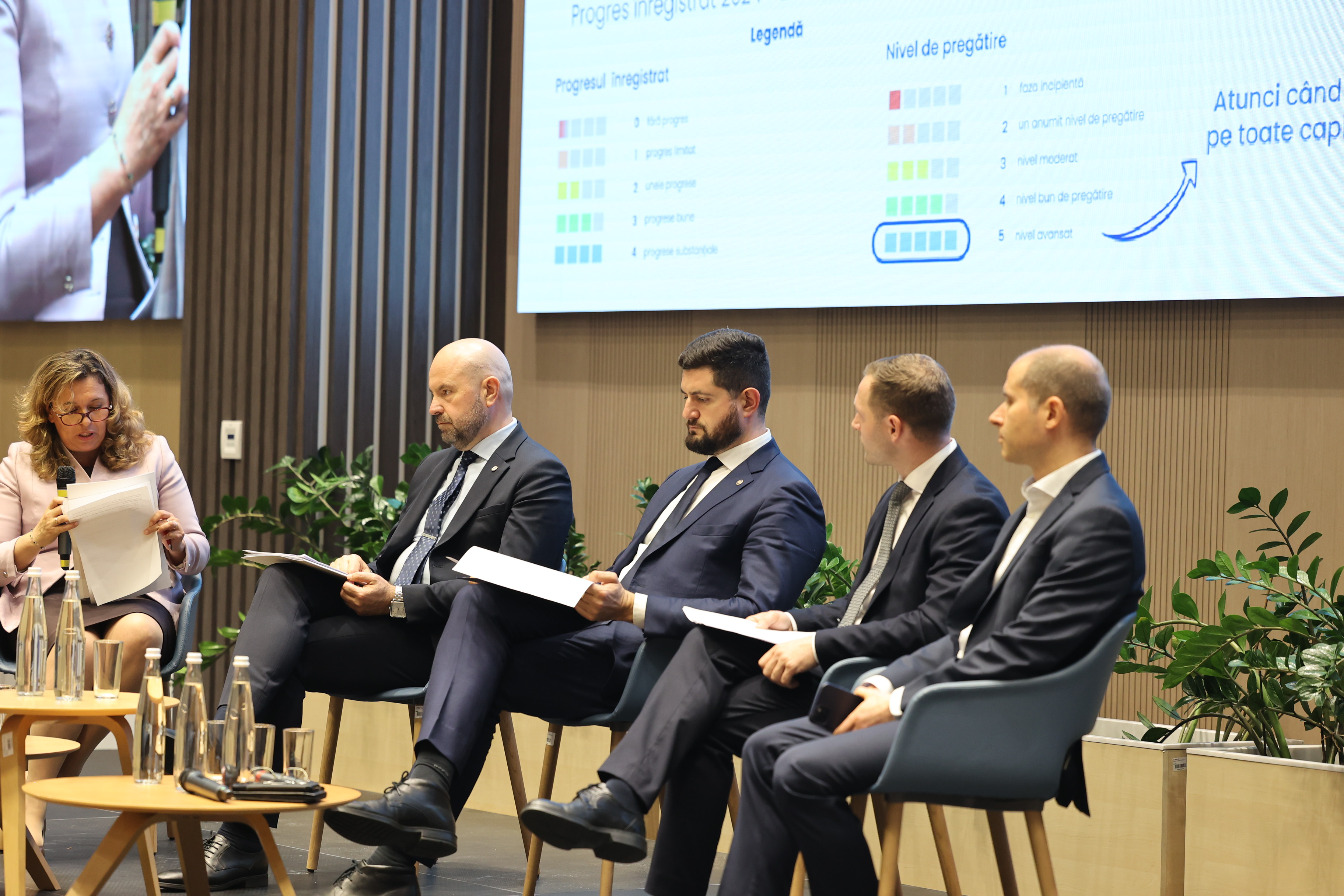
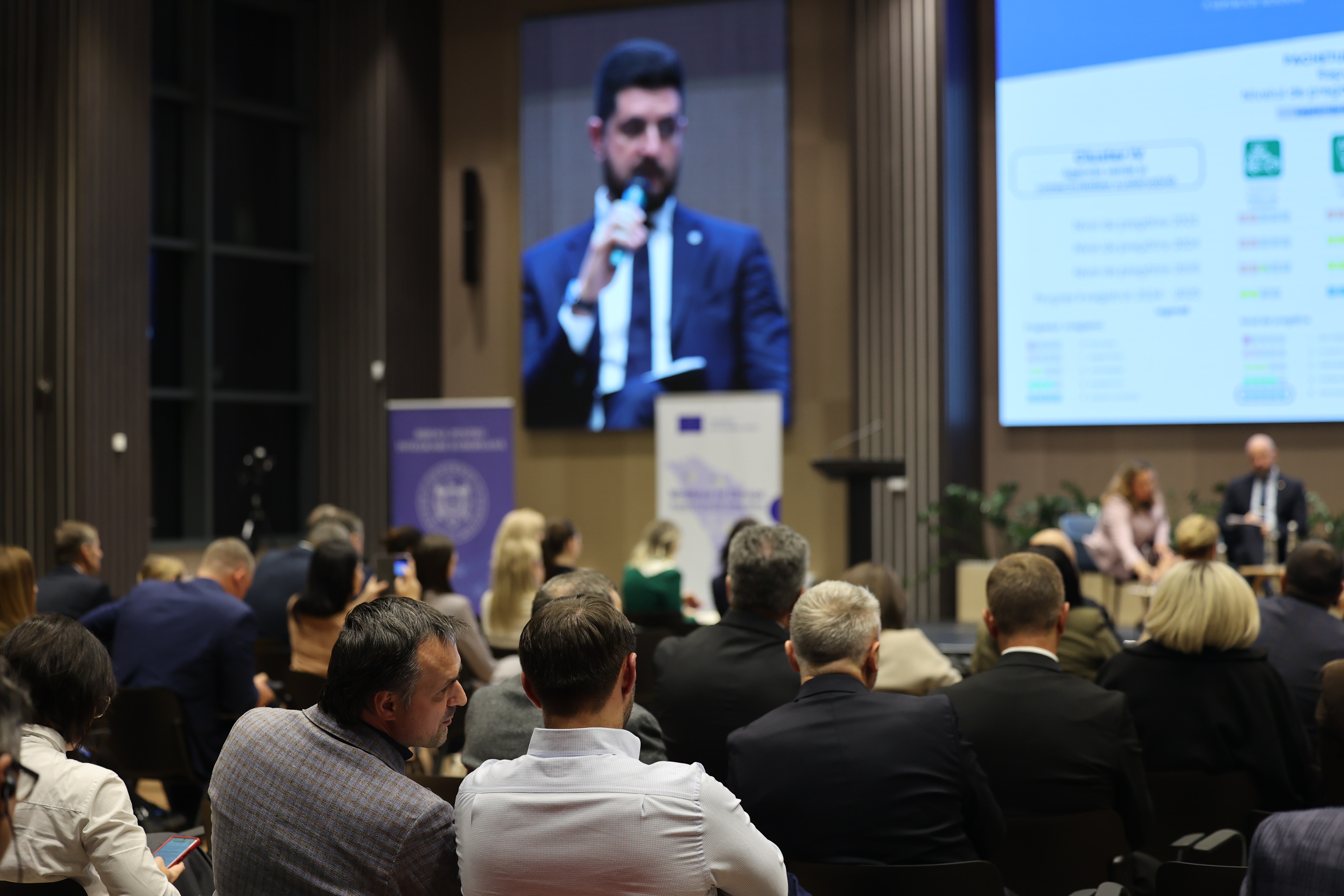
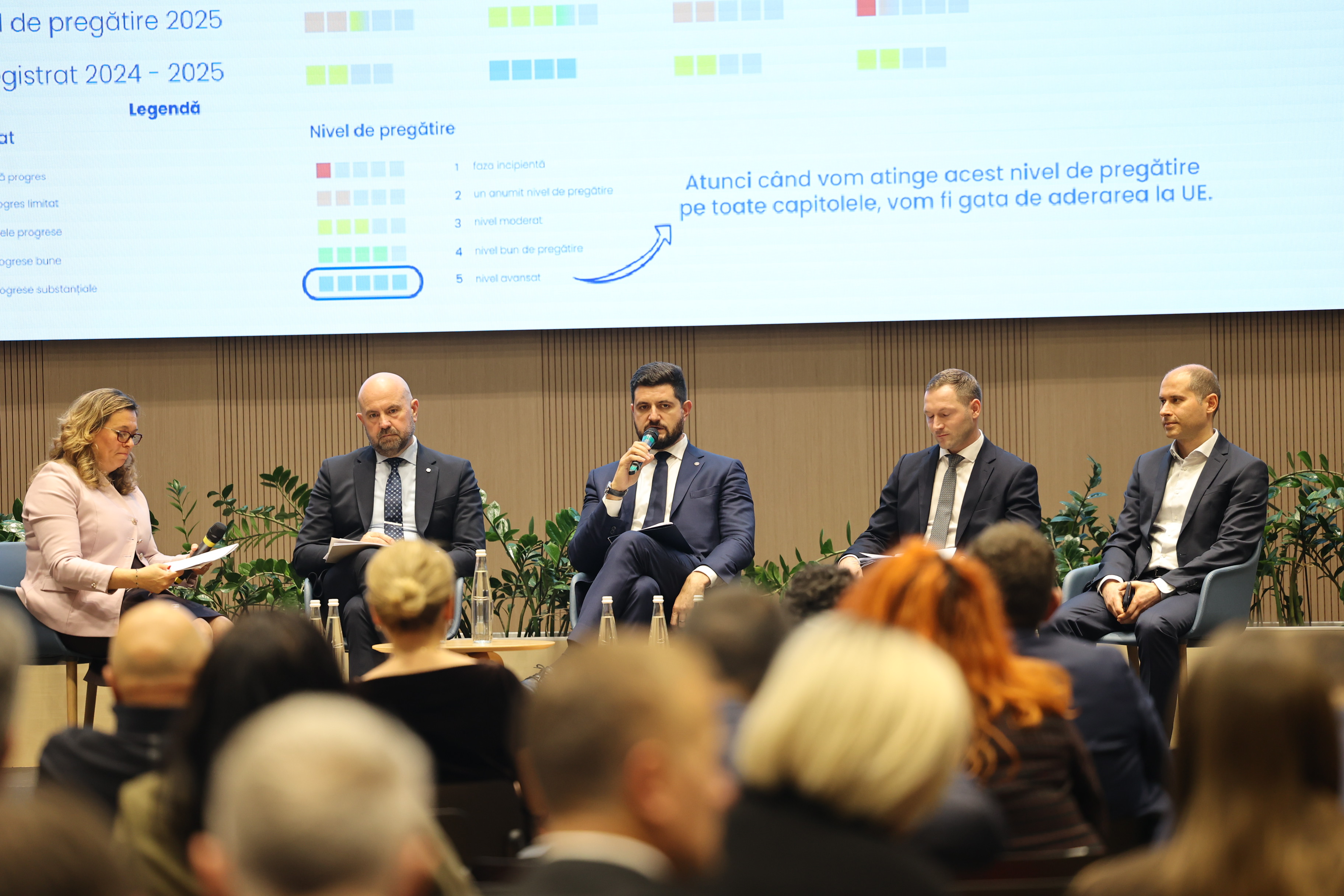
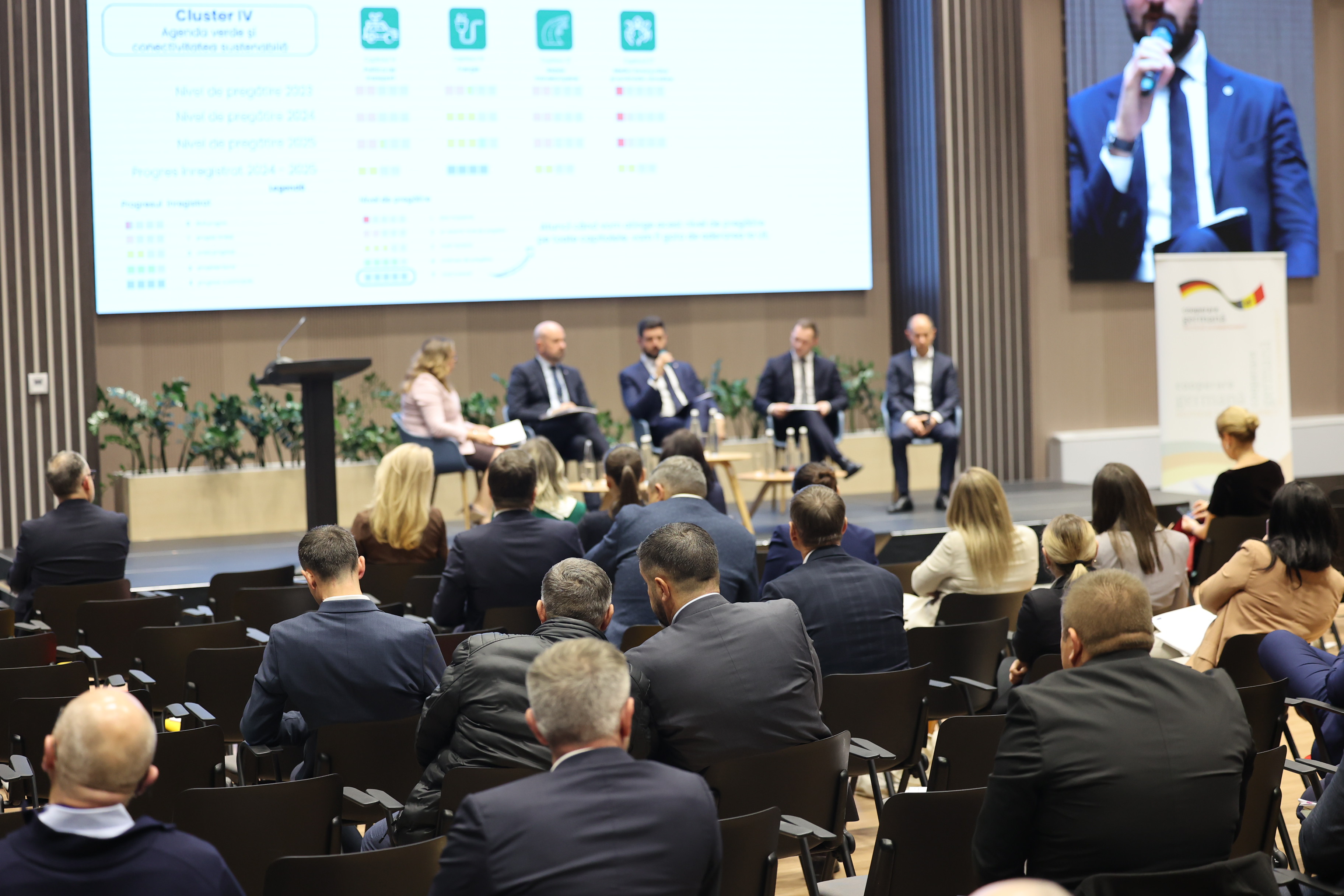
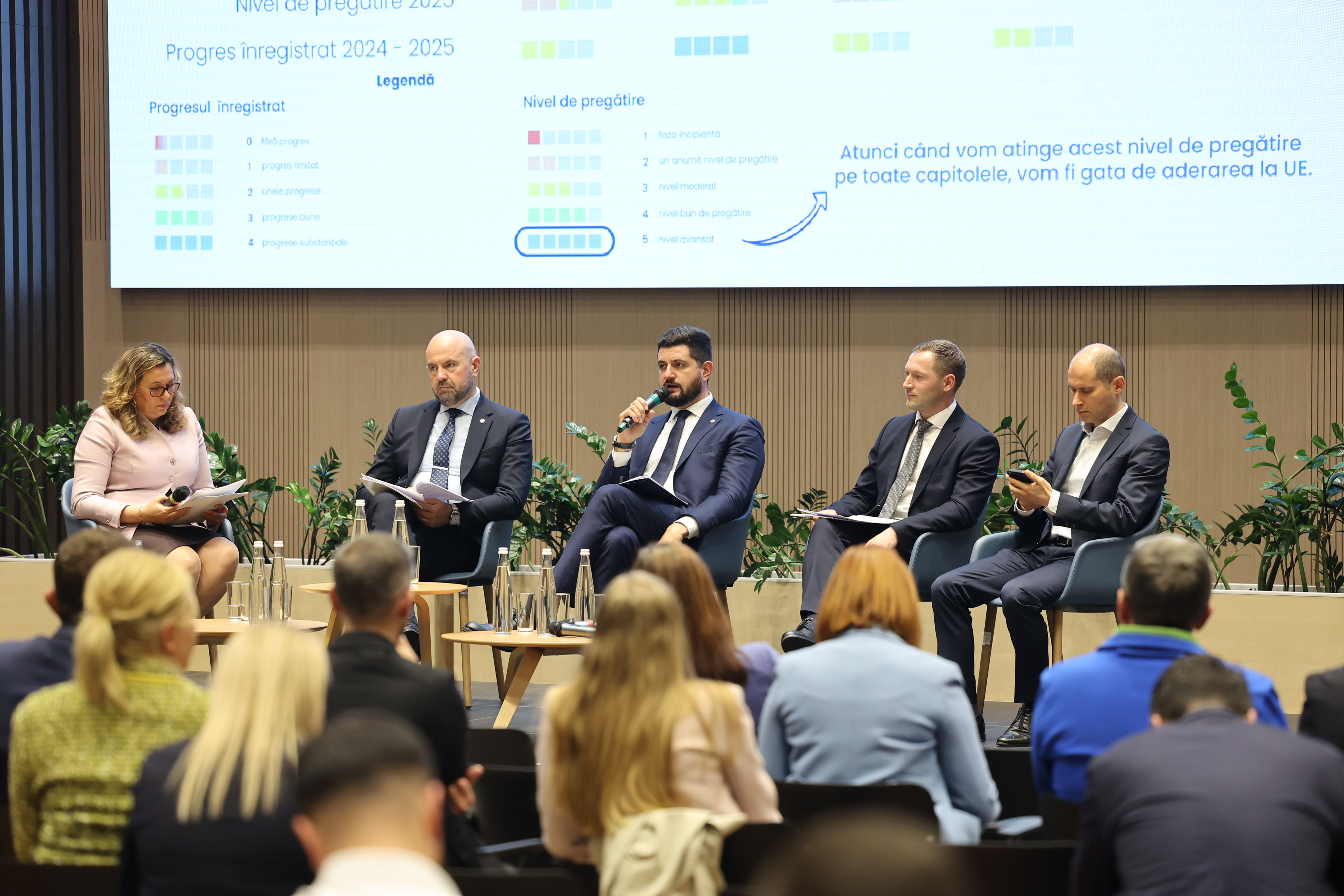
Chișinău, 11 November 2025 – The Minister of Energy, Dorin Junghietu, presented new infrastructure projects and their implementation stages during the conference “Enlargement Report 2025: Progress and Future Priorities of the Republic of Moldova,” organized in Chișinău with the support of the Delegation of the European Union to the Republic of Moldova. The event brought together representatives of the Government, Parliament, diplomatic corps, European institutions, and international development partners.
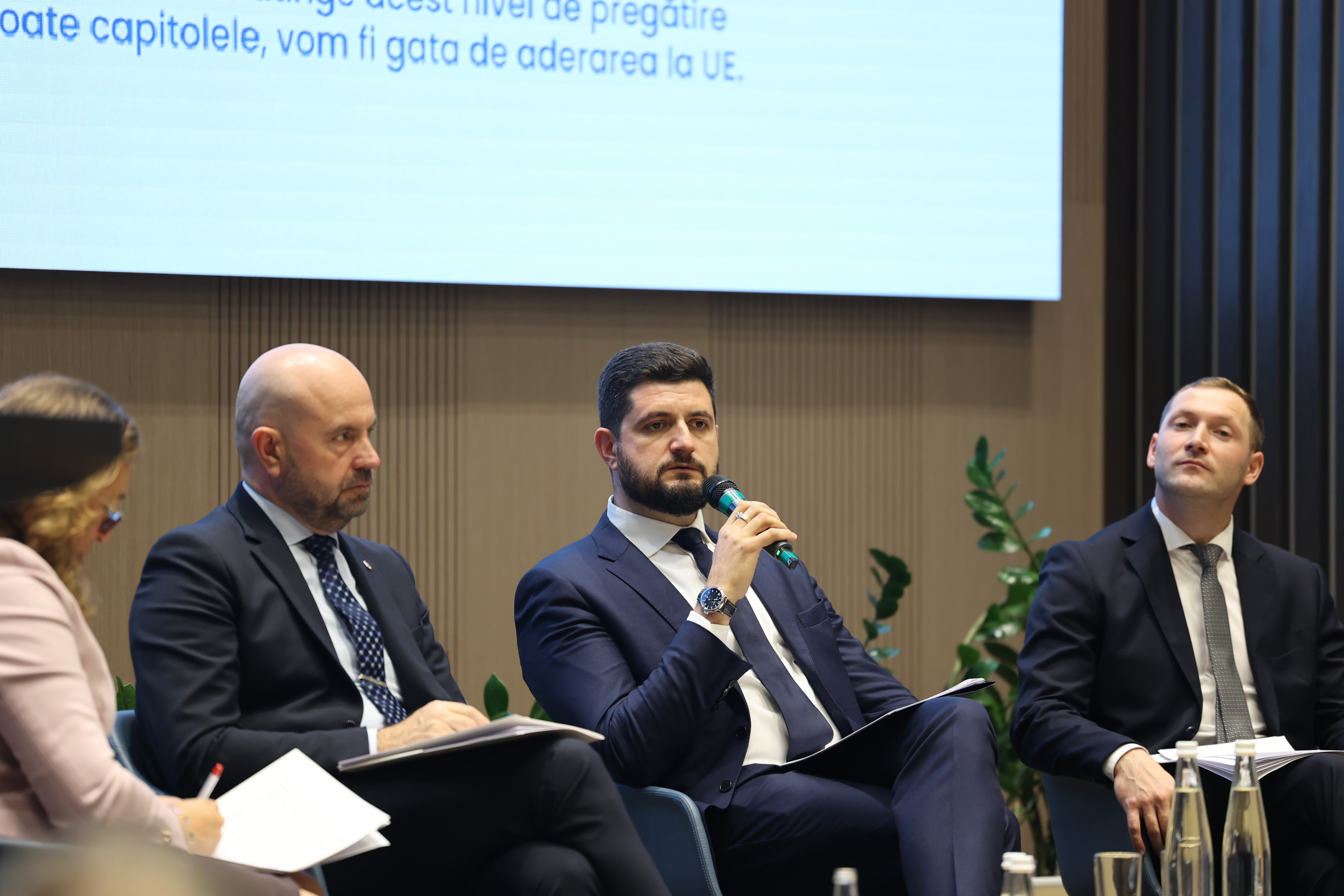
During the discussion panel “Green Agenda and Sustainable Connectivity (Cluster IV),” Dorin Junghietu emphasized the role of energy infrastructure in the green transition process, noting that it is the central element ensuring the security and sustainability of the energy system. “At the heart of the green transition lies the infrastructure for transmission, distribution, and supply of electricity. We are promoting the electrification of transport, including trains and urban buses, to reduce environmental impact,” the minister said.
One of the main pillars of the green transition is the ten-year development plan for the electricity transmission system, which includes three essential interconnections with Romania. The Vulcănești–Chișinău power line project, also known as the energy independence line, is nearing completion. The foundations for the pylons are ready, and construction at the substations in Chișinău and Vulcănești has reached 75% and 60%, respectively. “With steady progress, we are approaching the completion of this stage,” stated Minister Dorin Junghietu.
The official also mentioned the progress achieved on the Bălți–Suceava interconnector, which will allow for the integration of a larger volume of renewable energy into the grid. “On the Romanian side, the design phase is completed, and in the Republic of Moldova, bids for the tender have been received. We expect to select the winner by the end of the year, and construction will begin in early 2026. The line could be completed by 2027,” the minister explained.
Likewise, two other strategic projects—the Strășeni–Gutinaș interconnector, fully financed by the U.S. Government, and the Bălți–Dnestrovsk line with Ukraine—are in advanced planning stages and are expected to be implemented by 2030. “These interconnections will allow us broader integration with the European electricity system and, in the medium term, bring us closer to full membership in the ENTSO-E network, alongside Ukraine,” the Minister of Energy stressed.
The minister added that although fossil fuels will continue to be used in electricity generation, including for system balancing, the Republic of Moldova must accelerate its transition to renewable energy sources, in line with the National Integrated Energy and Climate Plan and the National Energy Strategy.
The European Commission’s Enlargement Report 2025, presented during the conference, confirms the progress made by the Republic of Moldova in the energy sector—especially in the electricity and gas markets—following the adoption of the National Energy and Climate Plan and the Electricity Law. The document also highlights efforts to diversify supply sources, reduce energy dependency, launch tenders for renewable energy projects, and operate the National Center for Sustainable Energy.
At the same time, the European Commission notes that to ensure full integration into the EU’s internal energy market, the Republic of Moldova must continue investments in infrastructure, strengthen balancing capabilities, and accelerate the implementation of interconnection projects with the European network.
The conference “Enlargement Report 2025: Progress and Future Priorities of the Republic of Moldova” served as an important platform for dialogue between national authorities, European institutions, and development partners, aimed at supporting the country’s European path and strengthening reforms in energy, the economy, and the environment.
Images