Energy Ministry builds smart grid with UNDP support (Article)
- 604 reads


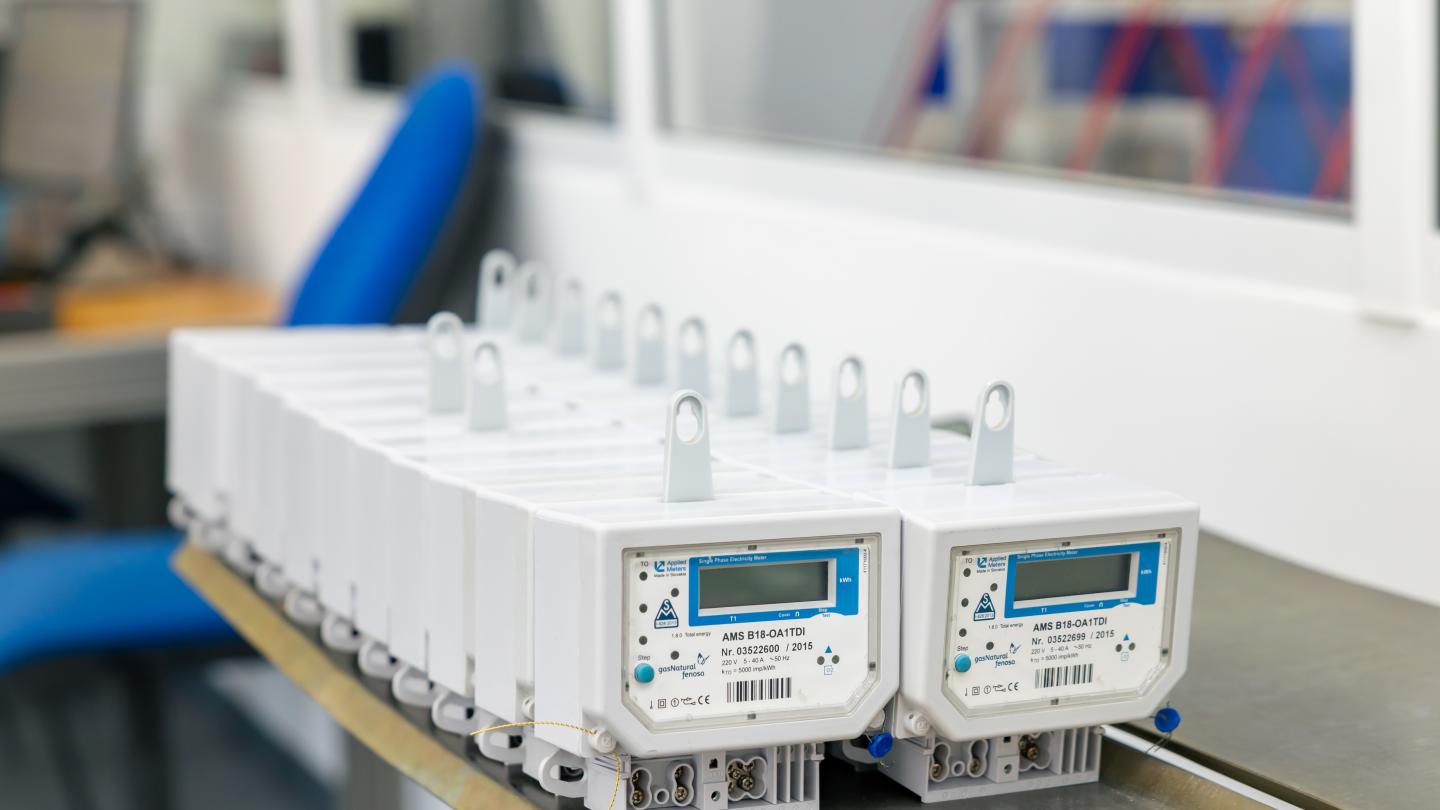
A first batch of smart meters is currently being installed on end-users in several localities as part of a pilot program carried out by the Ministry of Energy with the support of UNDP Moldova. Later, the program will be expanded, thanks to the financial support of the Italian Government through UNDP.
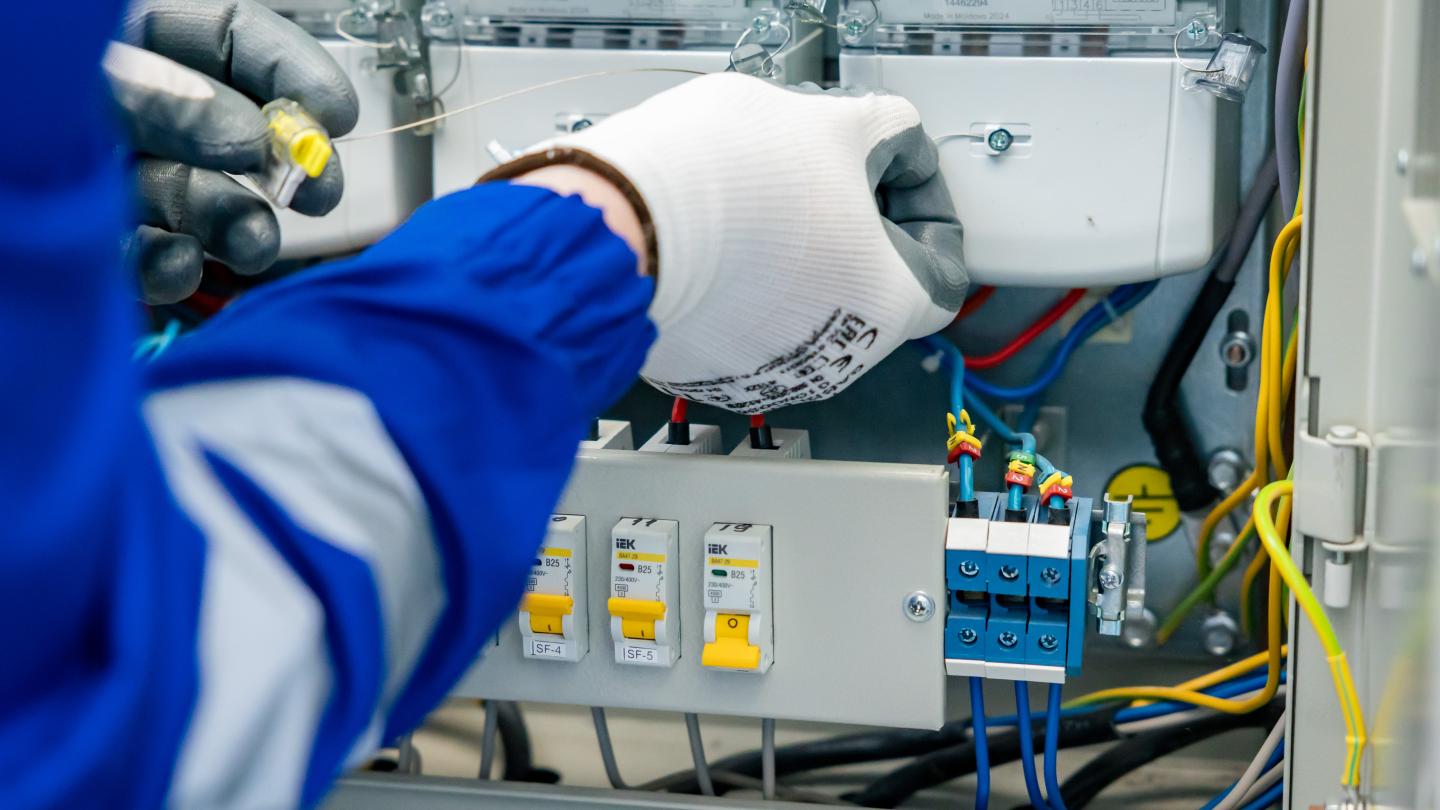
Some of the meters are installed by Premier Energy Distribution in Chisinau municipality and six suburbs, and some by RED Nord in the northern region, including the suburb of Balti. The meters are installed in households selected according to criteria of geographical location, population density, level of energy vulnerability, socio-economic status, availability of infrastructure, etc.
The smart meters will measure consumption at short intervals, measure energy quality parameters and transmit the data automatically, securely and error-free to the energy supplier, without the need for distribution company employees to physically read the meters. At the same time, the supplier will bill actual energy consumption, not estimated consumption, and the distributor will be able to identify accidents more quickly and reduce incident response times.
"This pilot program will contribute to the digitization of the energy sector, with smart meters being a necessary step for the introduction of differentiated electricity tariffs according to the time of consumption. Smart grids will allow better consumption management and the integration of more locally produced renewable energy, and ultimately reduce energy dependency and greenhouse gas emissions," said Cristina Pereteatcu, State Secretary of the Ministry of Energy.
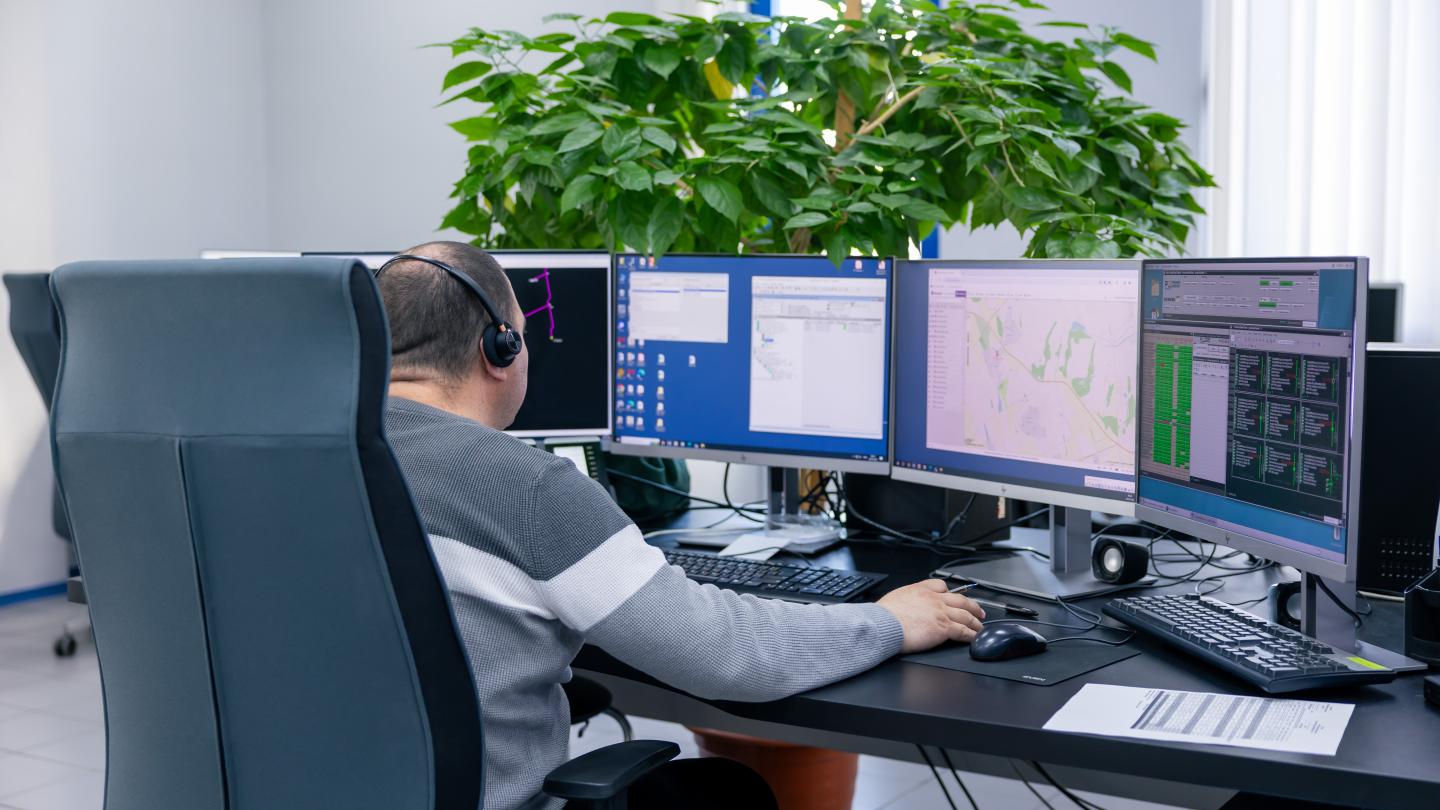
For data transmission to the central unit, the smart metering system will use PLC (Power Line Communication) technology, which uses power lines for data transmission and the services of electronic communication operators. The centralized data will be transmitted to a control system where it will be used to analyze the evolution of consumer behavior in relation to energy prices and develop informed policies.
According to Sergiu Petrea, director of Premier Energy Distribution, "these meters provide the distribution operator with technical information that will allow better monitoring of energy flows, identification of commercial losses, improvement of the quality of the distribution services provided, reduction of some operational costs with an impact on electricity distribution tariffs".
The smart data logging system involves not only access to accurate data, but also the monitoring of power quality parameters, such as voltage, current, other necessary data that the customer can view through an app at any time, explains Viorel Corbu, technical director of RED Nord.
In the Bălțiul Nou neighborhood, RED Nord has combined the installation of smart meters with works to replace overhead power lines with underground networks, which contribute to increased security and protection of consumers.
With smart grids, customers have greater freedom in choosing their supply offer and can opt for flexible tariffs, as the smart meter allows the storage of six types of tariffs. This will allow consumers to use their appliances at times when energy is cheaper. Smart appliances will be able to automatically "read" the tariffs from the meter and decide when is the most convenient time to switch on. Differentiated tariffs for consumers with smart meters could be part of another UNDP initiative in Moldova - the Innovative Energy Test Spaces or Sandbox. Differentiated tariffs could thus be applied by way of derogation from existing legislation to study consumer behavior before rolling out the new tariff system nationwide.
The new pricing system will be extended nationwide.
The data gathered under the program will feed into the development of new energy efficiency policies. The UNDP and the EU are testing several technical solutions that could later be rolled out across the country, including a pilot program to install smart meters and the "Rabla for appliances" program to replace energy-guzzling appliances with energy-efficient ones.
In the EU, more than 50% of meters are smart meters, which has reduced commercial consumption by up to 15% and technical consumption by 5%. Smart grids are based on the need to minimize consumption worldwide to curb resource waste and global warming.
Images