Specialists from the Ministry of Energy will be able to develop more accurate forecasts on the evolution of the energy sector and its impact on climate change
- 456 reads


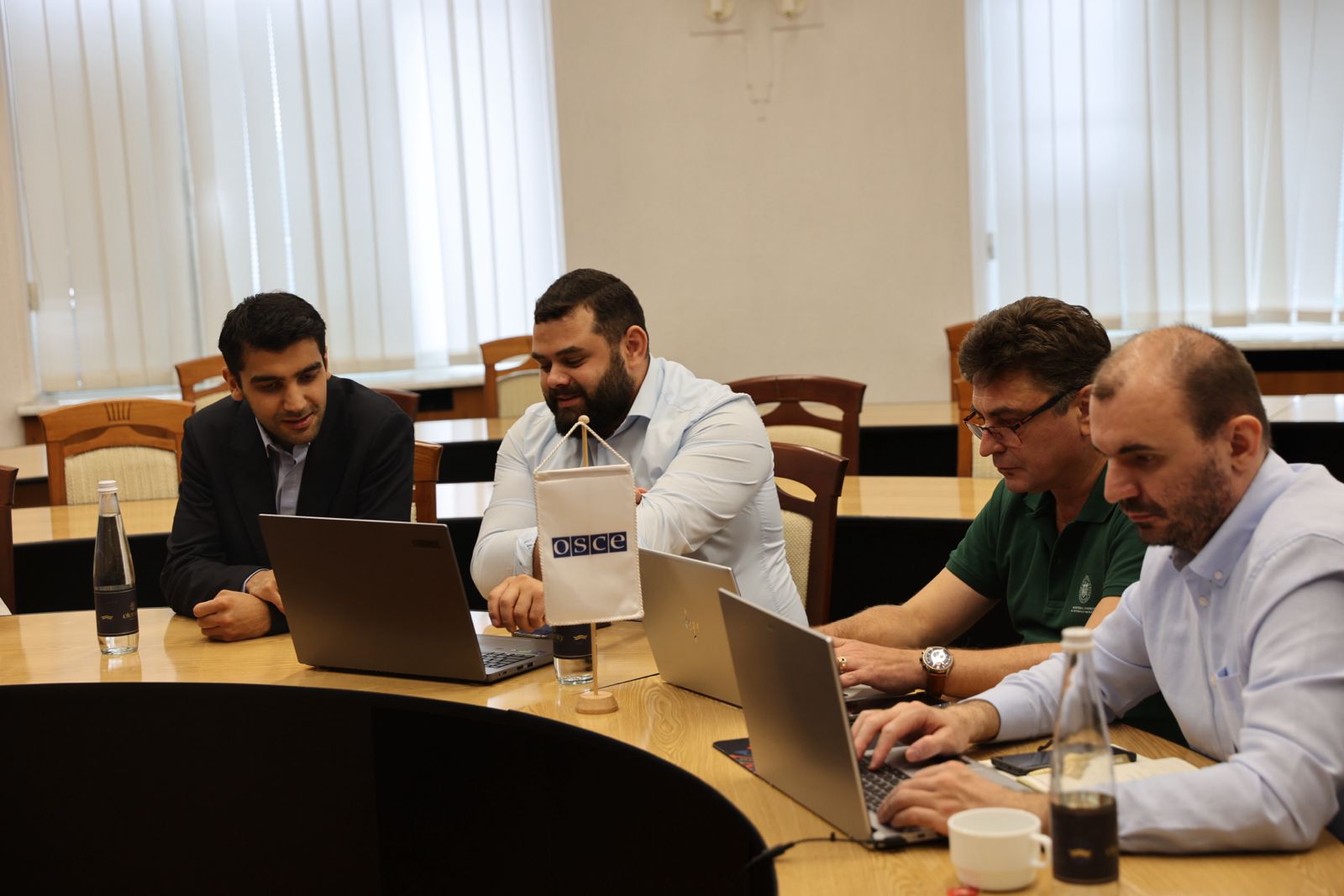
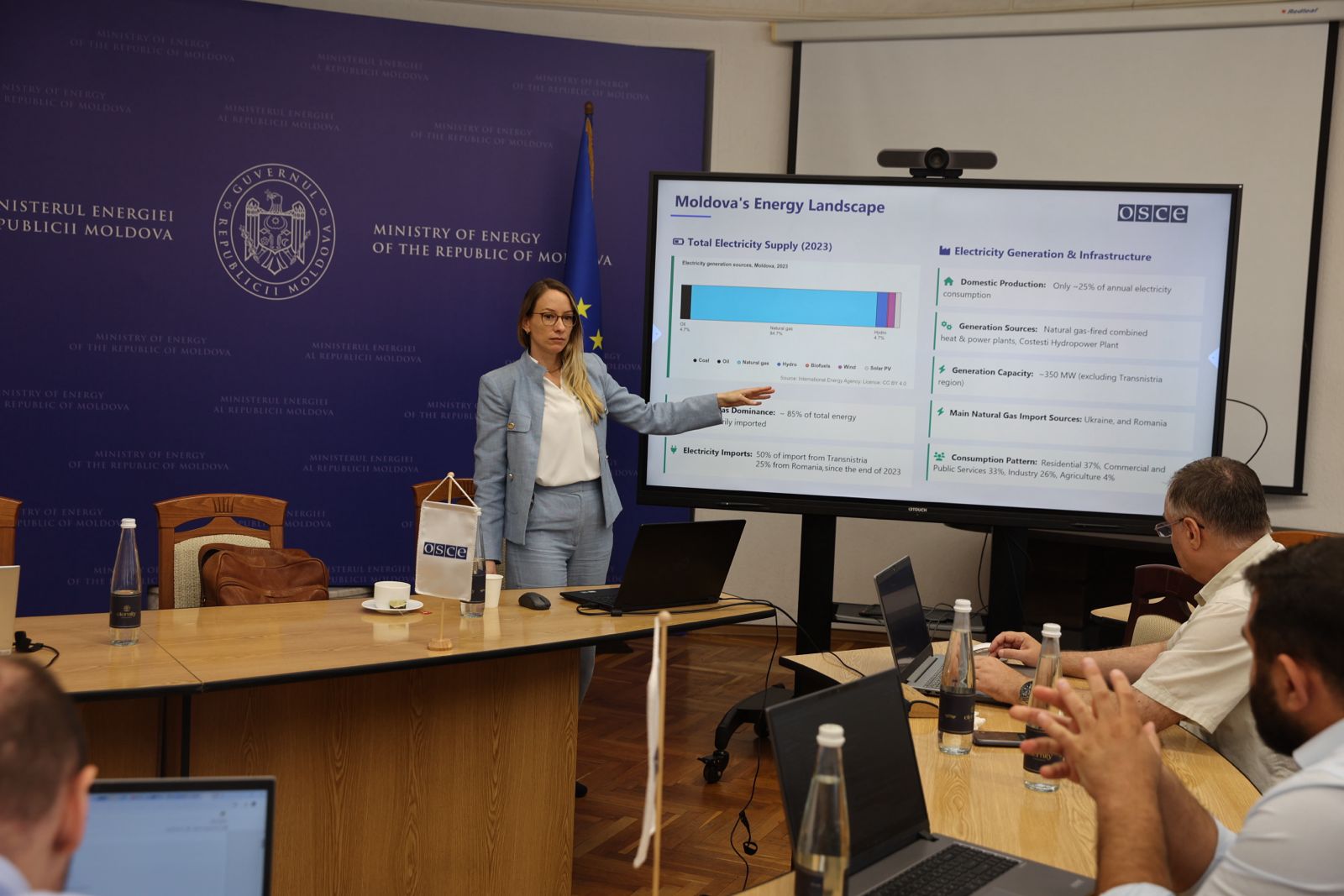
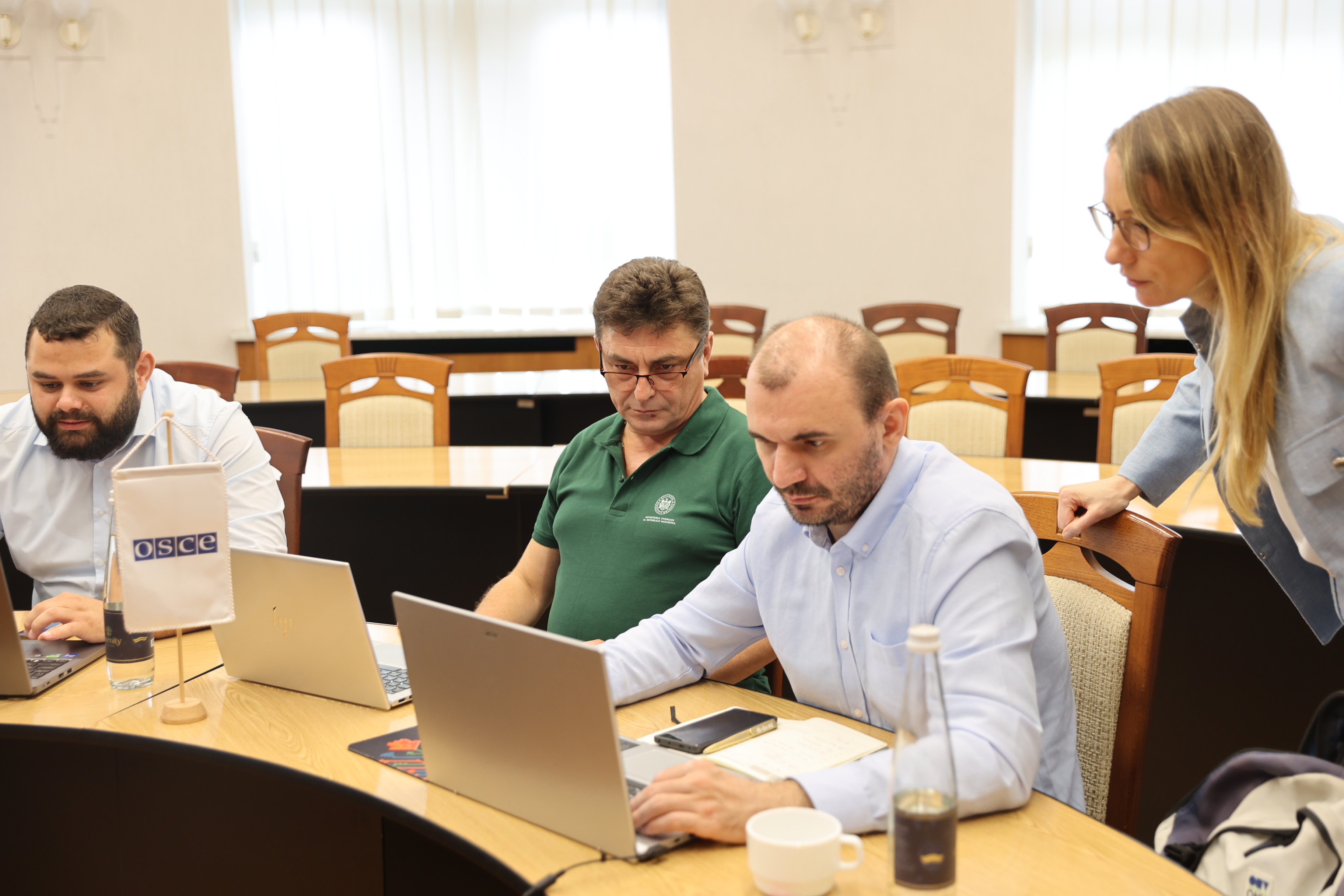
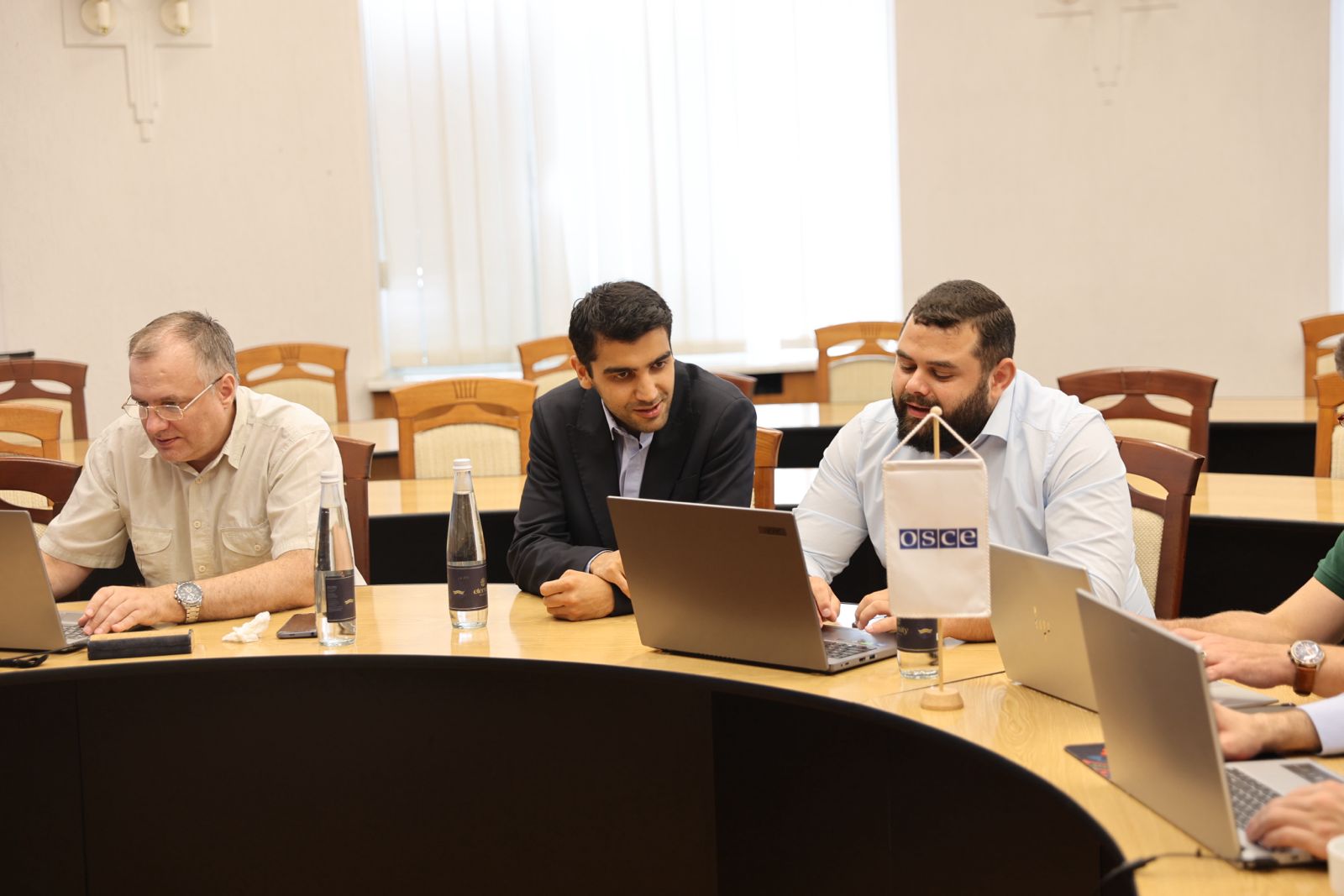
Energy forecasting specialists from the Ministry of Energy received practical training on a new energy system modeling tool, developed with the support of the OSCE, presented during a workshop held on July 29–30.
“This modeling tool can forecast various energy scenarios by combining national data with the effects of climate change. It will help us improve energy policy development in line with the Republic of Moldova's long-term energy goals, as outlined in the Integrated National Energy and Climate Plan,” said Dr. Sveatoslav Mihalache, Head of the Consumer Empowerment, Analysis, Modeling, Forecasting, Innovation, and Cybersecurity Department at the Ministry of Energy.
The new forecasting tool is the first in the Republic of Moldova to incorporate climate change impact analysis, based on high-resolution climate projections provided by the OSCE. This will enable forecasting specialists to analyze the long-term impact of climate change on the national energy system, including changes in demand caused by rising temperatures and the potential effects on renewable energy production in the context of changing climate conditions.
During the workshop, participants used an open-source platform for energy system modeling and learned how this platform can be applied to energy system analysis, strategic planning, and public policy development. They were introduced to various techniques for developing realistic long-term energy scenarios, methods for integrating climate data, and ways to identify socio-economic and technological strategies in response to Moldova’s long-term energy challenges.
It is worth noting that the Republic of Moldova aims to diversify its energy sources and decarbonize the energy system to build a low-carbon, climate-resilient system that addresses the country's energy security priorities in the coming decades.
The modeling tool, its development process, and the training workshop were carried out through the OSCE’s extra-budgetary project “Reducing Climate Change Risks to the Energy Sector in the OSCE Region.”
Images