Moldova’s Experience in the Green Transition Presented at Cleantech Days 2025, Istanbul
- 472 reads


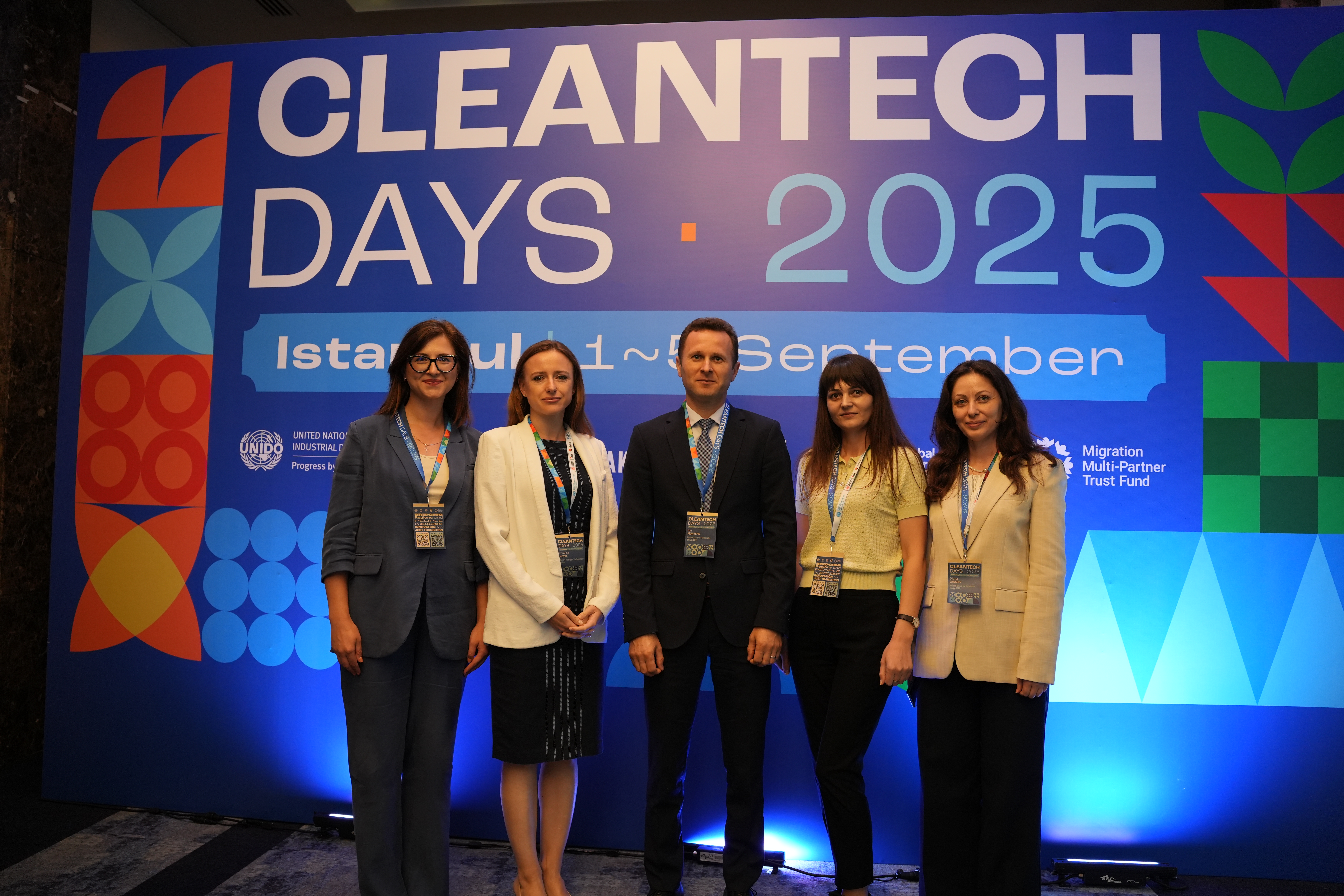
The Republic of Moldova’s experience in the green transition was presented to 150 participants from dozens of countries during Cleantech Days 2025, organized last week in Istanbul by the United Nations Industrial Development Organization (UNIDO) and the Scientific and Technological Research Council of Turkey (TÜBITAK).
The event serves as a platform where clean technology entrepreneurs, policymakers, investors, and development partners come together to showcase innovation, exchange knowledge, and build partnerships for sustainable and inclusive industrial development.
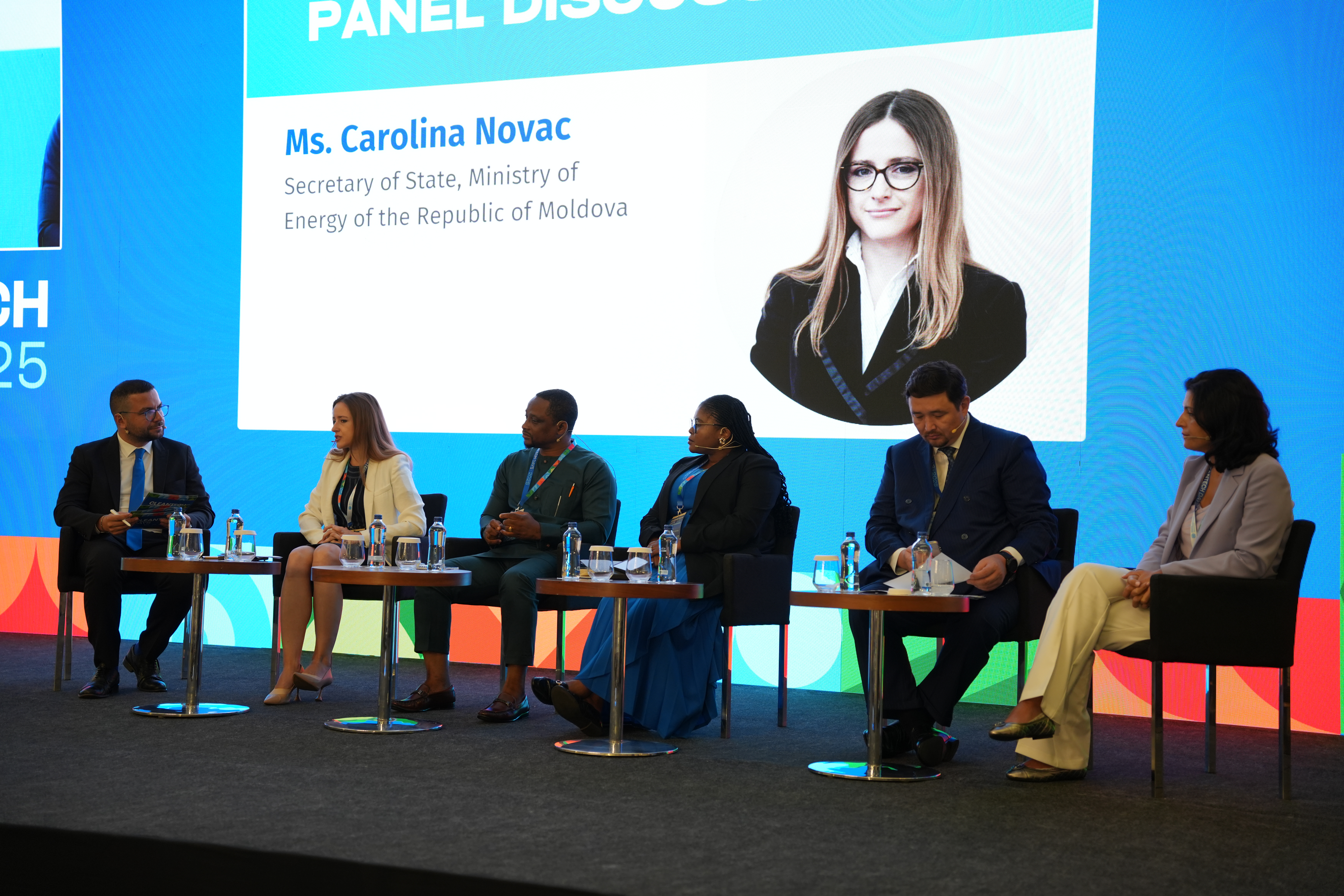
During the panel dedicated to development visions in the context of energy, climate action, and social inclusion, State Secretary at the Ministry of Energy, Carolina Novac, presented the overall context, challenges, opportunities, and best practices implemented in the Republic of Moldova. She emphasized that, given a complicated geopolitical context with war at the border, it is more difficult for businesses in a developing country to access financing on favorable terms. Without grants or state guarantees, investing in cleantech requires double the effort for businesses, which also face high energy vulnerability among the population (around 65%) and a significant dependence on fossil energy imports – about 75% of total consumption. This dependency, however, is expected to decrease to 40% by 2050, underlined Carolina Novac.
Among the development opportunities is the falling cost of renewable energy technologies, which are already cheaper than fossil fuels, while energy efficiency stands at the forefront of clean technology progress. According to Carolina Novac, these create new value chains, add value to companies across various sectors, and generate new jobs.
Practical approaches from the Republic of Moldova highlighted at the event included the Government’s “373” investment incentive program, which in 2024 financed up to 50% of the total loans for photovoltaic panel investments for private companies; loan guarantees for homeowners’ associations receiving financing under the Residential Energy Efficiency Fund (FEERM); and the Green Home Program. Private financing, however, remains equally important in the field of energy efficiency to complement public funds. In this regard, the European Bank for Reconstruction and Development recently launched a new residential credit facility, GEFF, worth €40 million.
Looking ahead, priority will be given to expanding battery energy storage systems and decarbonizing transport, which accounts for about 30% of energy consumption in the Republic of Moldova.
Images