The Ministry of Energy and international partners reviewed the progress of activities and set priorities for energy efficiency
- 70 reads


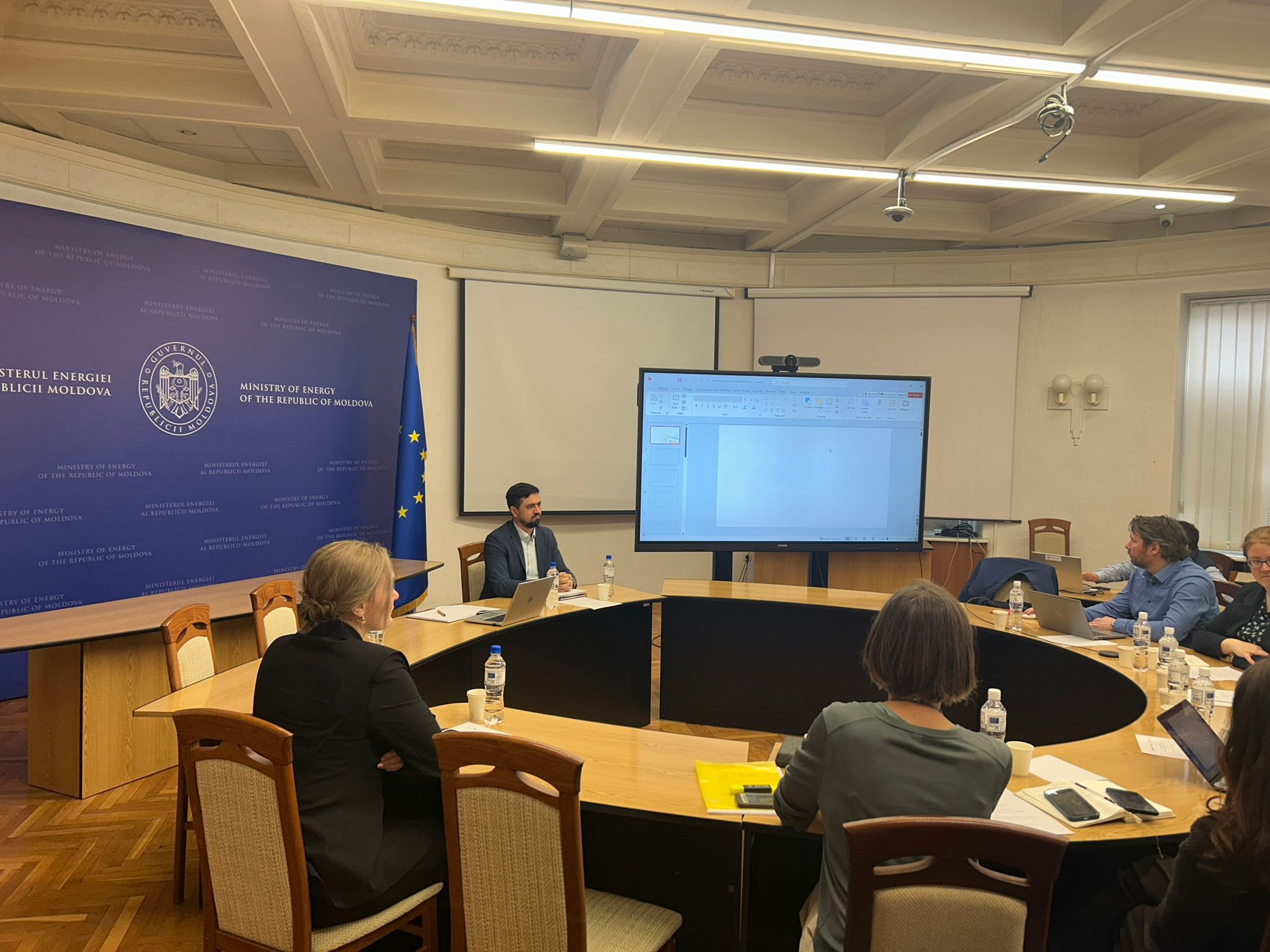
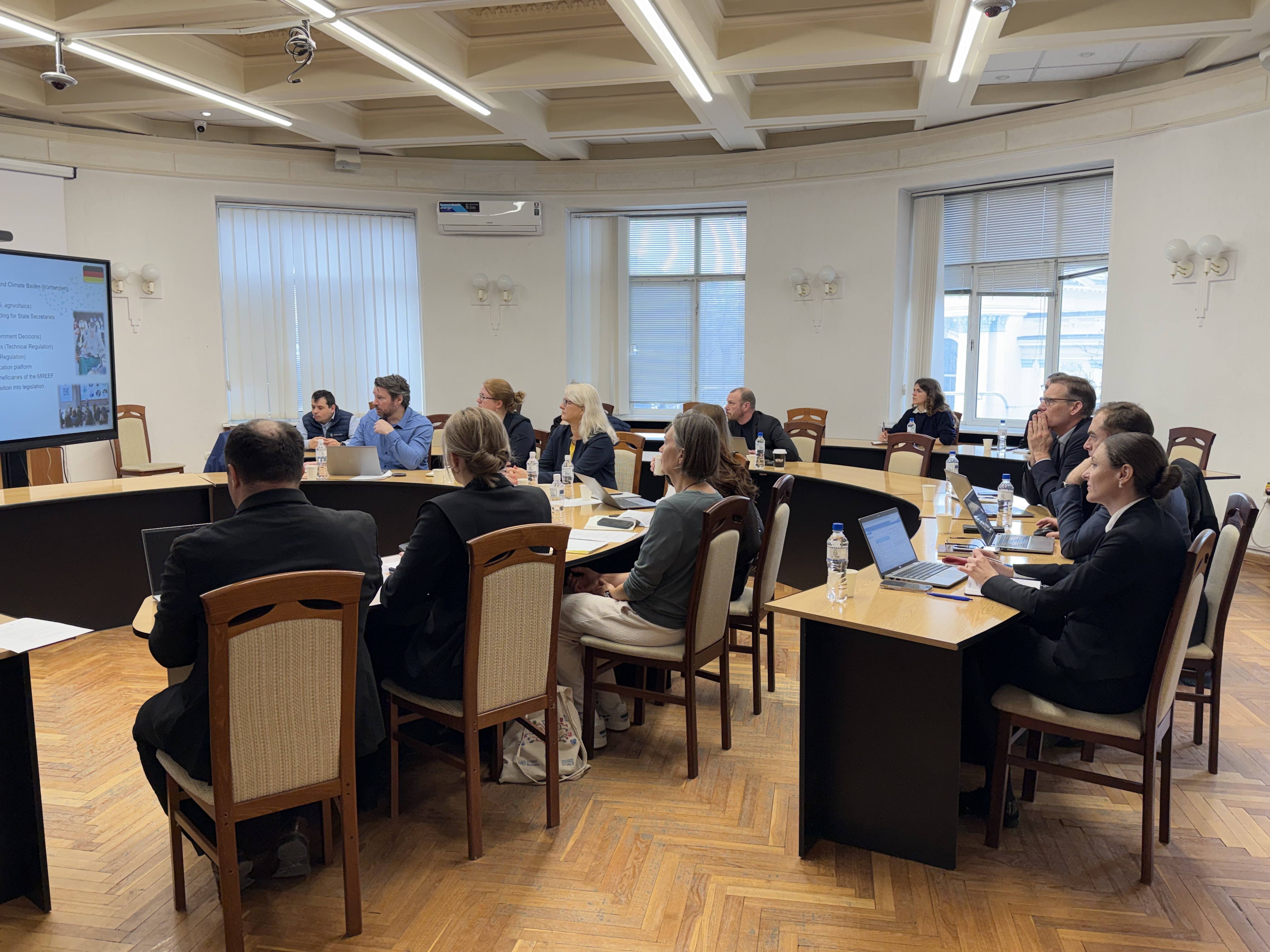
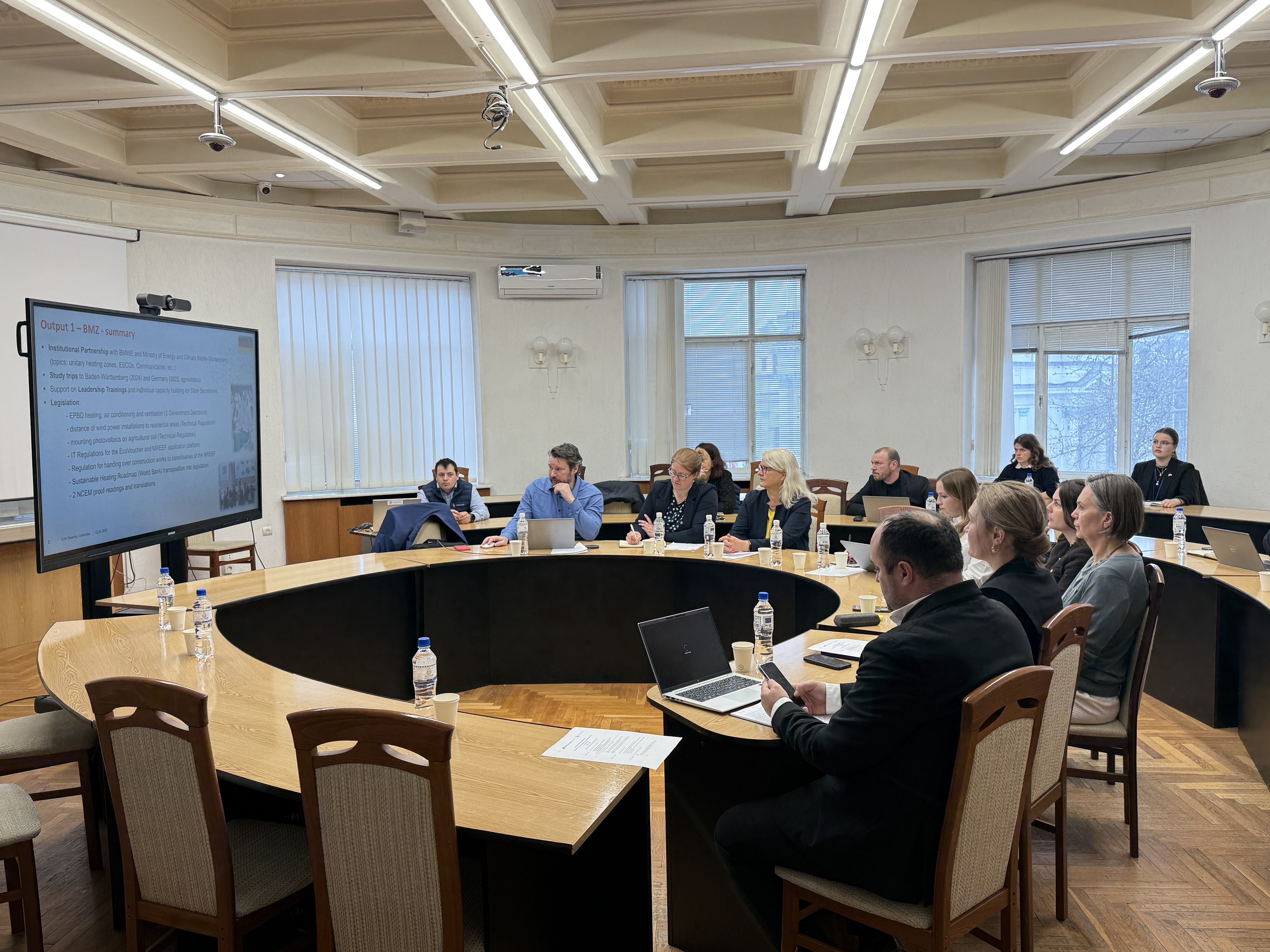
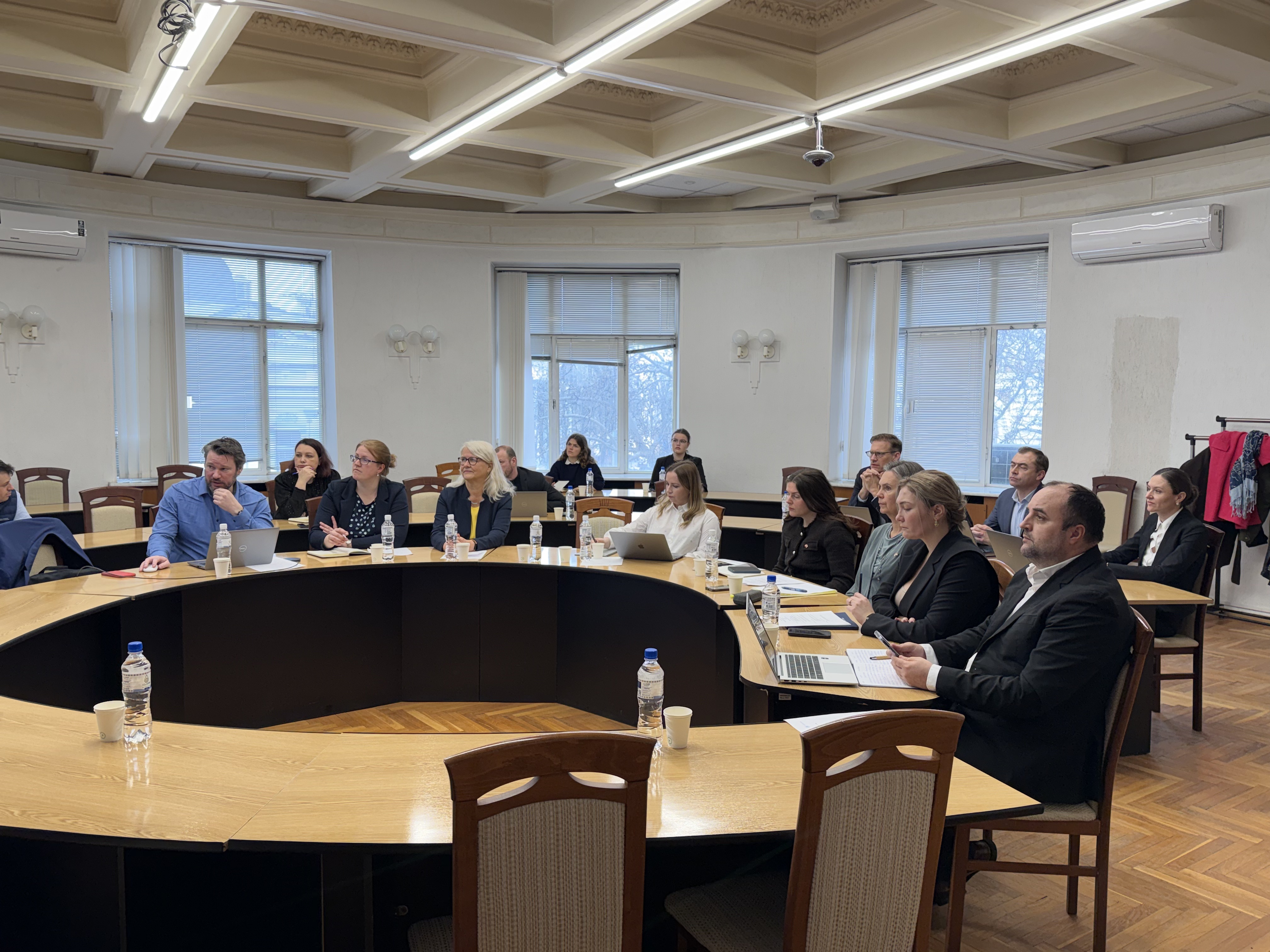
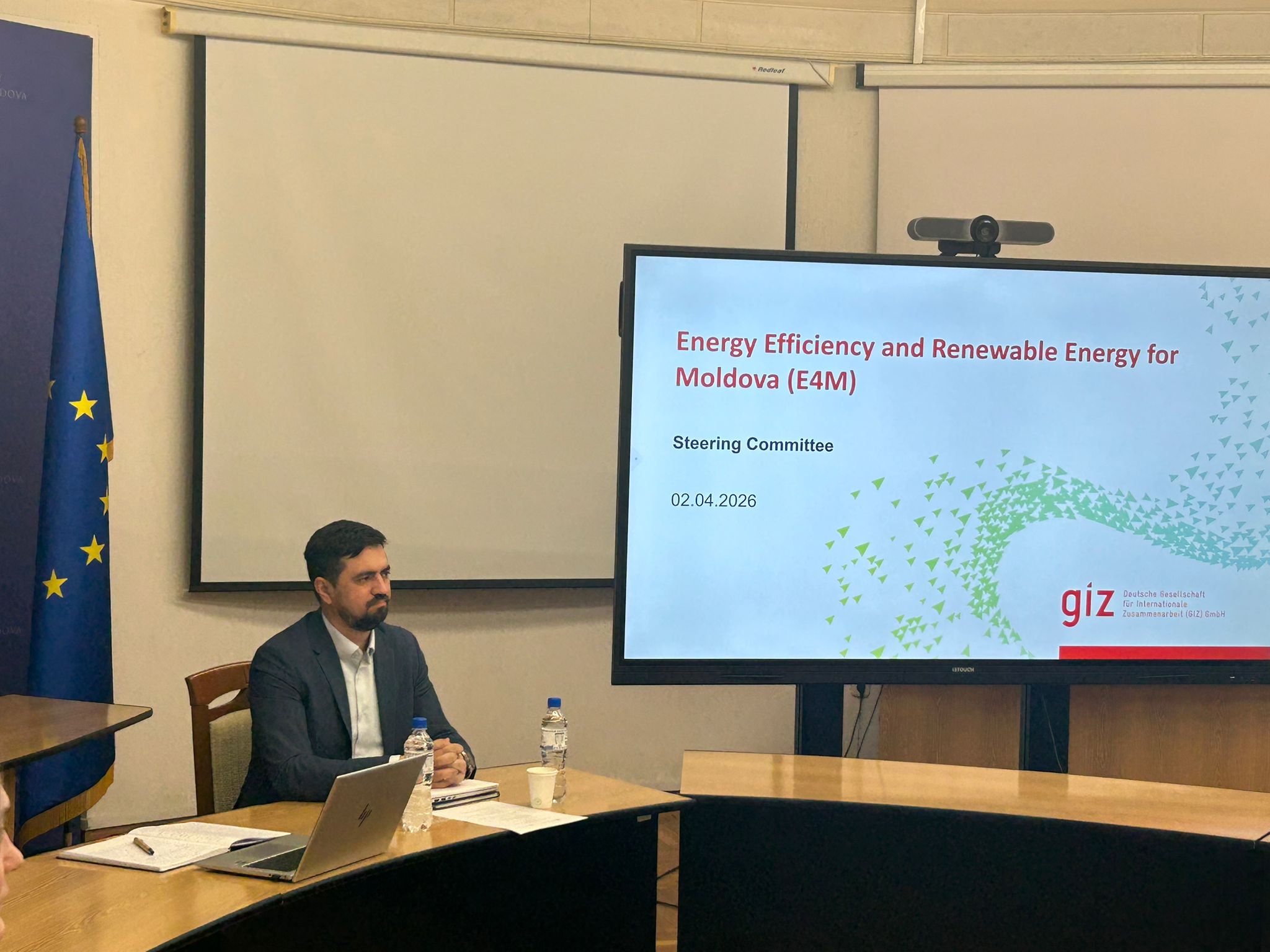
The second meeting of the Coordination Committee for the Energy Efficiency and Renewable Energy for Moldova (E4M) project took place today at the Ministry of Energy. It brought together national authorities responsible for implementing the project, representatives of the European Union Delegation, GIZ Moldova, and CNED officials, as well as ambassadors and attachés from the embassies of Norway, Germany, and Denmark. The purpose was to assess the project’s progress, analyze the results achieved so far, and define strategic directions for the next phase of implementation of projects aimed at improving the energy efficiency of public buildings and vulnerable households.
During the opening session, Vitalie Mîța, State Secretary for Energy Efficiency, noted that the involvement of external partners has significantly increased the number of projects implemented in our country.
“The E4M project represents a strategic pillar for the development of energy efficiency and renewable energy sources in the Republic of Moldova, and the results achieved so far reflect the commitment of the authorities and international partners to transforming the energy sector and ensuring the sustainable development of communities,” Mîța stated.
The meeting continued with detailed presentations on the evolution of the project and the energy sector, delivered by GIZ and CNED. It was highlighted that the EcoVoucher Caravan concluded successfully, visiting 36 localities and reaching over 30,000 beneficiaries; that the EU-funded EcoVoucher session launched on March 31, 2026 provides for the allocation of at least 2,600 vouchers; that 192 energy audits and technical specifications have been developed; and that 42 vulnerable single-family households have undergone energy renovation. Additionally, a pilot energy management program has been implemented in four regions, covering 1,348 schools and kindergartens.
The meeting also included discussions on the priorities of donors from the EU, Germany, Norway, and Denmark, a Q&A session on the project’s progress for 2025, and proposals for additional support from the Ministry of Energy and CNED. These reflect the close cooperation between Moldovan authorities and international partners in achieving strategic objectives in the field of energy efficiency and the use of renewable energy sources.
Images