Agriculture Can Become an Important Source of Dispatchable Renewable Energy, Says Energy Minister Dorin Junghietu Following Visit to Biogas Plant in Fârlădeni
- 10 reads


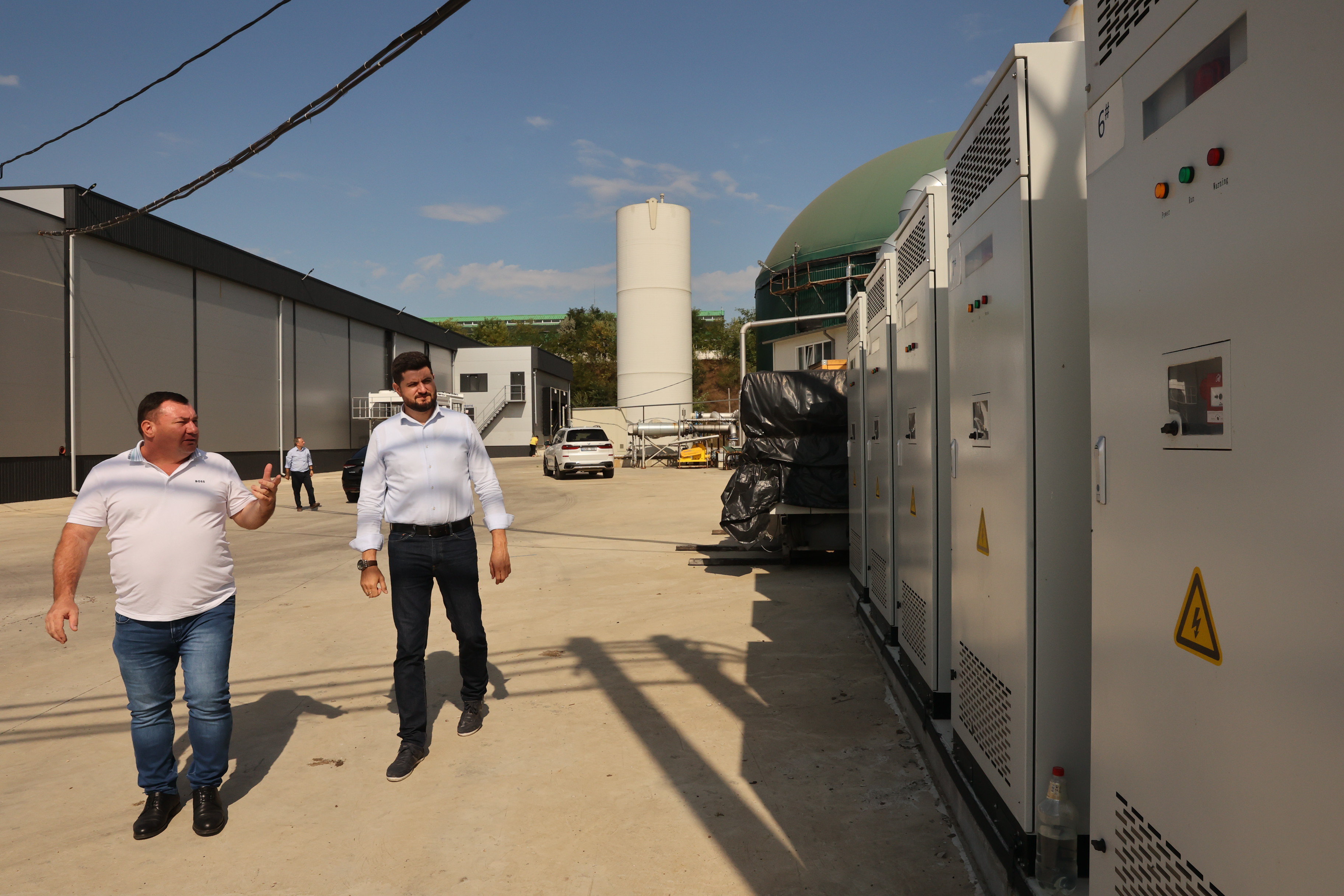
Minister of Energy Dorin Junghietu visited Hîncești district today, including the village of Cărpineni and the Garma-Grup enterprises, one of the five biogas producers in the Republic of Moldova. The Minister discussed with the company’s founders plans to expand electricity generation from biogas and the potential for closer integration of agriculture into the energy sector.
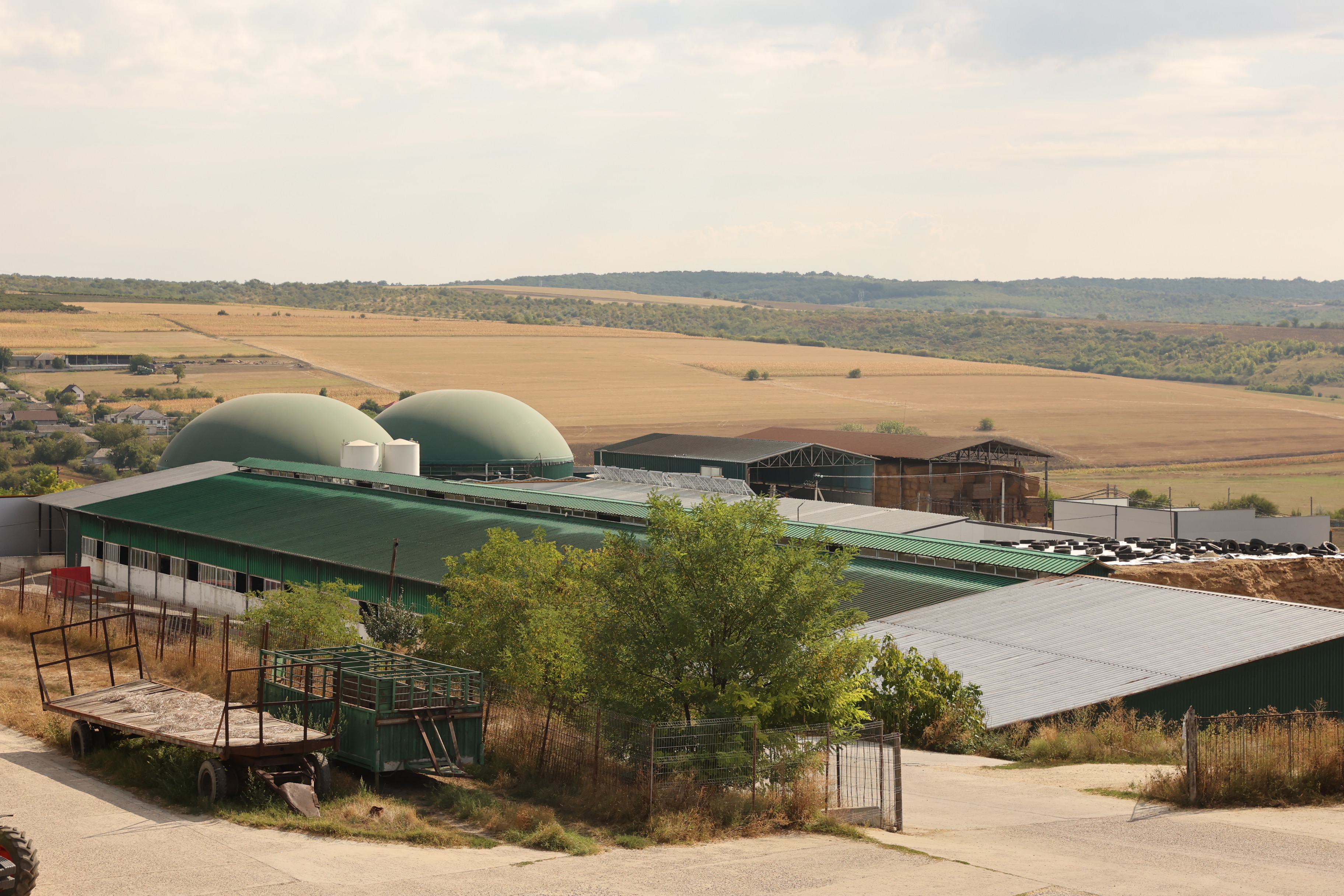
In recent years, Garma-Grup has developed a circular economy model in which several agricultural and industrial activities are connected within a single production cycle. Organic waste from the cattle farm, as well as by-products resulting from industrial activities, are used to produce biogas. The biogas is used both for the company’s technological needs and for generating electricity through cogeneration units.
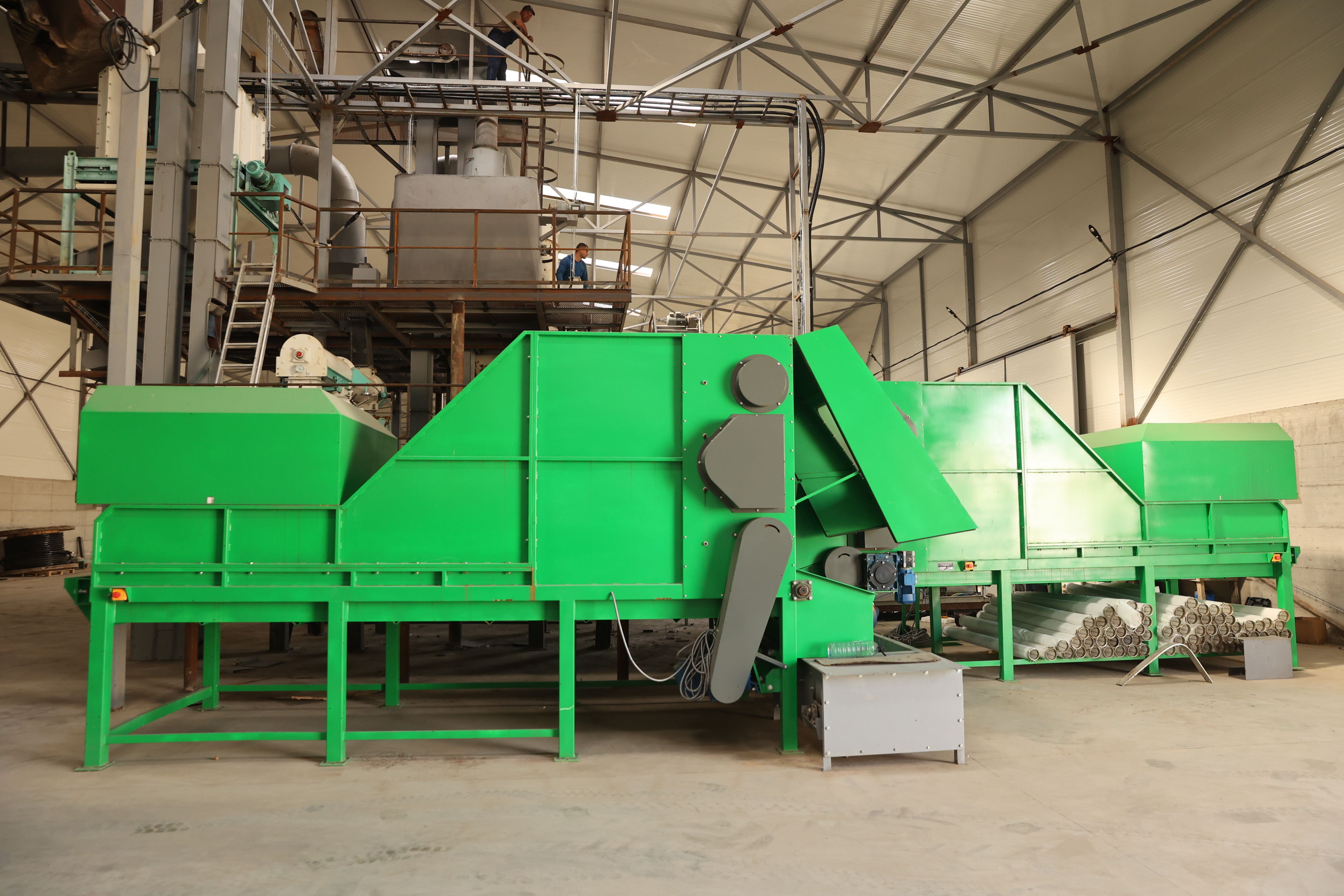
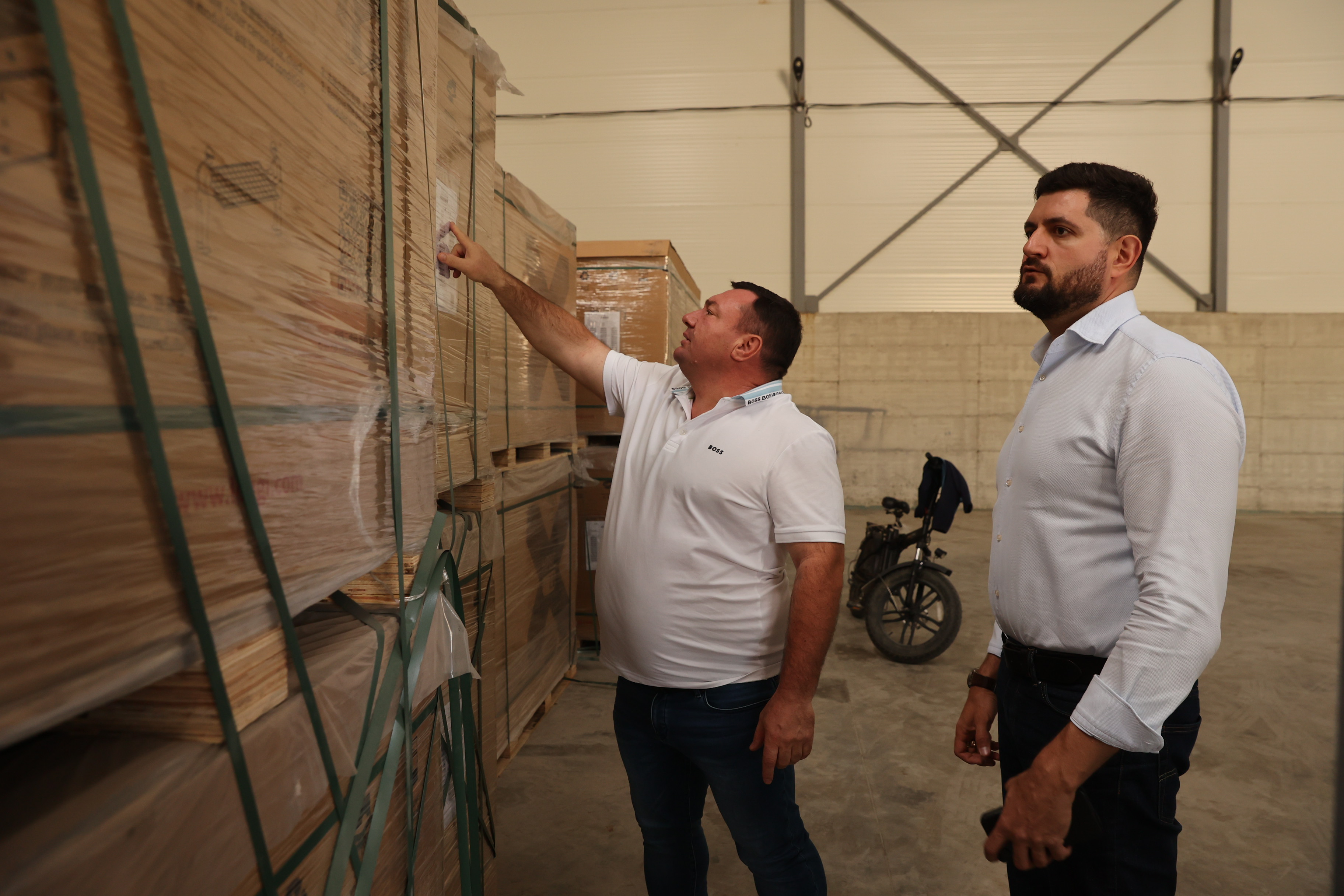
During the visit, Minister Dorin Junghietu visited the pasta factory in Hîncești, the sugar sorghum plantations and the livestock complex, where the biogas plant and cogeneration units for electricity generation are located.
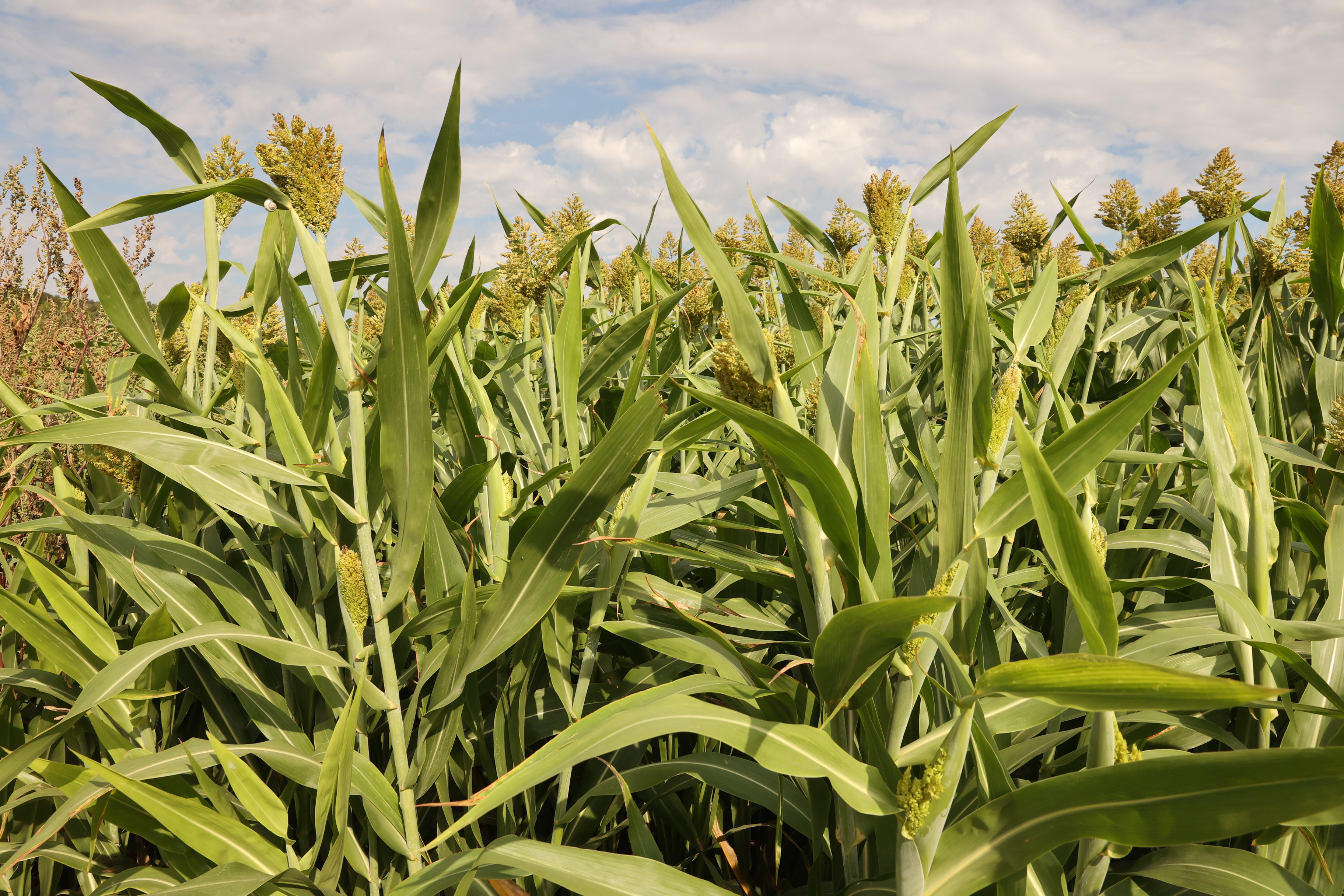
This year, Garma-Grup has experimentally cultivated approximately 250 hectares of sugar sorghum, which will be tested as feedstock for bioethanol production. The results of the pilot project will allow the company to assess the potential for expanding the cultivated areas and using sorghum together with organic waste generated by agricultural and livestock activities.
The Minister of Energy discussed with company representatives the possibility of increasing electricity generation and making more efficient use of existing capacities. Unlike solar and wind power, biogas-based generation can be controlled and scheduled according to the needs of the power system. Biogas can be produced and stored during the day, while electricity can also be generated during evening hours, when photovoltaic generation decreases and electricity consumption is high.
“We need as much electricity produced in the Republic of Moldova as possible, but we also need generation capacities that can produce when the system needs energy. Biogas has this important advantage: it can provide dispatchable renewable generation and contribute to balancing the system, including during hours when there is no solar generation. The Garma-Grup example also shows how agriculture can be integrated into the energy sector – waste becomes a resource, farmers can generate additional income, and the energy remains within the Moldovan economy,” said Minister of Energy Dorin Junghietu.
Garma-Grup operates three cogeneration units, each with a capacity of approximately 1 MW. Currently, 1.067 MW has eligible producer status under the renewable energy support mechanism. The company is also considering the possibility of using a larger capacity and selling electricity directly on the market.
During discussions with the Minister of Energy, company representatives noted that developments in the electricity market are creating new opportunities for biogas producers. During certain periods and hours, selling electricity on the free market can be more advantageous than supplying it at the regulated tariff for renewable energy, particularly because biogas producers can schedule their generation for hours when electricity has a higher market value.
“In the near future, I do not think we have much chance of returning to cheap gas and electricity. But biogas is not only about gas and electricity. It is also about balancing and the ability to provide dispatchable generation. We can produce and store biogas during the day and supply electricity in the evening, when the system needs it. At the same time, this is an opportunity for agriculture. Crop rotation can include sorghum and other crops that can provide farmers with higher revenues than traditional wheat cultivation,” said Valentin Ungureanu, one of the founders of Garma-Grup.
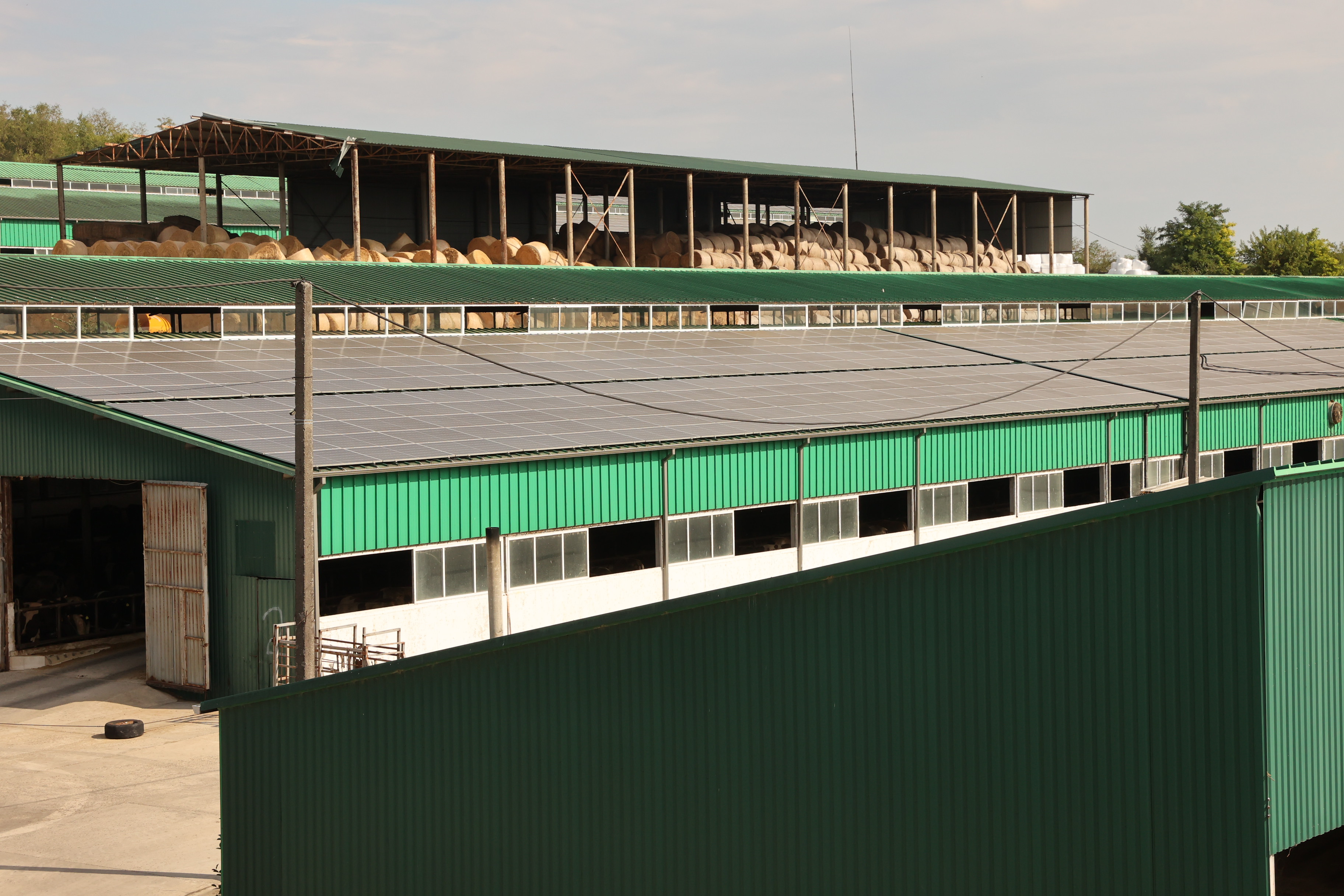
The model developed by the company enables the successive use of the same raw material. Agricultural production provides feedstock for industrial and livestock activities; waste and by-products are converted into biogas, which is then used to generate electricity and heat, while the digestate resulting from the fermentation process is returned to agriculture as organic fertilizer. The company has also installed photovoltaic panels with a capacity of nearly 2 MW and is expanding its battery energy storage facilities, which currently exceed 1.3 MW.
“The development of biogas generation can complement the rapid growth of photovoltaic and wind generation capacity in the Republic of Moldova in recent years. In addition to generating renewable energy locally, biogas power plants can provide the power system with a flexible and predictable resource capable of generating electricity during periods without sunshine or wind,” said Minister of Energy Dorin Junghietu.
In this context, the development of a competitive electricity market and increased market liquidity can create additional incentives for investment in biogas, cogeneration and flexible generation capacities. The Ministry of Energy will continue its dialogue with agricultural producers and investors to identify solutions that can turn the Republic of Moldova’s potential in biomass and agricultural waste into new local electricity generation capacities.
Images