Dorin Junghietu: “The Republic of Moldova Accelerates Digitalization in the Energy Sector”
- 1014 reads




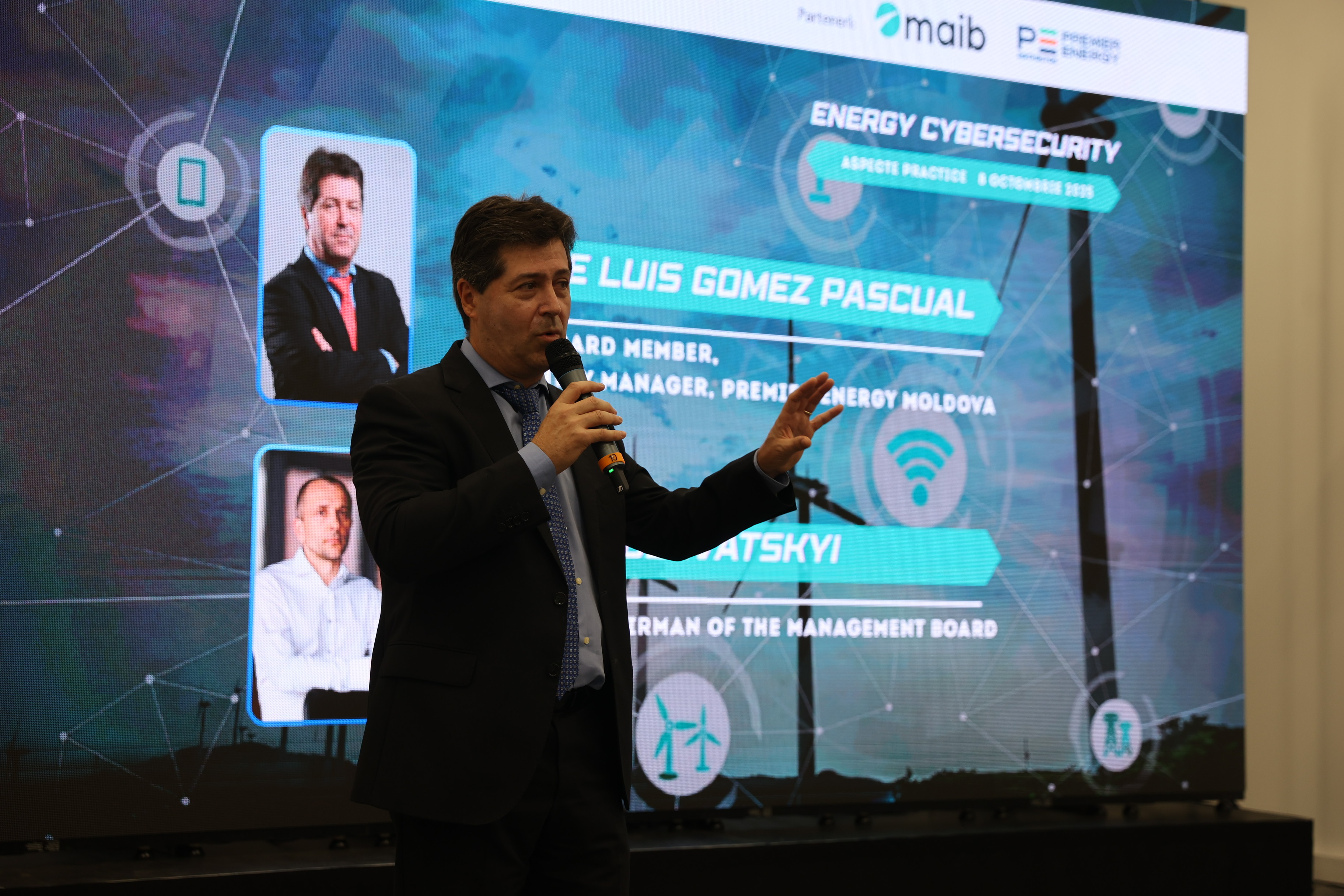
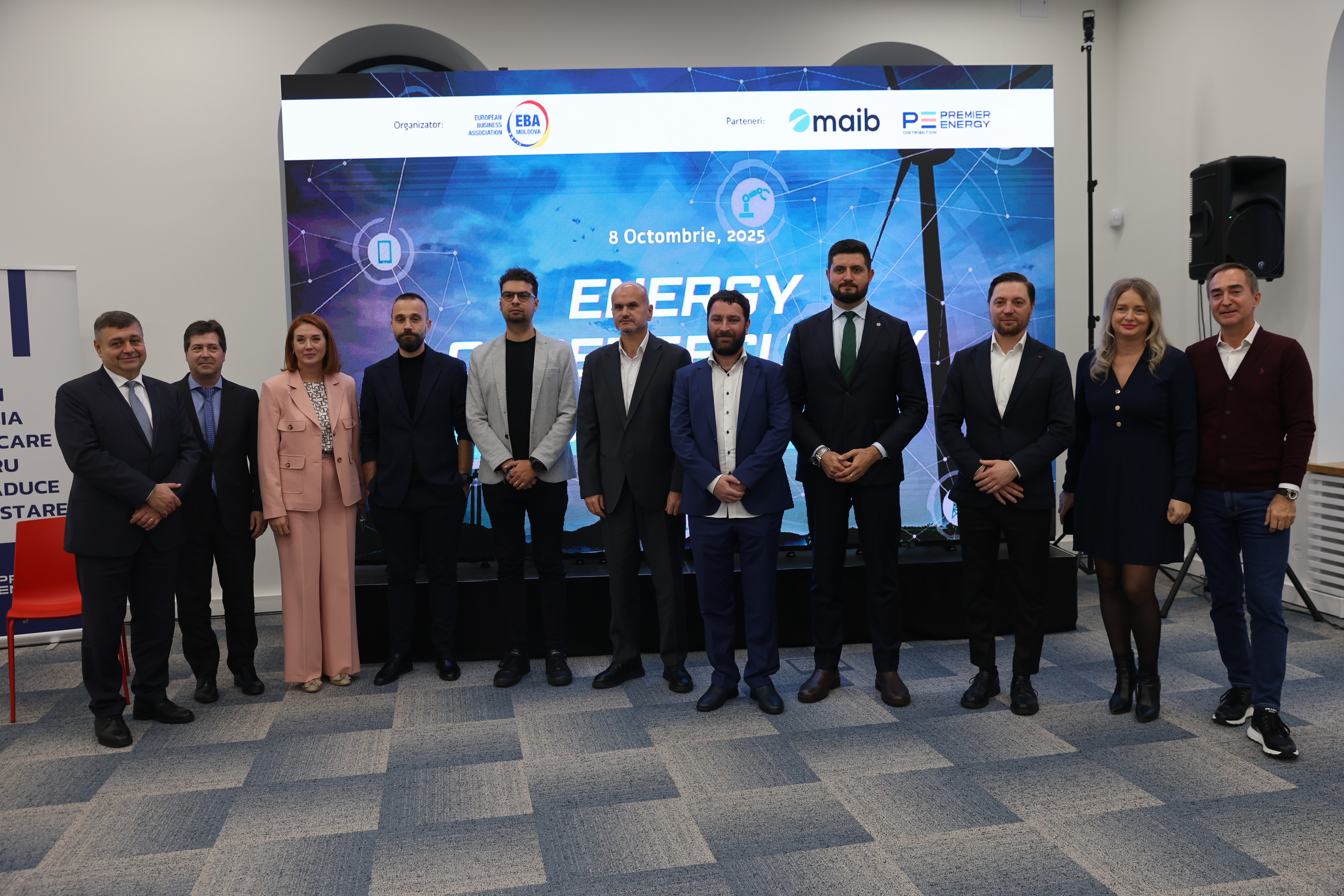
The objectives of the Republic of Moldova in digitalization and energy transition, as well as measures to strengthen the cybersecurity of critical infrastructure, were at the center of discussions during the event “Energy Cybersecurity – Practical Aspects”, organized by the European Business Association.
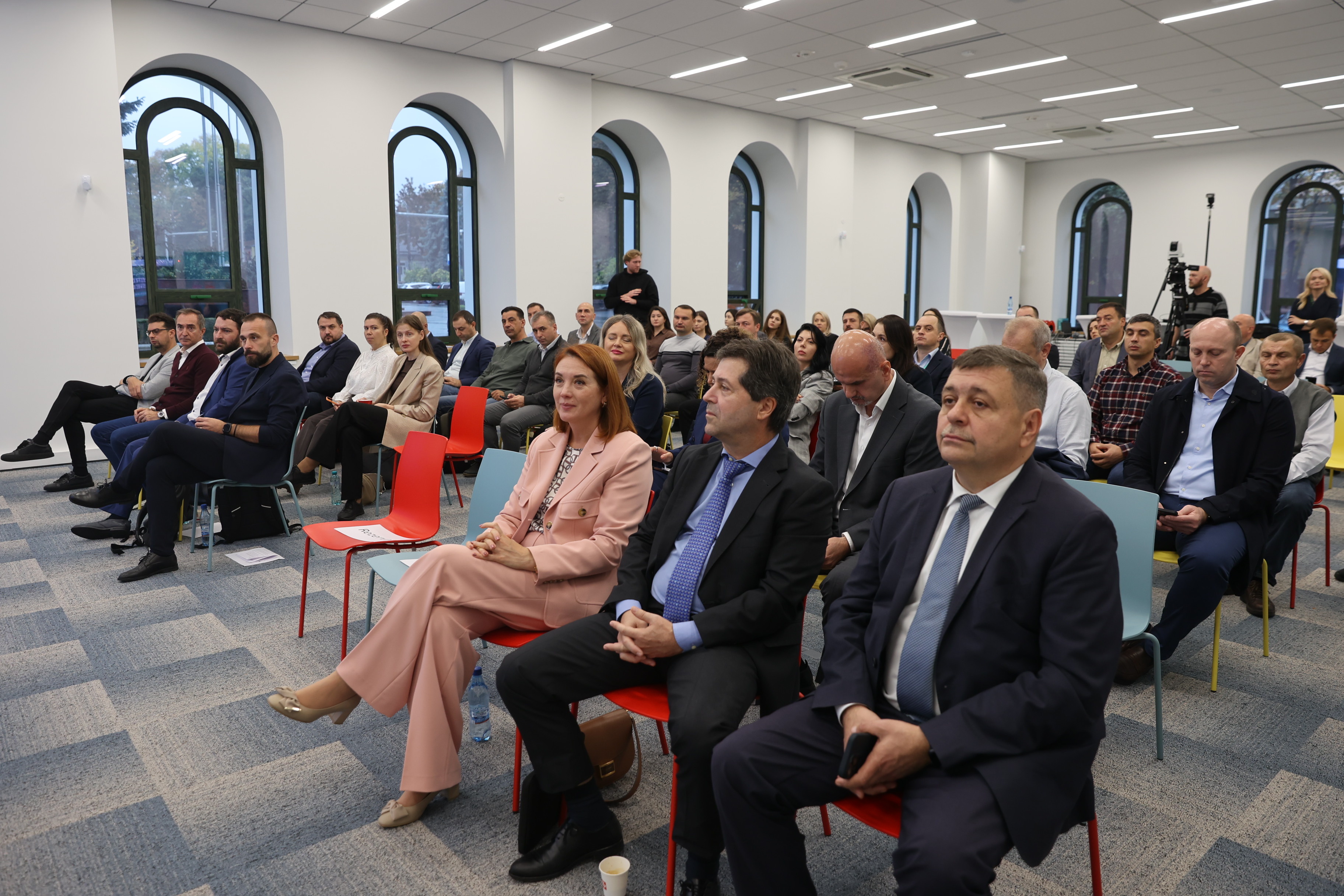
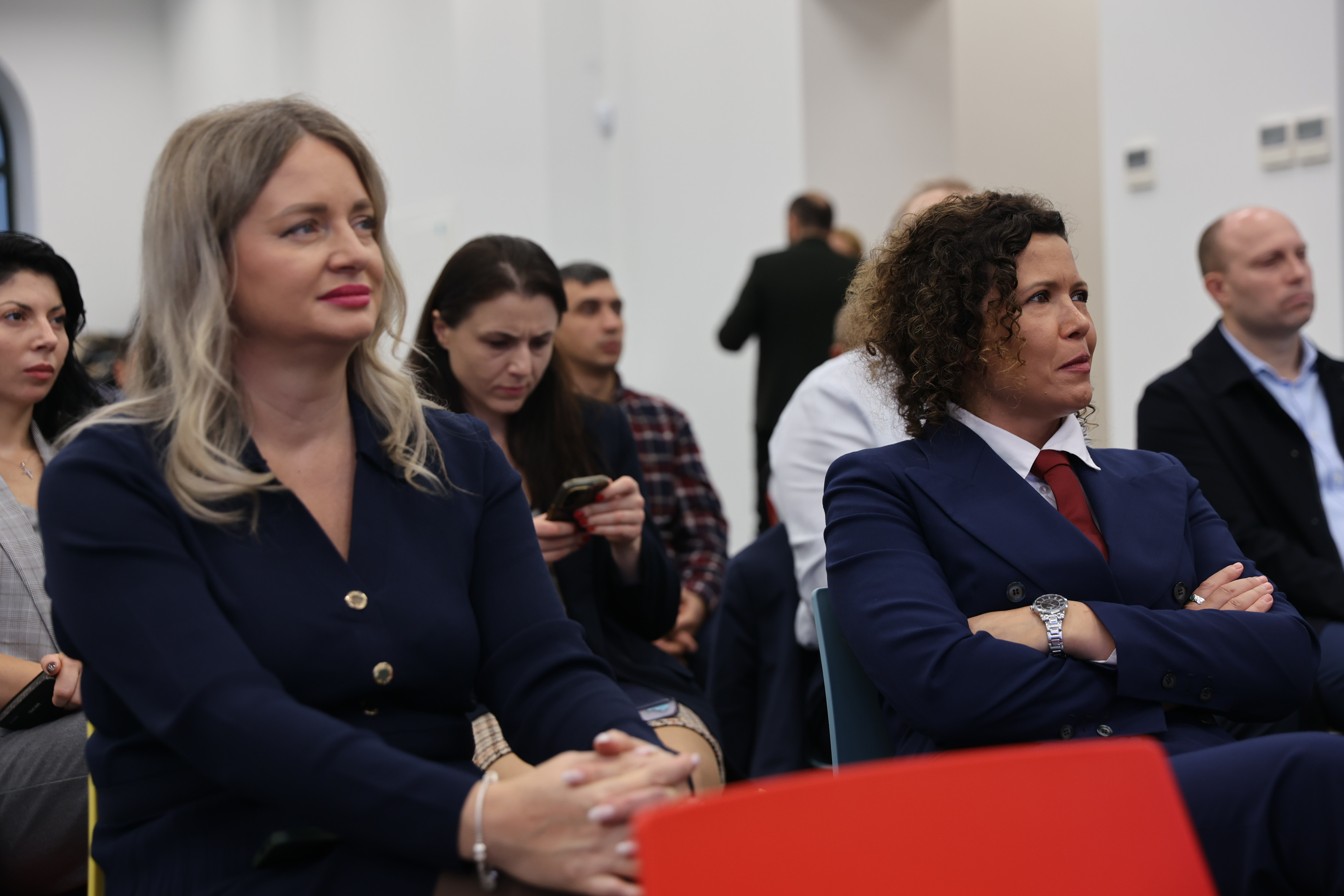
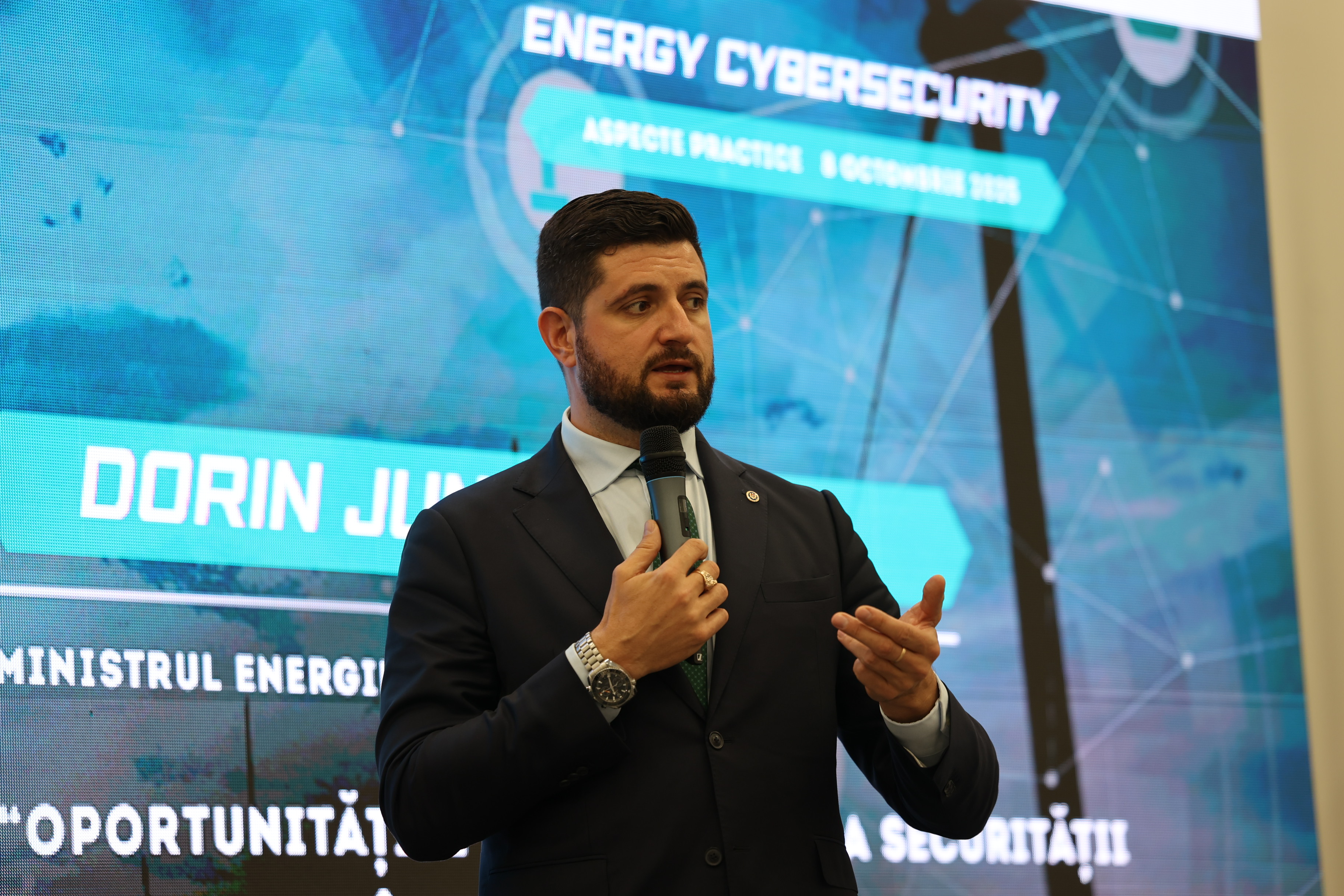
The workshop brought together experts from the energy and digital sectors, representatives of public authorities, academia, business, and international partners. Invited to the event, Minister of Energy Dorin Junghietu spoke about the strategic directions of digital transformation and the government’s efforts to ensure a safe, intelligent, and sustainable energy transition.
“The energy transition in the Republic of Moldova is no longer an idea, but a reality we are implementing. Digitalization, automation, and connectivity now define every link in our energy system—from power plants to people’s homes. Our goal is clear: to transform energy into a smart, secure, transparent, and interconnected sector capable of supporting economic growth and national security. But digitalization without security means vulnerability. That is why digital resilience is now the central component of all ministry policies,” emphasized Minister Junghietu.
He reiterated that the Ministry of Energy treats cybersecurity as an essential part of energy security, building an integrated policy framework in collaboration with STISC and ANRE.
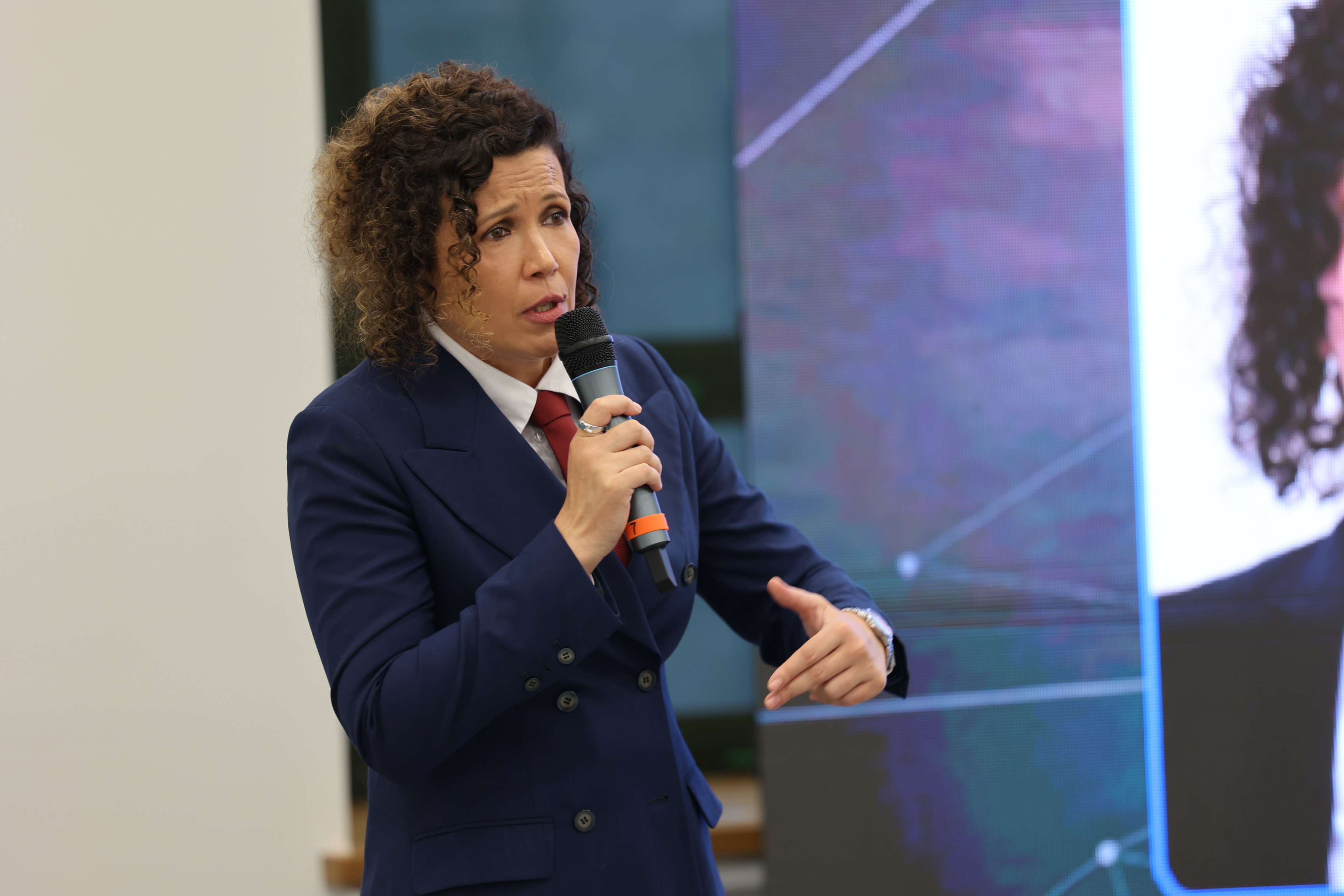
State Secretary Cristina Pereteatcu highlighted the importance of cybersecurity in the context of electricity market liberalization, noting that a dedicated center is being established within the Moldelectrica transmission operator. She also mentioned that enterprises in the energy sector have undergone a cyber audit and that internal digital processes will be certified.
The National Digital Transformation Program of the Energy Sector aims to develop an intelligent and interoperable infrastructure, integrating data from electricity, gas, and district heating networks into a unified and transparent system. Over 500,000 smart meters will be connected to a national energy management platform, helping reduce infrastructure losses and improving service quality for consumers.
Currently, over 70% of Moldova’s energy infrastructure exceeds its normative service life, and only 15% of operational processes are digitalized. The system still relies on outdated technologies, resulting in approximately 18% losses in electrical, thermal, and gas networks and high operational costs.
The total investment of 1,807,800 thousand MDL is expected to be recouped within 5–7 years through generated savings. Reducing losses across the entire technological value chain will yield annual savings of approximately 200 million MDL, which can be reinvested in the continuous modernization of the energy sector.
Digitalizing the energy infrastructure will reduce operational costs by 20–25% by 2030, translating into more affordable tariffs for consumers and increased competitiveness for businesses.
An example of innovation in this field is Energy Sandbox Moldova, the first mechanism for testing energy technologies in Central and Eastern Europe. Its first pilot project, recommended to the government, Vehicle-to-Grid (V2G), demonstrates the potential for integrating electric mobility, energy storage, and digital security.
The Ministry of Energy is also investing in professional skill development through partnerships with the Technical University of Moldova, UNDP, Premier Energy, and other sector stakeholders. In collaboration with academia and the private sector, a cyber-incident simulation laboratory and continuous training programs in cyber-energy management will be launched.
Images