The Draft Energy Strategy 2050 was presented for public consultation
- 1196 reads


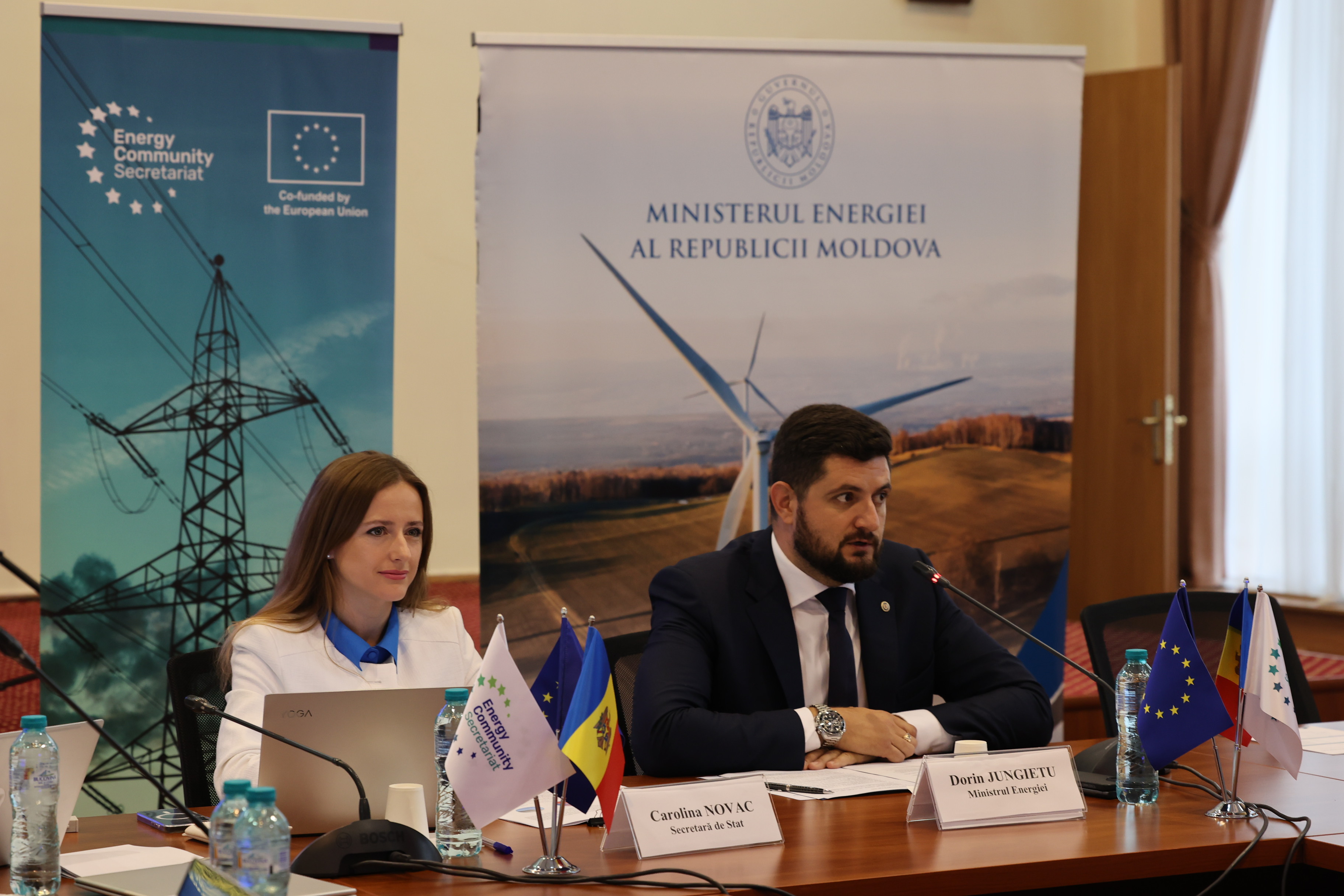
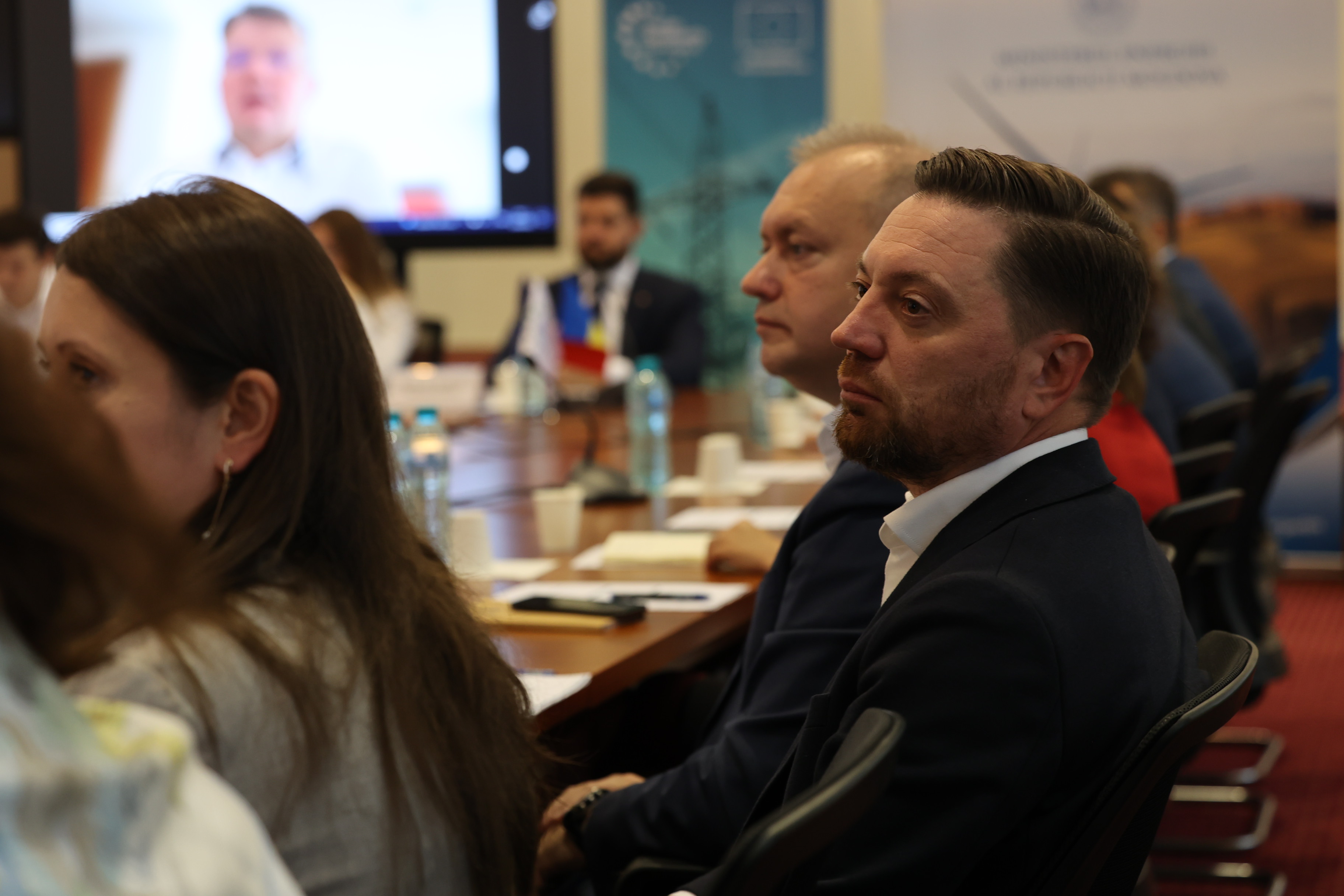
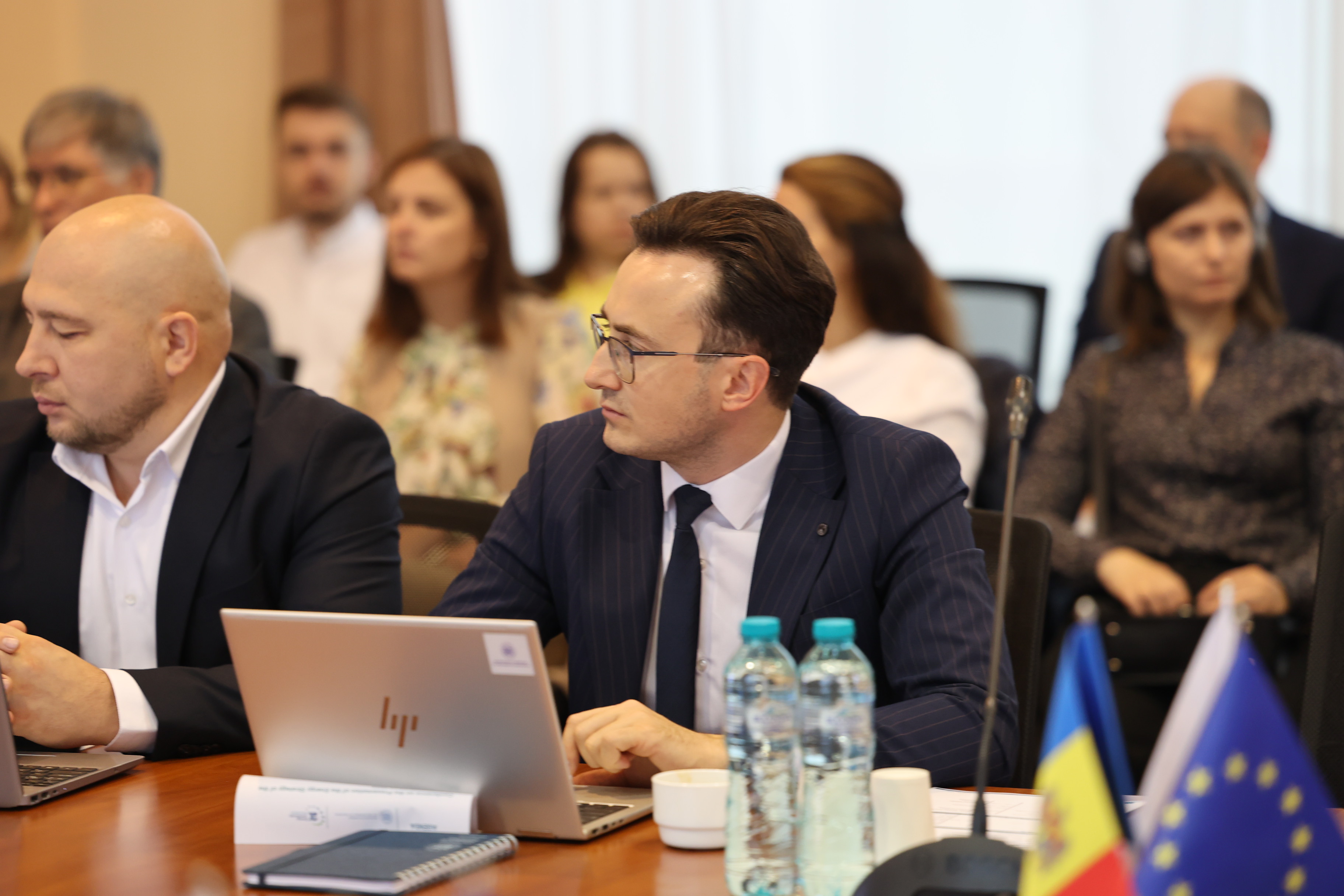
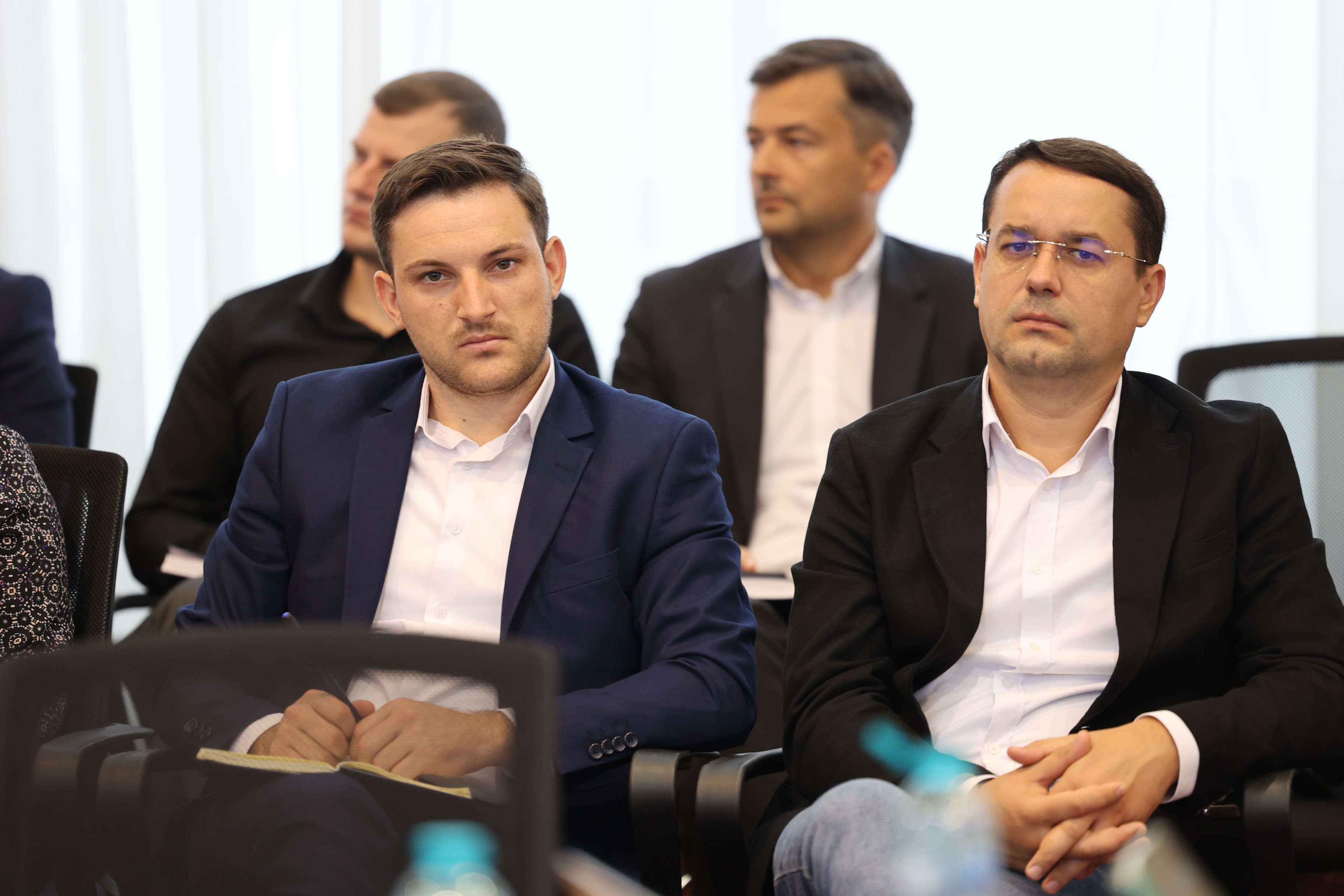
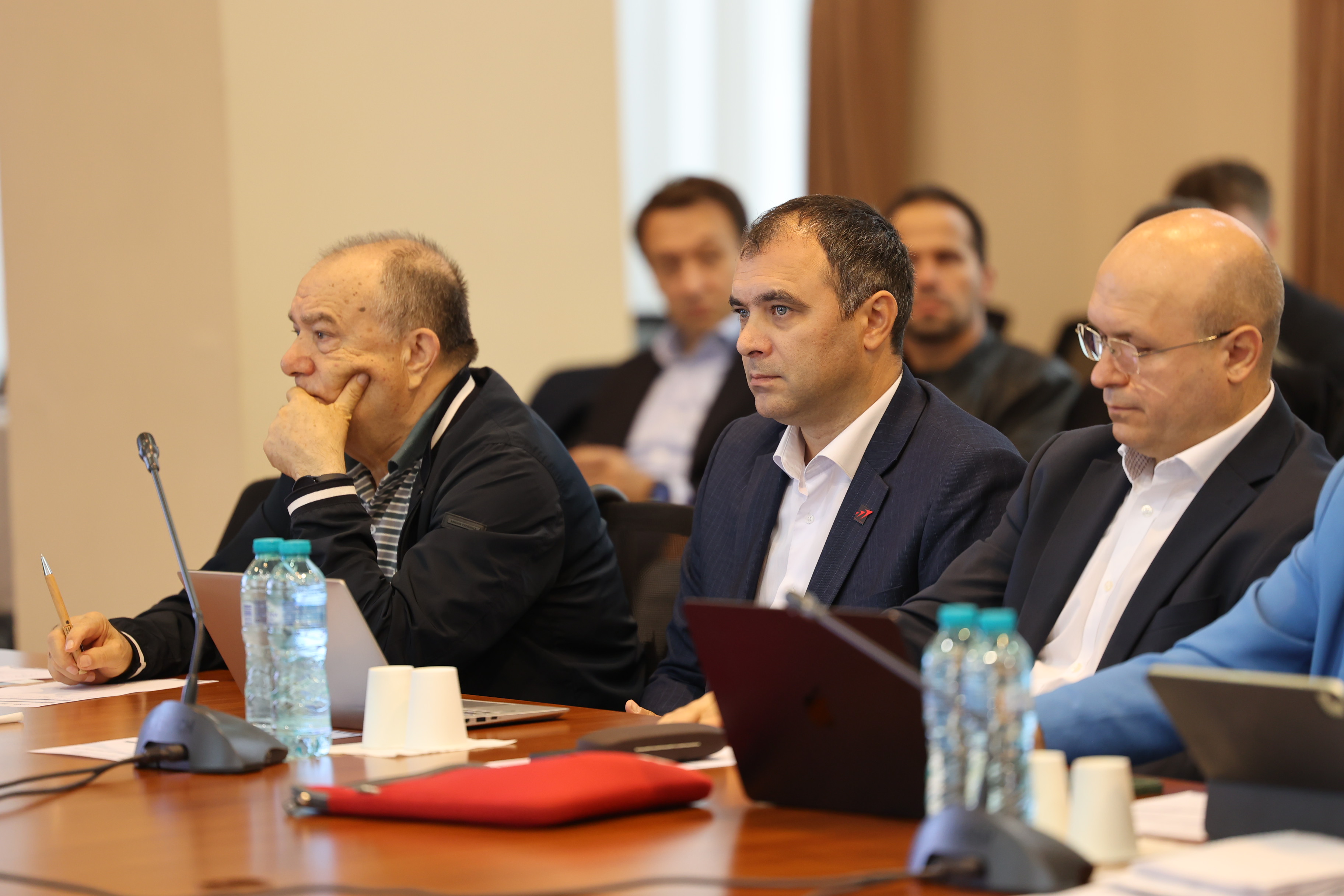
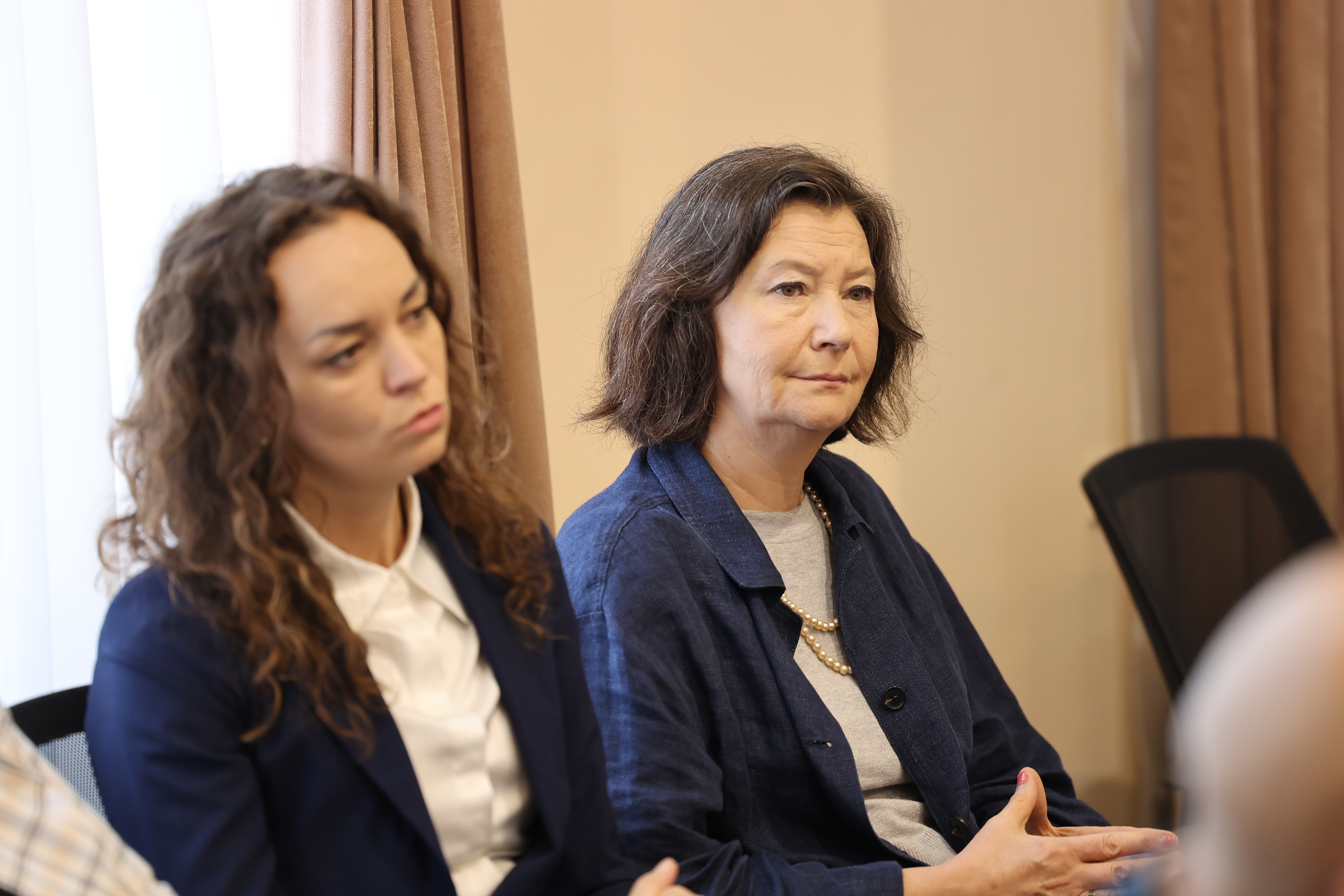
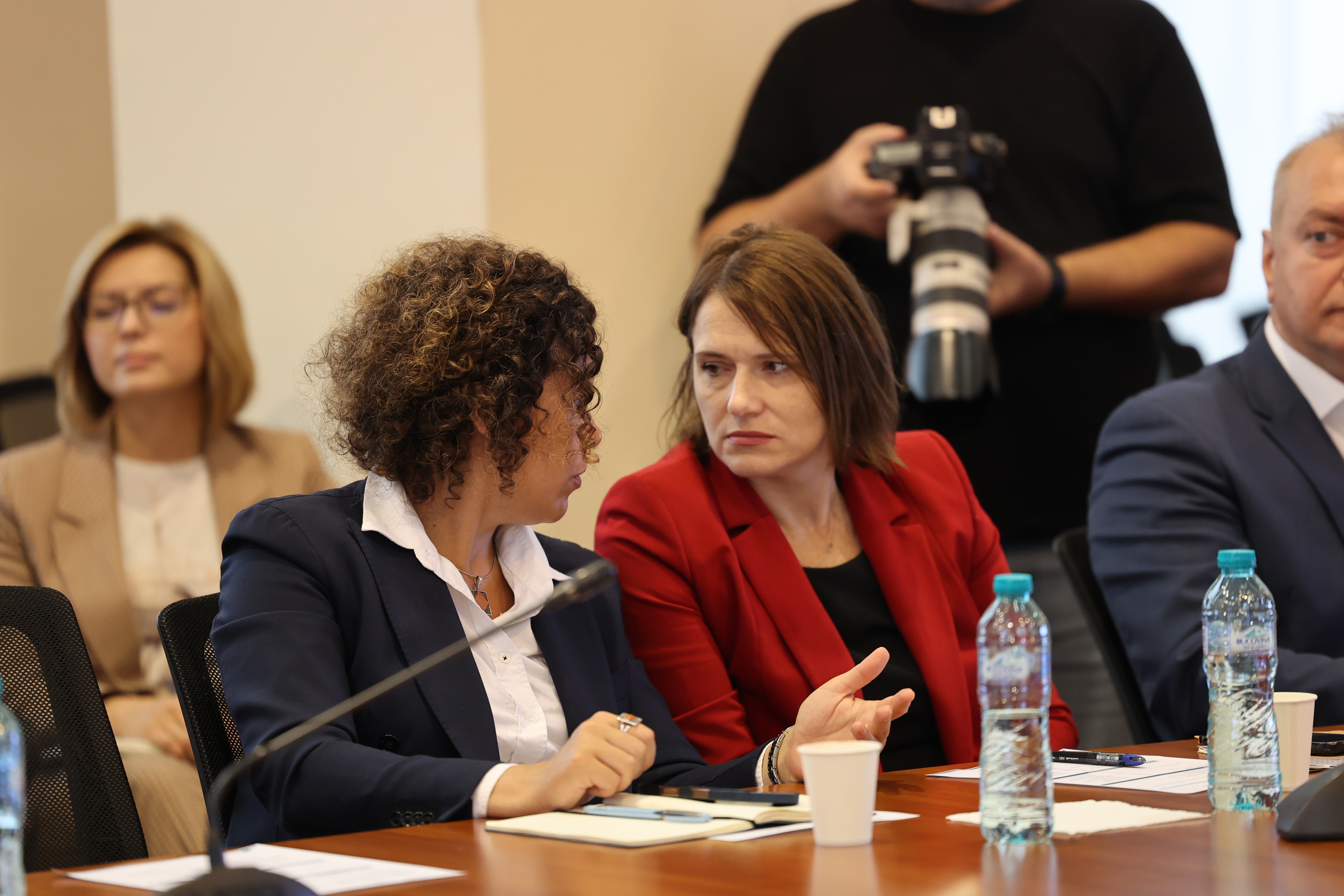
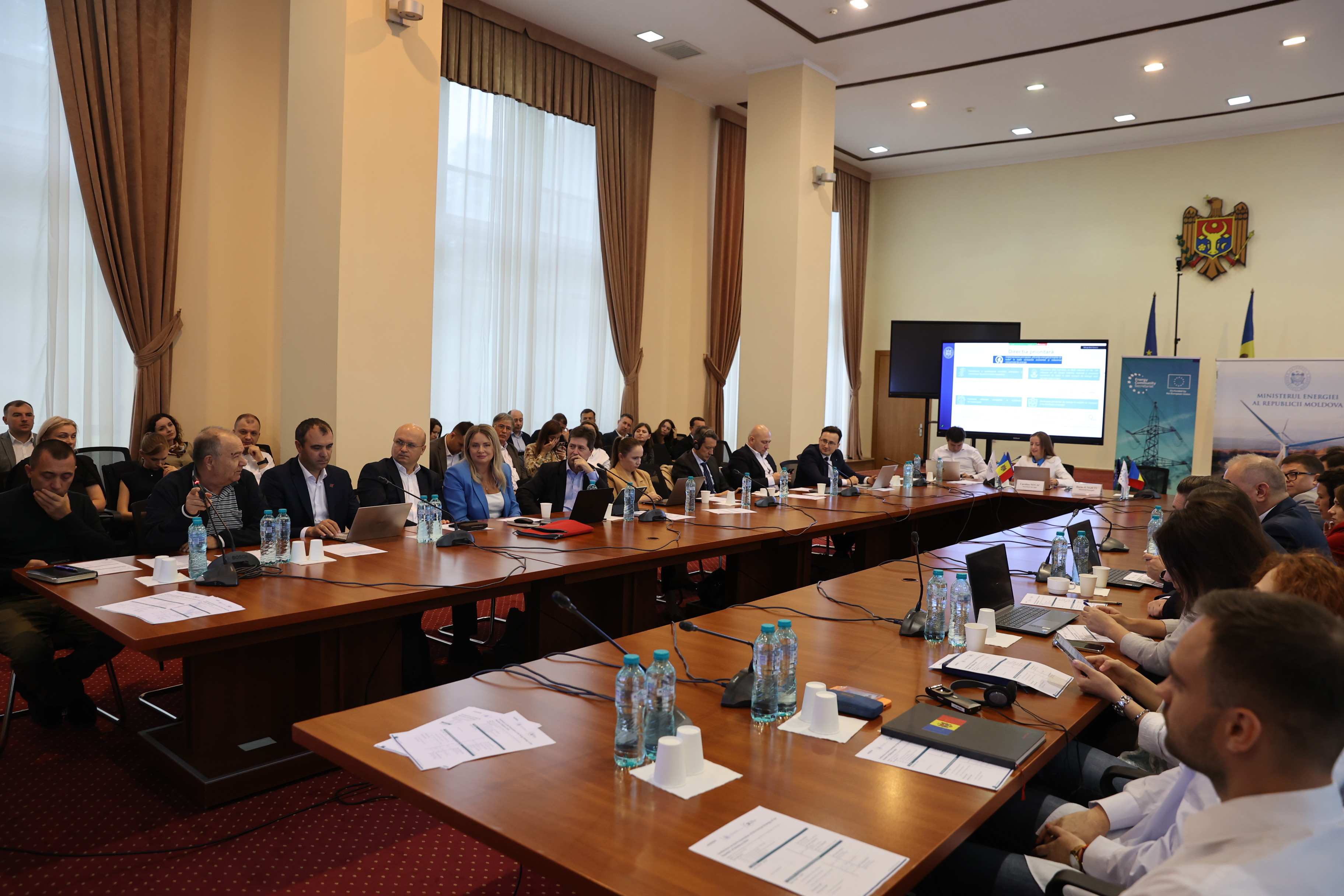
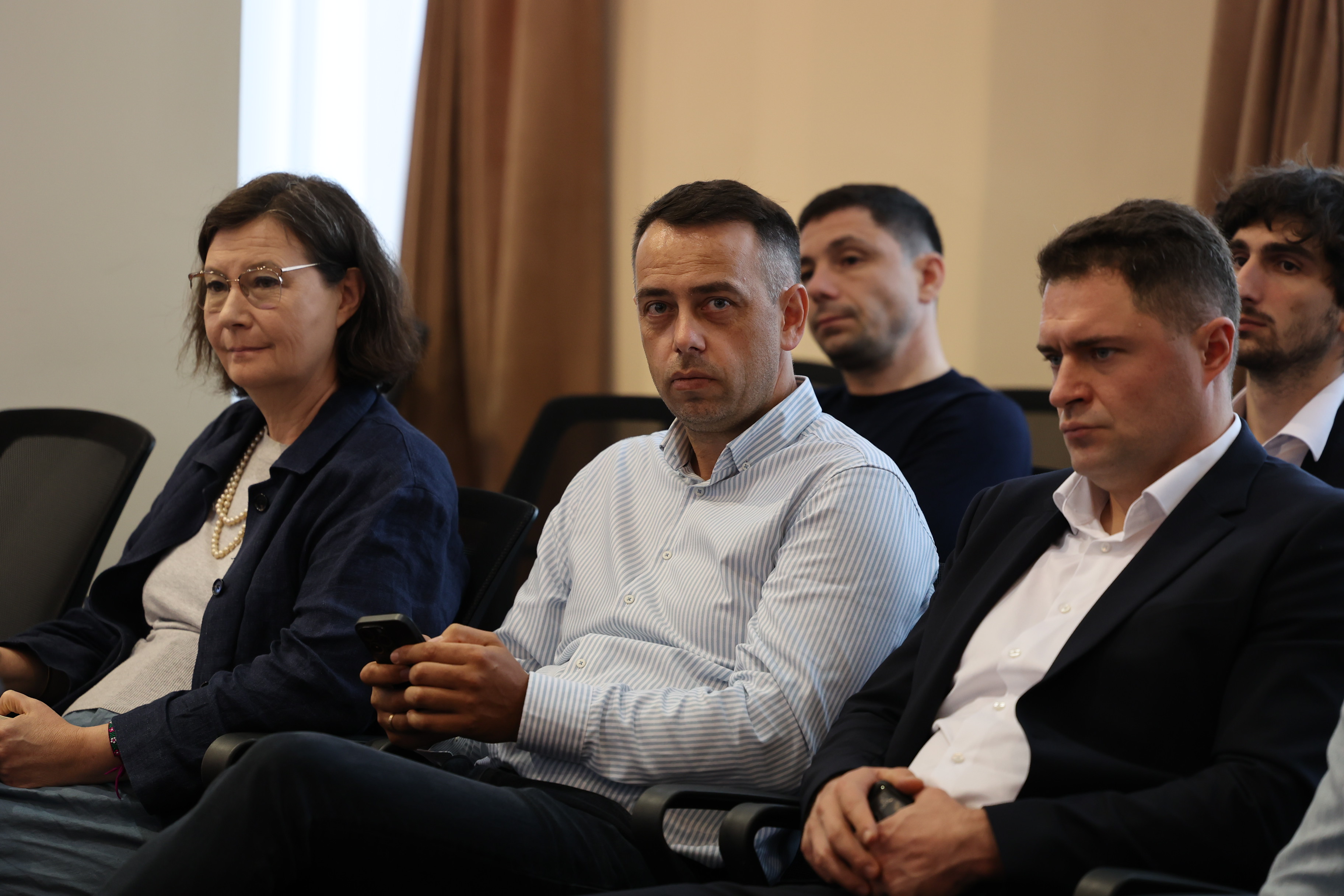
The Ministry of Energy presented the draft Energy Strategy up to 2050 during a public event, with the participation of key stakeholders from the public and private sectors, civil society, as well as development partners.
The Energy Strategy of the Republic of Moldova until 2050 aims to ensure the transition to a secure, sustainable, efficient, and competitive energy system. The draft introduces a series of essential new elements that distinguish this vision from previous strategies. According to the document, the share of electricity produced from zero-carbon sources is expected to reach 85% of total domestic production by 2050, while around 90% of the country’s electricity demand will be covered by domestic renewable sources – solar, wind, biomass, and high-efficiency cogeneration.
The Strategy proposes adapting the regulatory and institutional framework to recent European requirements, by gradually aligning national energy sector development objectives with the provisions of the “Fit for 55” and “REPowerEU” legislative packages.
At the same time, the Strategy promotes mobilizing European funds and attracting private investment through the development of an energy renovation fund for buildings and the implementation of the SuperESCO model for energy efficiency in the public sector. The introduction of sustainability and innovation criteria in public procurement is intended to stimulate the adoption of clean technologies and support the green economy.
To implement the strategy, investments of €43 billion are estimated for new renewable electricity generation capacities, building renovations and the transition to sustainable electric heating, the decarbonization and modernization of district heating, electrification and green infrastructure in the transport sector, as well as for energy efficiency, digitalization, hydrogen, storage, and research & development.
All these action areas are accompanied by concrete solutions, based on long-term modeled energy scenarios, the results of consultations with experts and relevant stakeholders, as well as lessons learned from the European integration paths of other countries.
Achieving the proposed objectives would result in savings of over €4 billion from reduced natural gas consumption, a 30% decrease in operating and maintenance costs, and annual savings estimated at €355 million in 2030 and over €1 billion in 2050. At the same time, economic modeling indicates that the energy transition and implementation of the strategy will contribute to an additional annual GDP growth of around 2%.
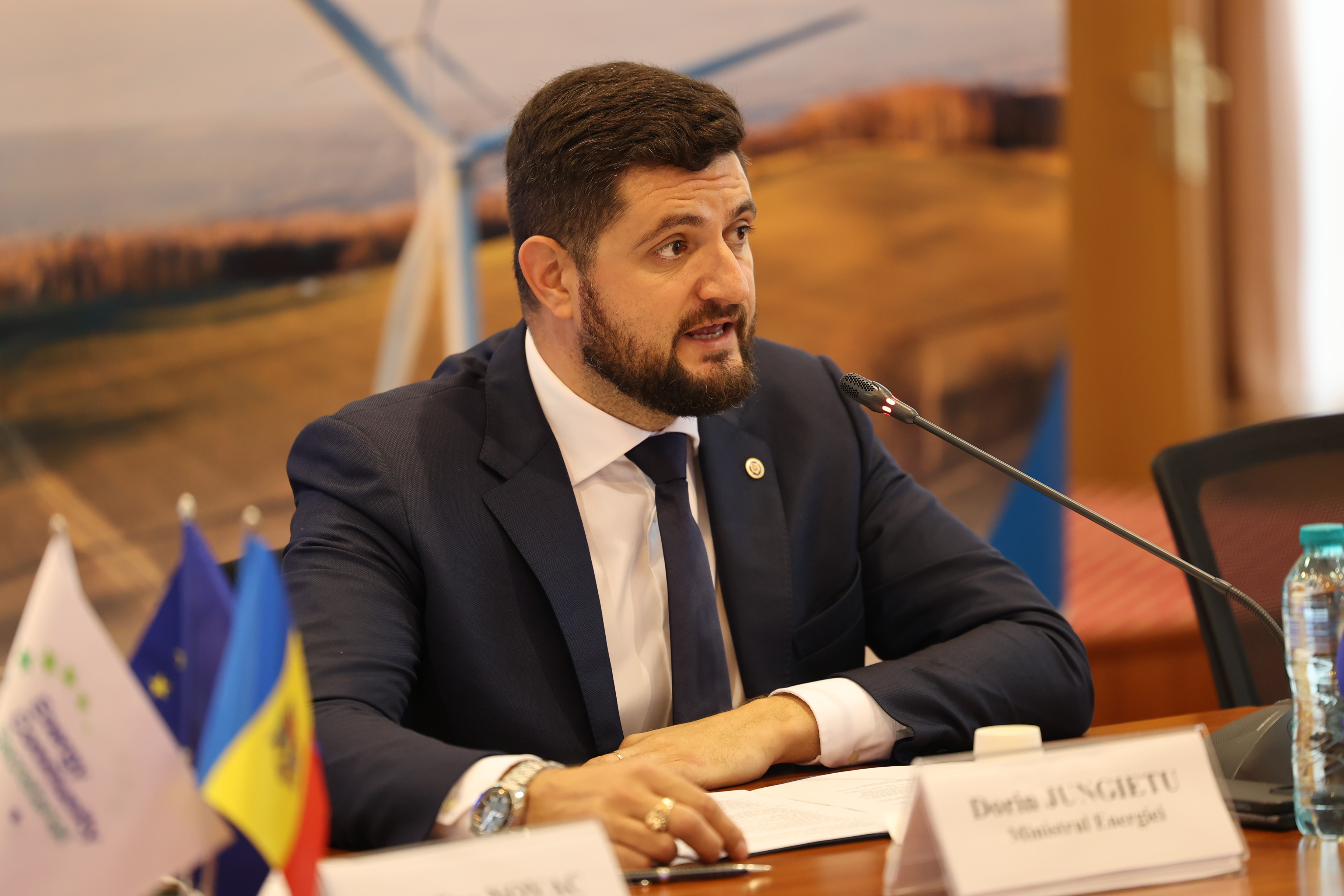
“The importance of energy for all of us lies in the value it creates for consumers – light, heat, the ability to cook a family dinner, or to have access to the internet and communication with loved ones. Energy infrastructure involves major costs, and for this reason it must be planned long-term, taking into account the evolution of the entire economy and the sectors that consume the most energy, the needs of the population, and various external factors that may influence the system. Such an exercise has been carried out over the past three years with the support of the Energy Community Secretariat,” said the Minister of Energy, Dorin Junghietu.
At the opening of the event, the Director of the Energy Community Secretariat, Artur Lorkowski, stated that the launch of the Energy Strategy 2050 creates the premises for a secure and sustainable energy future for the Republic of Moldova, while also being a European strategy in both spirit and content. He stressed that the document prioritizes efficiency, turns clean energy into a driver of development, and guarantees citizens’ prosperity through a just and inclusive transition. Lorkowski also noted that the Republic of Moldova is strengthening its role as a leading contracting party of the Energy Community Treaty and is accelerating its path as a candidate country to the European Union.
The document estimates that approximately 35,000–40,000 new jobs will be created by 2050 in fields such as renewable installations, energy efficiency, network services, digitalization, and research & development.
The draft Energy Strategy can be consulted on the portal particip.gov.md at the link: https://shorturl.at/6Bh3Y
Images