Government Approves First Innovative Testing Project within Moldova’s Energy Sandbox
- 482 reads

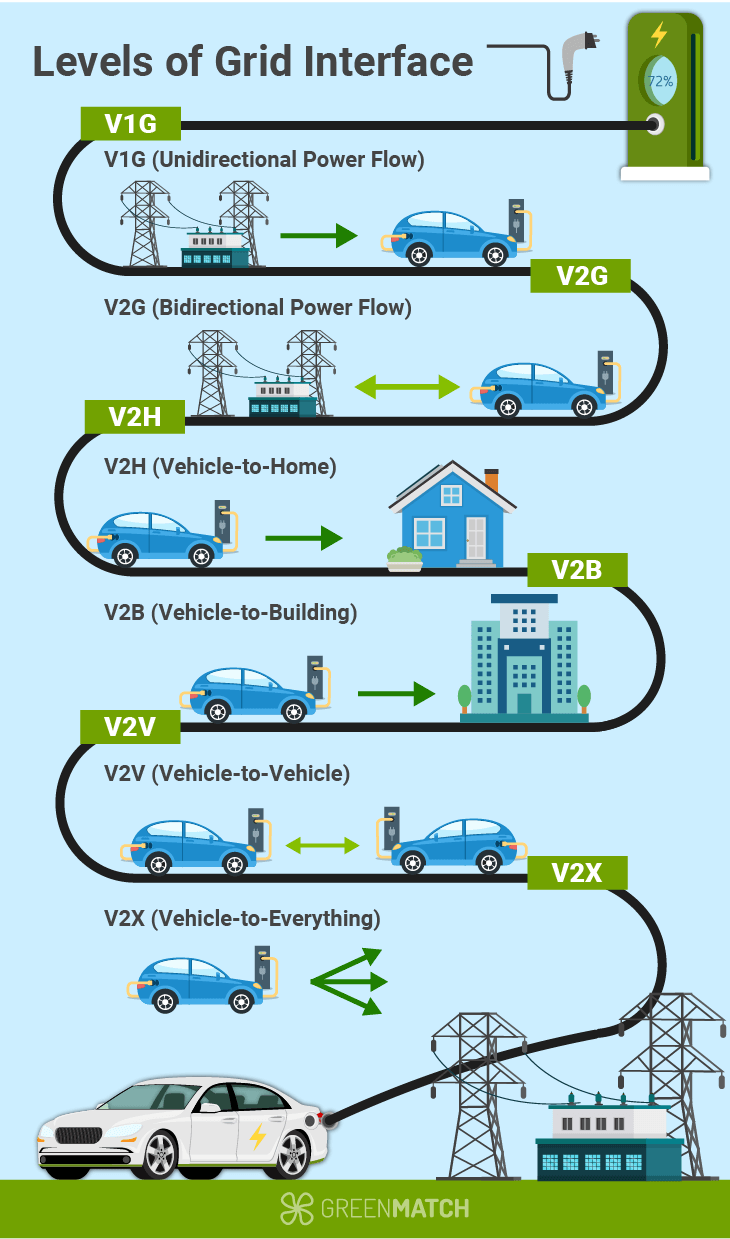
The Government of the Republic of Moldova today approved the conditions for implementing the first innovative testing project in the energy sector under the Energy Sandbox mechanism. The pilot project is titled “Vehicle-to-Grid: Testing Smart Charging Solutions and Bidirectional Energy Flow (V2G)” and aims to test the functional use of Vehicle-to-Grid (V2G) technology, which allows bidirectional flow of electricity between an electric vehicle and the energy grid.
This is the first project approved under the Energy Sandbox mechanism not only in Moldova but also at the regional level, positioning the country as a pioneer in testing innovative solutions that connect electric mobility with the energy market and power system operations.
V2G technology transforms the electric vehicle from a simple energy consumer into an active participant in the energy system. Through smart charging solutions, digital control, and modern energy management platforms, electric vehicles can feed electricity back into the grid, respond to system signals, and help balance electricity consumption and generation.
“We are talking about the evolution from the classic prosumer to the mobile prosumer. The electric vehicle becomes a flexible, digitally connected resource capable of supporting grid operations and integrating renewable energy. The battery is no longer just a consumption element but a distributed energy storage resource,” said Cristina Pereteatcu, State Secretary at the Ministry of Energy.
In practice, this means that an electric vehicle can charge during periods of energy surplus, deliver electricity back to the grid during peak demand, and, at a later stage, actively contribute to balancing the power system, including during peak hours.
The project is purely experimental and educational. The focus is on evaluating the technical, digital, and regulatory aspects of V2G solutions without introducing immediate commercial mechanisms. Through this approach, the Ministry of Energy aims to gather real-world data and practical experience necessary for potential future adjustments to the regulatory framework.
In this context, the project introduces temporary exemptions from the current unidirectional electricity flow regime established by national legislation, which does not yet regulate bidirectional energy exchange or the operation of electric vehicles as distributed energy storage resources.
Thus, the non-governmental organization “Green City Lab Moldova” will receive, for the three-year project implementation period, exemptions from certain provisions of Law no. 164/2025 on electricity and its subordinate regulations. The exemptions cover temporary grid connection of the equipment involved in the project, bidirectional measurement and accounting of energy flows, application of experimental flexibility tariffs, and controlled participation of electric vehicles in balancing and energy storage services.
Through this project, Moldova is testing not only an emerging technology but also a new digital model for operating the energy system at the intersection of energy and transport, oriented toward flexibility, efficiency, and innovation, in line with European integration and energy transition objectives.
Images