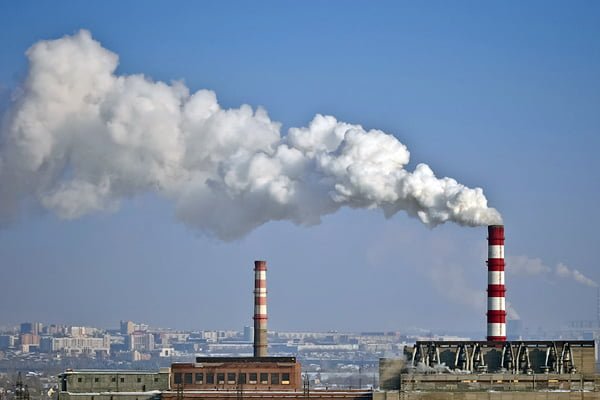
International Experts Present Feasibility Study Results for the Modernization of Termoelectrica
- 1181 reads

Within the framework of the Second Project for Improving the Efficiency of the Centralized Thermal Energy Supply System (PIESACET-2), financed by the World Bank, a feasibility study was developed for the creation of new electricity and thermal energy generation capacities at Termoelectrica S.A. The study was conducted by international experts from North Macedonia, Croatia, and the United Kingdom.
According to the study’s recommendations, the priority investment is the construction of a new high-efficiency cogeneration plant on the territory of CET Sursa-1 in Chișinău. The plant will have an electrical capacity of approximately 250 MW and a thermal capacity of approximately 180 MW, and will include a thermal energy storage facility with a capacity of 1,200 MWh. The new plant will operate on natural gas and, in the future, will have the potential to use hydrogen.
The study also recommends integrating other renewable energy sources, such as solar collectors and heat pumps, as well as energy recovery from waste and the use of electric boilers during periods of electricity surplus. These solutions will allow SACET Chișinău to provide thermal energy and hot water efficiently and sustainably to all consumers in the municipality.
The feasibility study analyzed Termoelectrica’s infrastructure, financial situation, energy demand for the next 25 years, and several technical alternatives for the new plants. Following the assessment, the experts identified the most suitable solution to ensure efficiency, flexibility, and reduced environmental impact.
The construction of the new plant will contribute to the energy security of the Republic of Moldova, ensure the stable operation of SACET, integrate renewable energy sources, and support the decarbonization of the energy sector. Furthermore, the development of Chișinău’s centralized thermal energy supply system (SACET) will serve as a platform that can deliver to consumers not only the thermal energy produced in cogeneration but also energy from various RES, waste-to-energy sources, residual heat from certain industrial processes, and cooling installations.
The estimated timeframe for the construction of the new plant and the thermal energy storage facility is by 2030.
The modernization process for energy generation capacities has already begun: the oldest plant in Chișinău – CET Sursa-2 (formerly CET-1), built in the 1950s–1960s, is planned to be decommissioned in the coming years, following the construction and commissioning of two new high-efficiency cogeneration plants based on gas engines, with a total electrical capacity of at least 55 MW and a thermal capacity of at least 50 MW, already planned under PIESACET-2.
One of the objectives of the feasibility study was to identify modern solutions and technologies to replace the generation units at CET Sursa-1 (formerly CET-2), the most important cogeneration plant in Chișinău and in the Republic of Moldova. The energy units at CET Sursa-1 were commissioned between 1976–1980, exceeding the intended operational lifespan of the main equipment.
Details here: 2025_08_15_studiu_de_fezabilitate_b1.6_-_proiect_de_sinteza_pentru_publicare.pdf
Images