Investors in Electricity Storage Systems to Benefit from Tax and Customs Incentives
- 202 reads

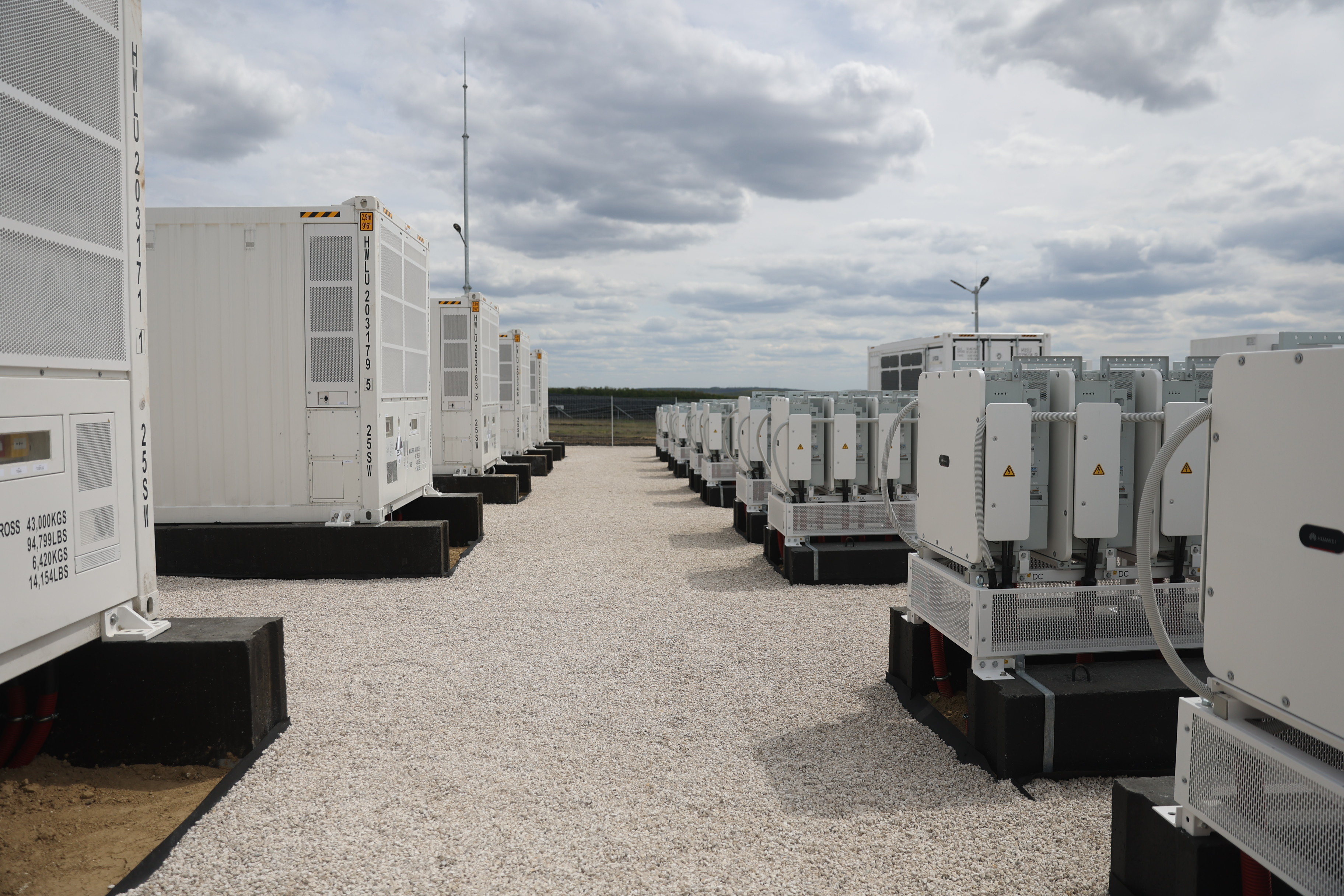
Investors developing battery energy storage systems (BESS) could benefit from import duty relief for equipment, provided that the systems are commissioned within 20 months. The measure is part of the Government’s amendments to the 2027 fiscal and customs policy and is due to be examined by Parliament in its second reading.
Under the proposed mechanism, if the equipment is commissioned within the established deadline and the investor obtains the necessary grid connection documents, the obligations related to the import would be discharged in accordance with the law.
The measure aims to reduce the initial costs of investing in energy storage systems and encourage the development of the capacity needed to balance the Republic of Moldova’s electricity system.
According to preliminary estimates, based on an installed cost of EUR 200,000 per MWh, the incentive could amount to approximately EUR 40,000 per MW. For a 20 MW project, the savings on import duties could reach approximately MDL 16 million.
The savings would allow investors to redirect funds towards other projects and the development of energy storage infrastructure.
BESS enable electricity to be stored and supplied when needed, helping integrate renewable energy sources and increase the flexibility of the electricity system. Developing these capacities is becoming increasingly important as solar and wind power generation expands.
As of the end of August 2026, 15 energy storage installations with a total capacity of 242.85 MWh were connected to Moldova’s electricity grids.
Interest in new investments is growing. In the 2026 auction for wind power projects combined with energy storage systems, 16 bids were submitted, representing approximately 424 MW of wind power capacity and 305 MWh of storage capacity, exceeding the volumes envisaged in the auction.
These systems make it possible to store electricity generated during periods of surplus and use it during peak demand hours, helping balance the electricity system and integrate renewable energy sources.
Images