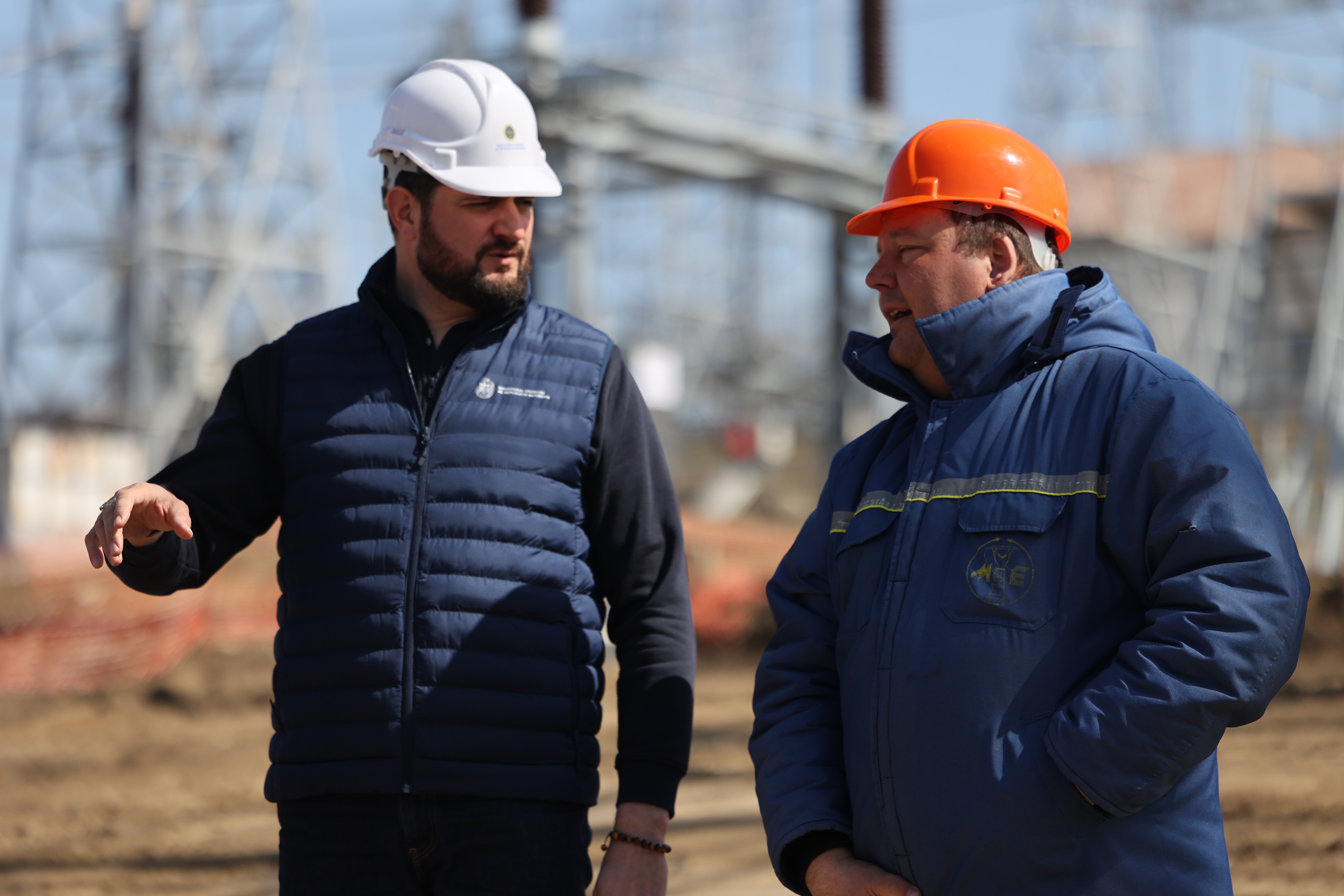
Minister of Energy Dorin Junghietu on an unannounced visit to the Vulcănești Electrical Substation
- 171 reads


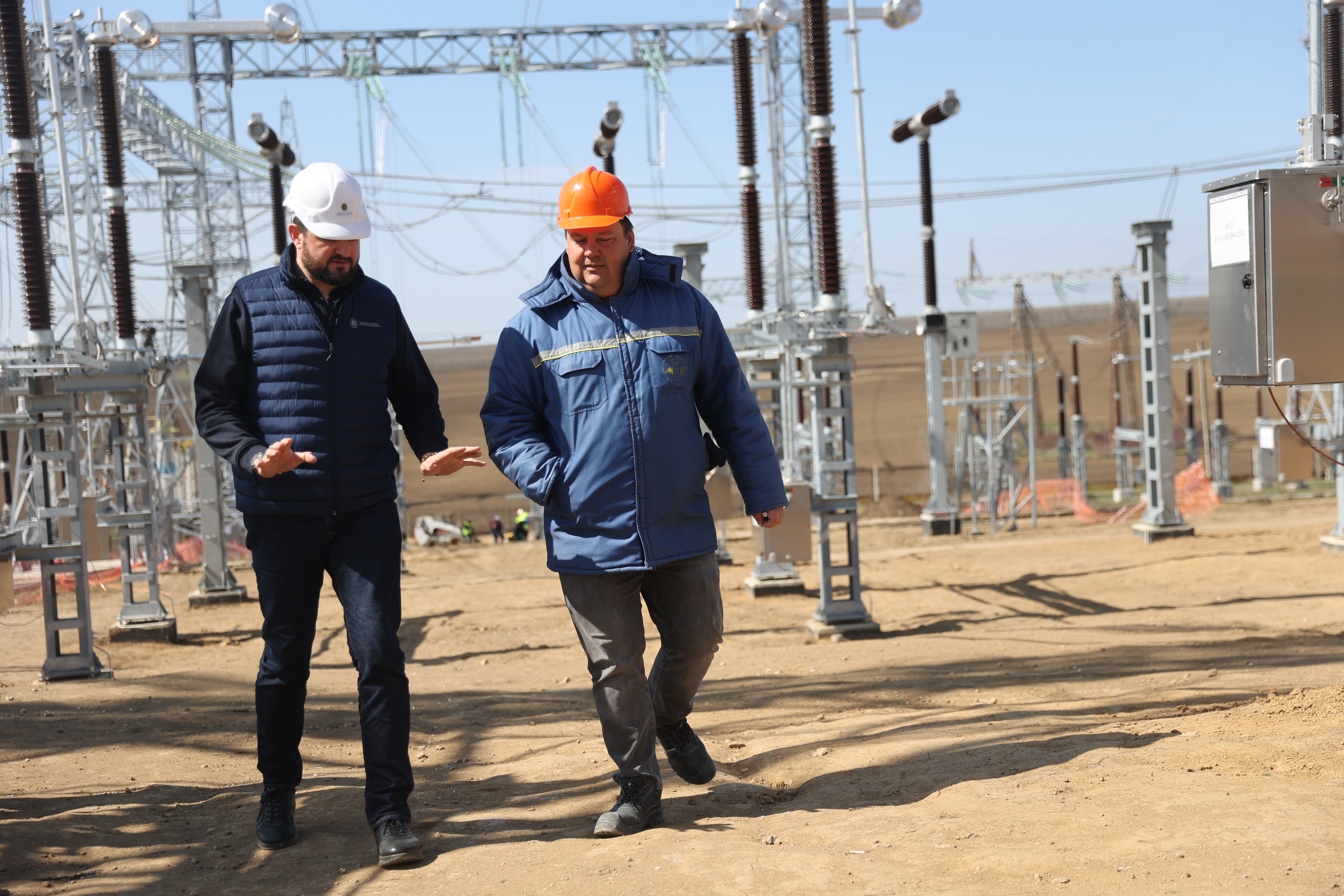
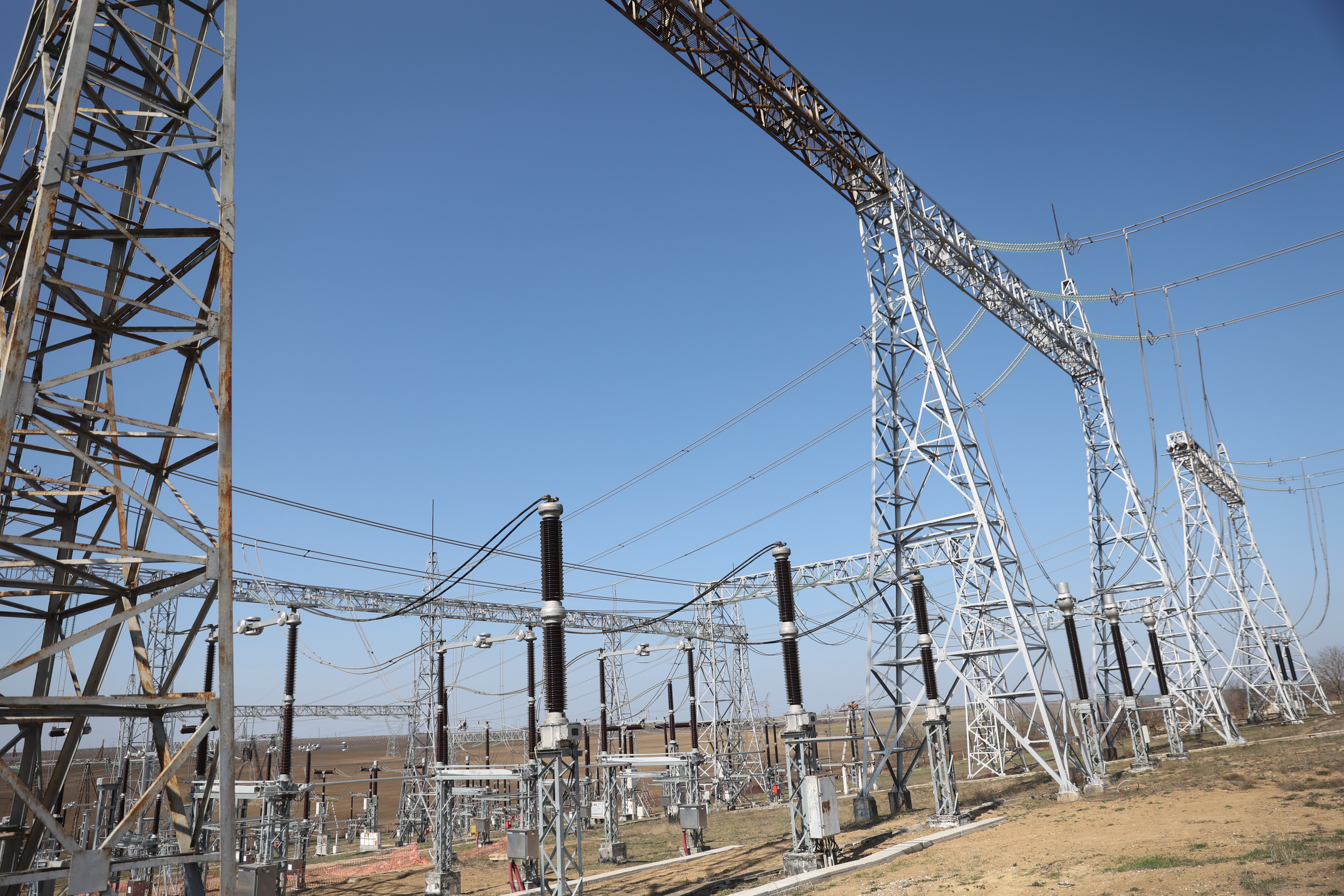
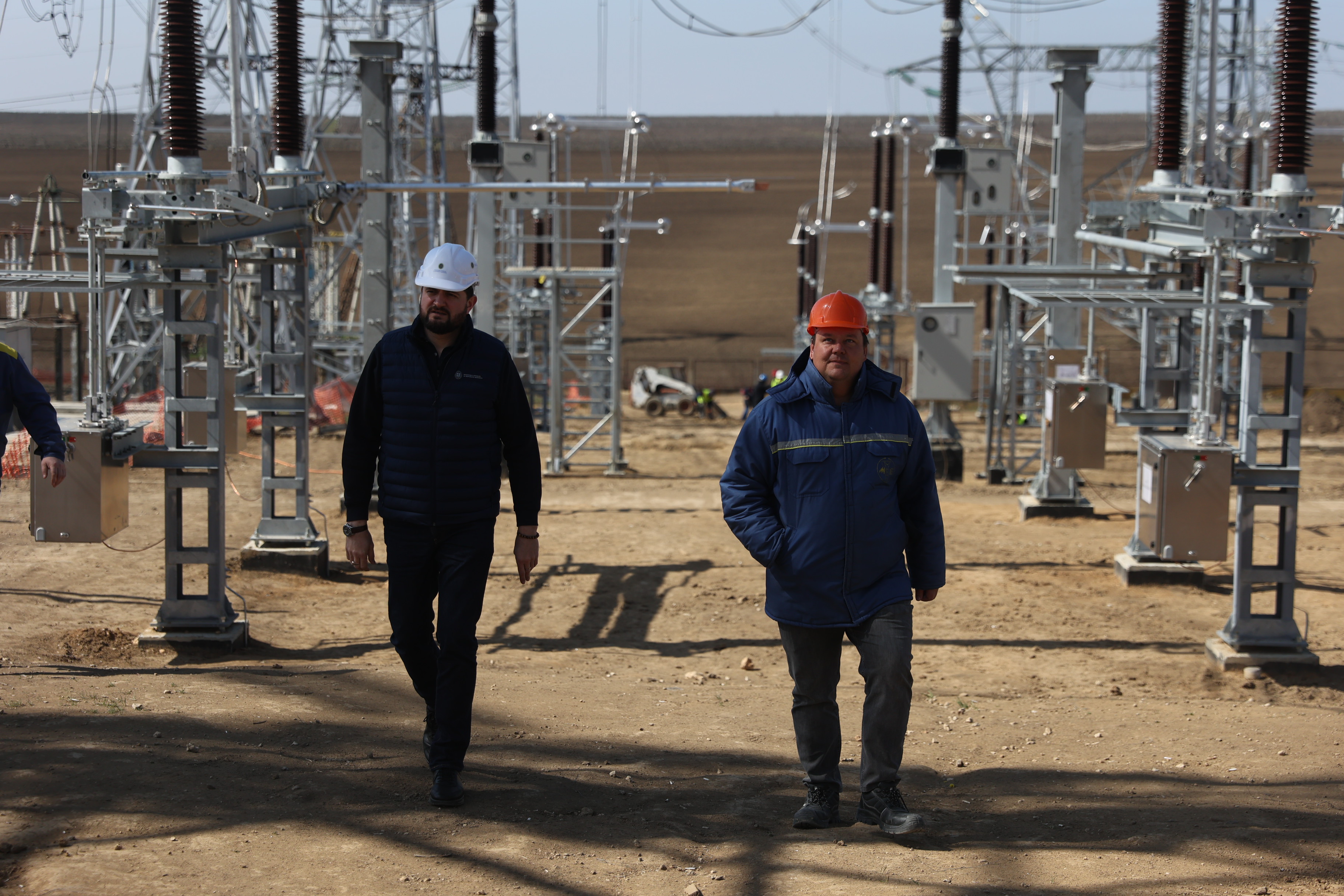
Minister of Energy Dorin Junghietu carried out an unannounced visit today to the Vulcănești Electrical Substation, part of the 400 kV Vulcănești–Chișinău Overhead Power Line.
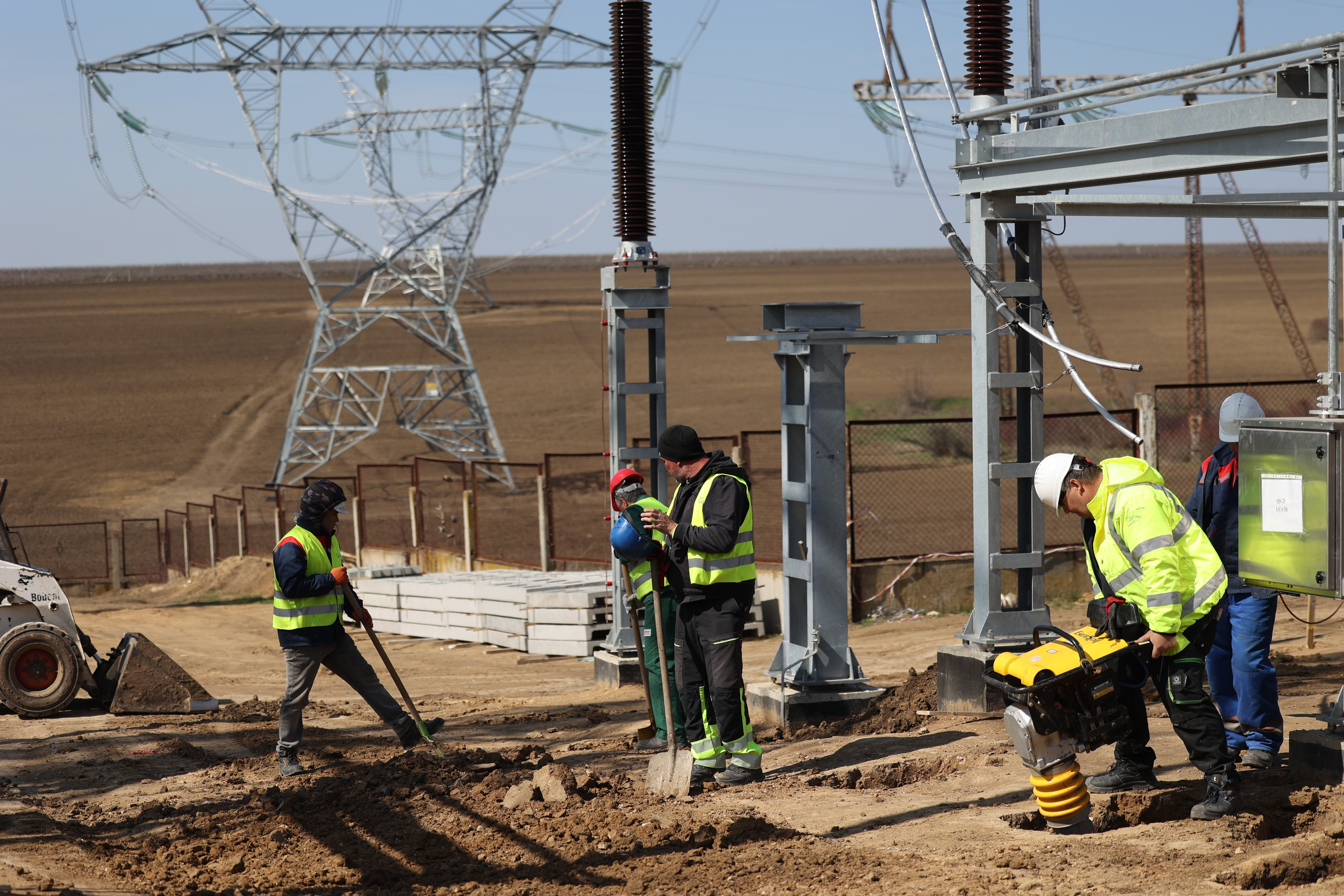
The minister inspected the progress of construction works and spoke with station representatives, emphasizing the need to meet established deadlines and accelerate the pace of work. Dorin Junghietu reiterated that this project represents an investment in critical state infrastructure, with a direct impact on the energy security of the Republic of Moldova.
“For us, it is essential that the electrical substations are completed on time and fully equipped. Field teams must intensify the pace of work and recover any possible delays. We will not allow major delays; we are monitoring progress daily across all construction sites,” the minister stated.
In this context, work teams reported progress at the Vulcănești Substation: conductor busbars have recently been installed to enable connections to most primary equipment, and all protection relay panels have been installed in the control room.
At the same time, station personnel reported that Russian attacks on critical infrastructure in Ukraine are being felt and even visually observed from the substation area.
Construction works on the overhead power line itself were fully completed ahead of schedule in November, marking significant progress in project implementation.
Meanwhile, at the Chișinău Electrical Substation, work continues on the installation of busbars on the 330 kV side, which have already been mounted above the autotransformers. Assembly work on the protection container has also begun, and cable trench installation is planned in the coming period.
It should be noted that the Vulcănești–Chișinău Overhead Power Line, with a length of approximately 157 km, includes around 500 pylons and approximately 1,500 km of conductors across its three phases, ensuring a strategic connection between the south and the center of the country.
The project crosses eight districts and 35 localities and is being implemented under the Electricity System Development Project, financed by the World Bank Group. The total investment amounts to approximately 61 million euros, of which around 27 million euros are allocated for the construction of the power line.
Images