Minister of Energy Victor Parlicov discussed with EU ambassadors on preparing the energy sector for winter
- 1001 reads


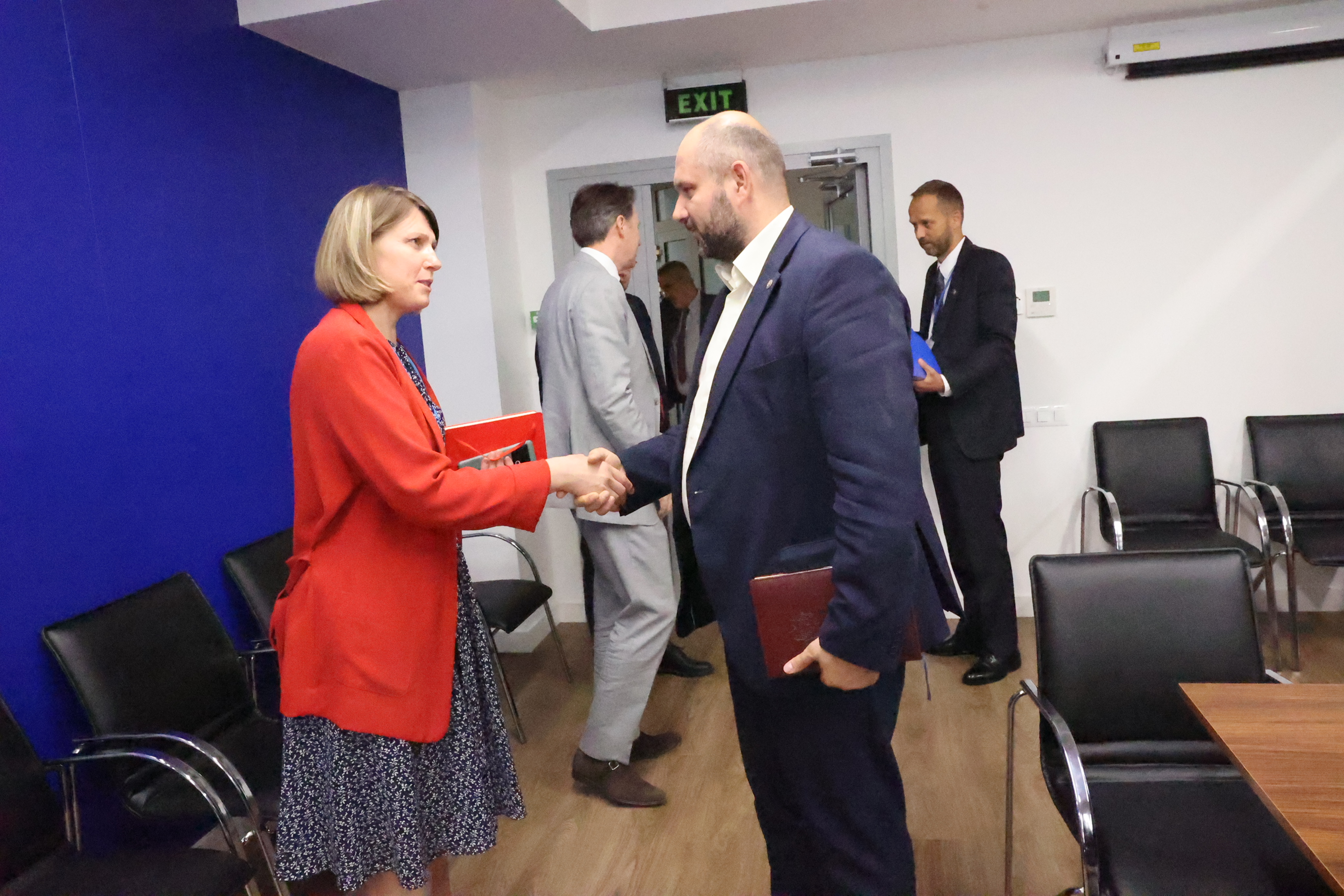
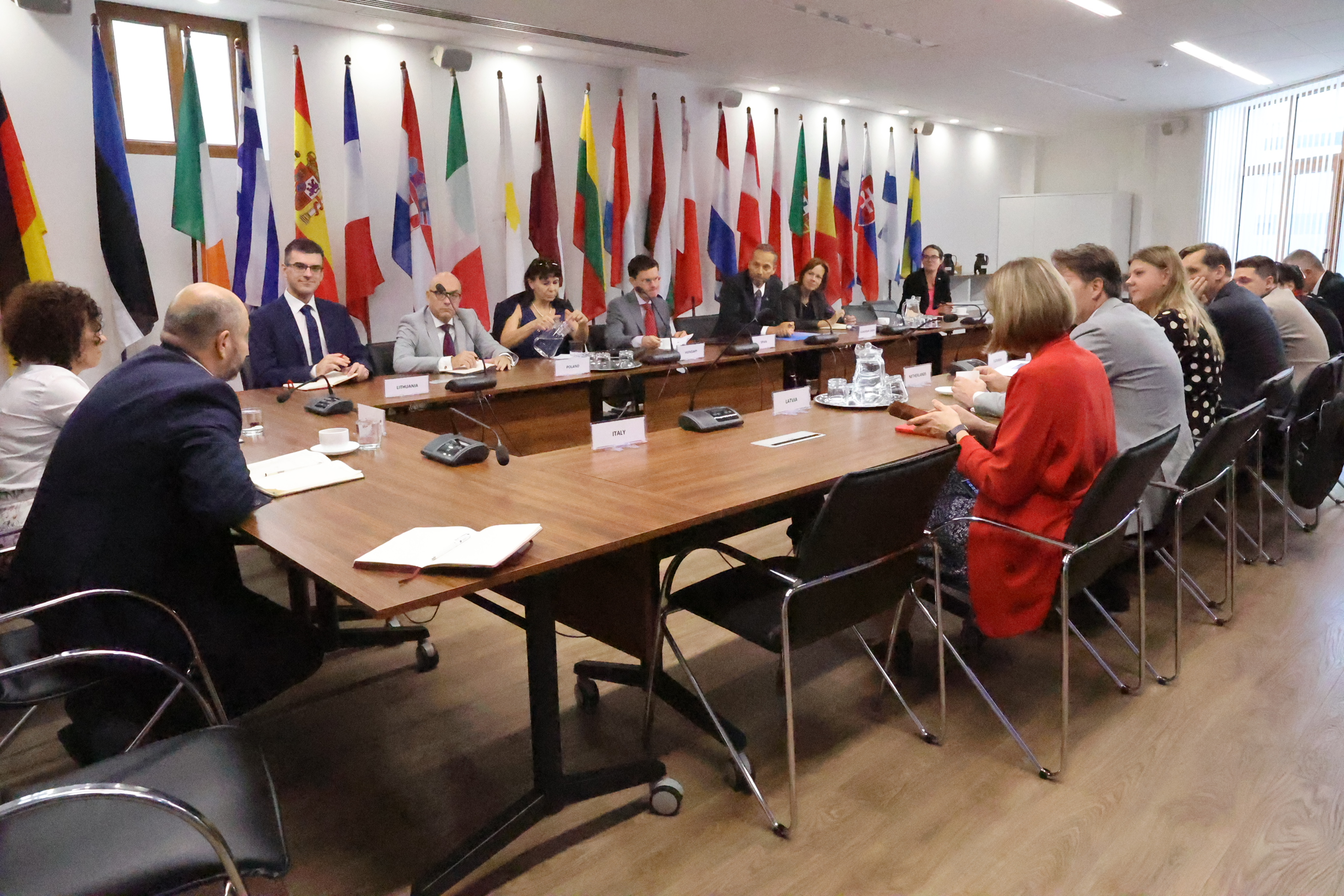
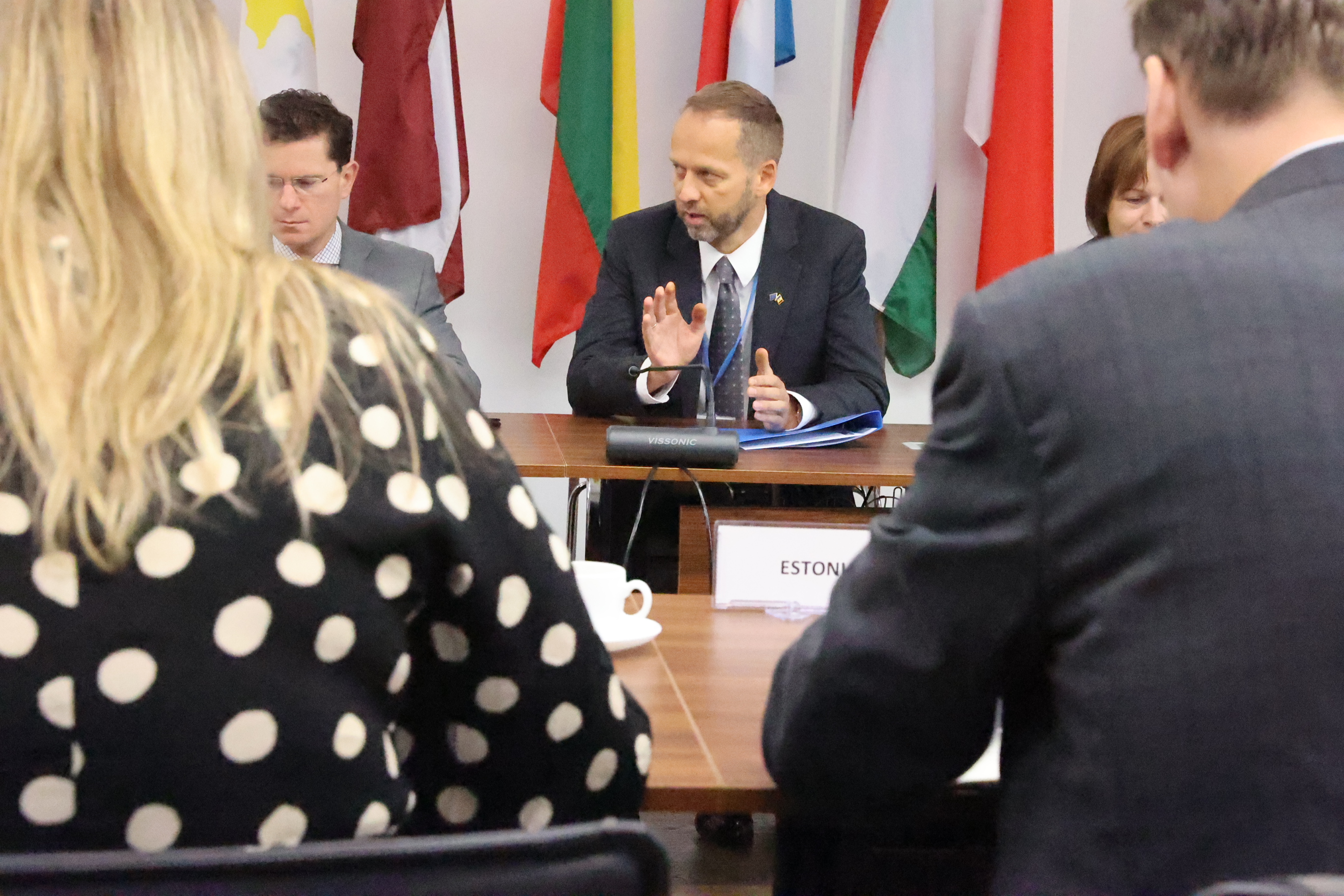
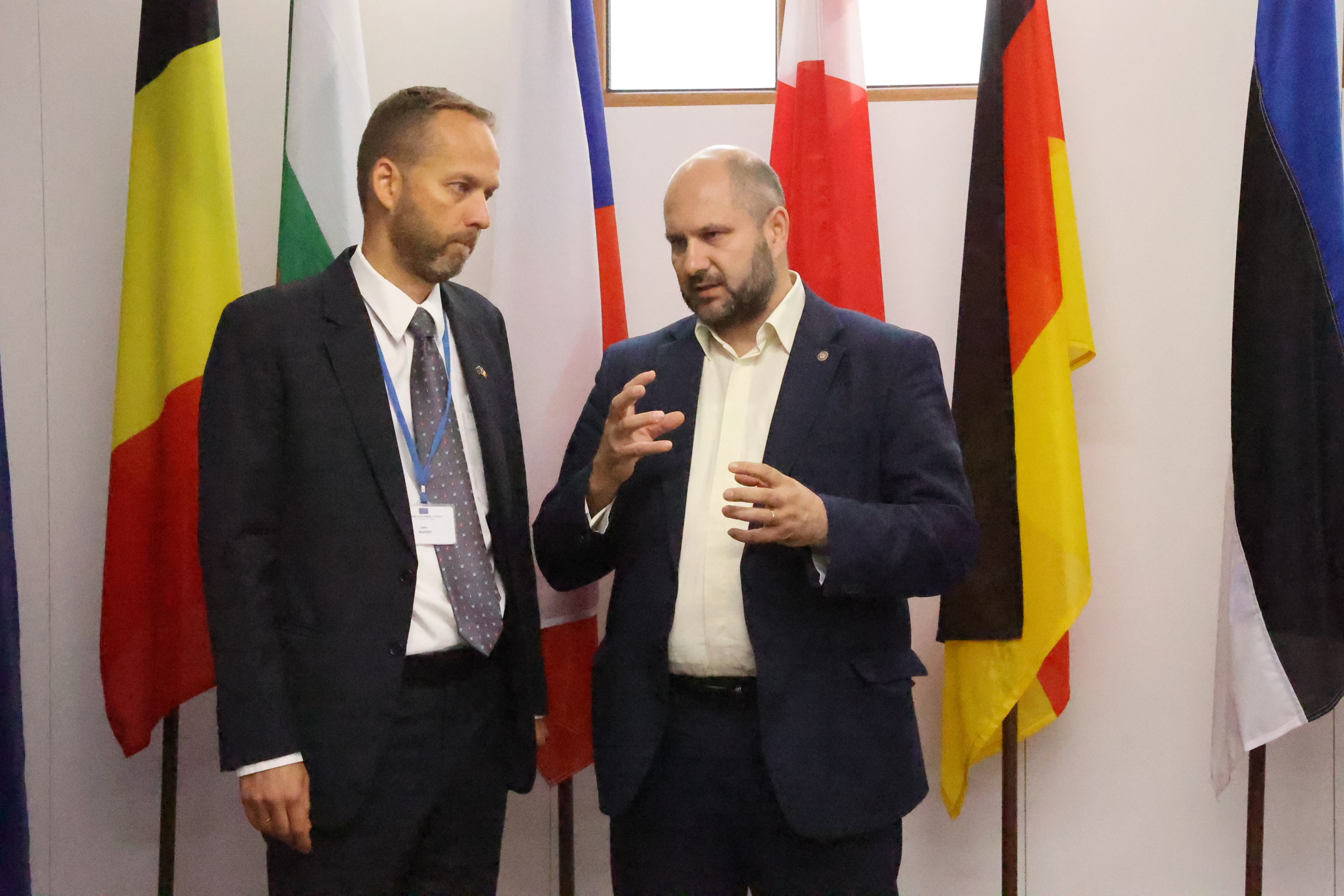
During a meeting with EU ambassadors in Chisinau, Energy Minister Victor Parlicov explained the scenarios that the Moldovan government is considering in order to prepare for the coming winter. He also answered questions related to the unbundling of the gas transportation system operator, as well as those related to the audit of Moldovagaz's historical debts to Gazprom.
In order to succeed in reducing gas tariffs in the next heating season, the Ministry of Energy has insisted on purchases of considerable volumes of gas in the summer, when prices are better than in the height of the cold season. Some of the gas has been bought and stored in Ukraine and Romania, other quantities have been contracted or are forthcoming. In this context, Minister Victor Parlicov informed that the decision of the Commission for Exceptional Situations (CSE) of Wednesday, September 13, which stipulates that in order to ensure energy security, but also to provide consumers with gas at affordable prices, the capacity of the Trans-Balkan corridor will be increased.
Since last December, the Republic of Moldova on the right bank of the Nistru River has been consuming only non-Russian gas, which is usually transported through the Trans-Balkan corridor in reverse mode (Greece, Bulgaria, Romania). As there is now an increased interest in this new route from several operators and the volume is limited, the CSE has intervened to supplement the gas transport capacity, and until November 1, as an exception, this new capacity created will be used by Energocom.
"We are increasing capacity and will pay part of the costs. The decision will not affect deals between traders for existing capacity. We will simplify customs procedures and we will be happy that later this new route will be used by other market participants," the Energy Minister said.
For long-term prospects, Victor Parlicov said that the ministry aims to move forward on energy interconnection projects with Romania to reduce dependence on the Dnestrovsk power plant, electrification in general, including electrification of transportation. "The battery of an electric car can power a household for a week to a week and a half. We are thinking of subsidizing the installation of inverters for households that want to switch to electric cars. The more electric cars we will have, the more we will increase consumption, which is a constraint for us now, and we will be able to integrate more renewable energy into the grid," Minister Parlicov gave details.
The EU Ambassador to Moldova, Janis Mazeiks, noted the progress made in the energy sector over the past year. She also said that all issues related to the transposition of the EU acquis on electric mobility can be handled in the energy community.
Images