The Ministry of Energy Conducted a Study on the Geothermal Potential of the Republic of Moldova
- 1796 reads

The geothermal potential of the Republic of Moldova has been systematically analyzed in a study that also proposes a strategy for developing the sector. According to the study, geothermal energy has the potential to play a significant role in Moldova’s energy mix, with a focus on the horizon up to 2035. By implementing this strategy, Moldova could reduce its dependence on external energy sources, contribute to combating climate change, and stimulate sustainable economic development.
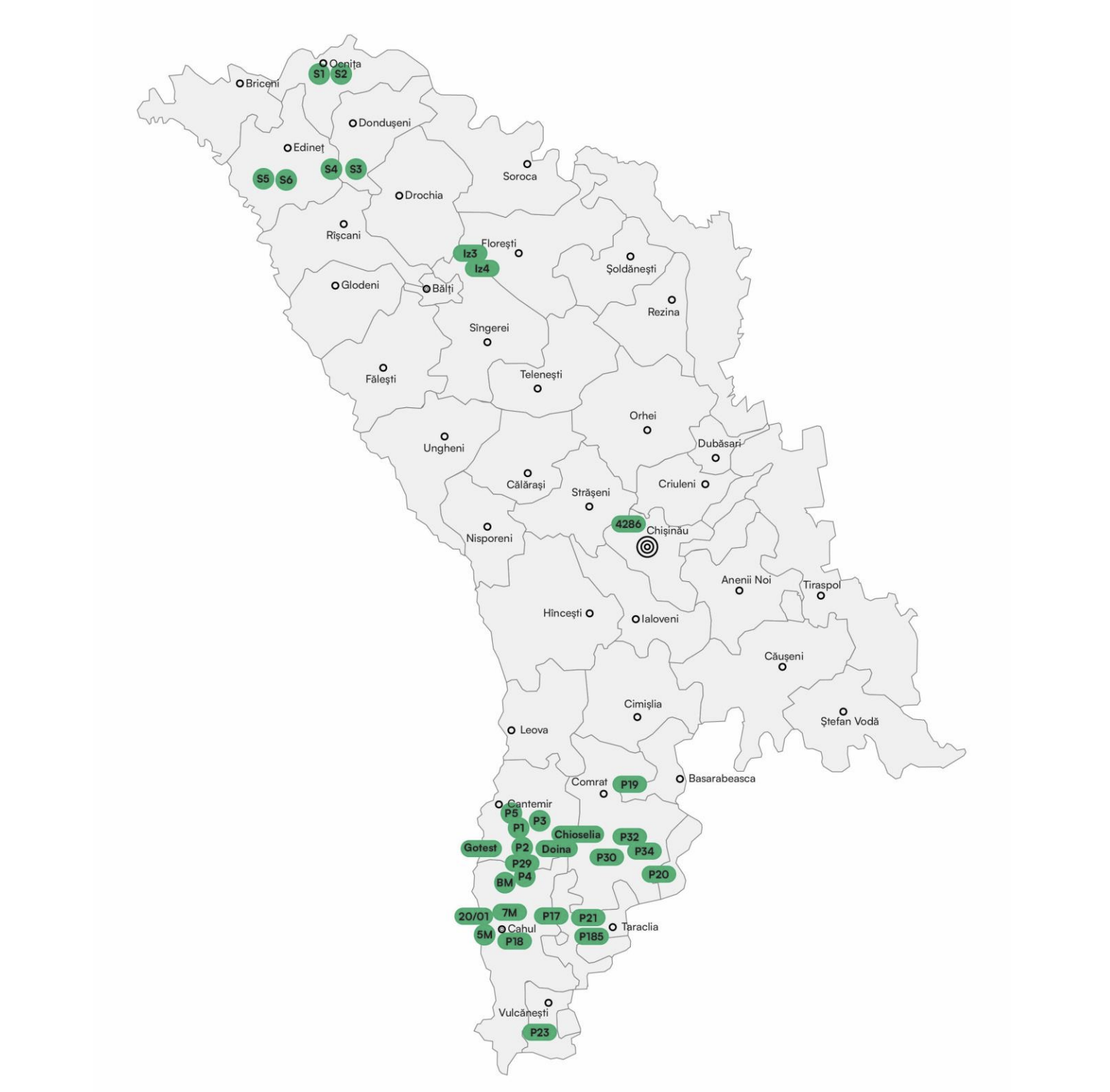
The document examines existing wells and their technical documentation from the archives of the Agency for Geology and Mineral Resources. It finds that shallow geothermal sources can be used to ensure thermal comfort in residential, commercial, or industrial buildings, as well as for cooling spaces during the warm season using the same infrastructure. Meanwhile, deep geothermal sources can be utilized for heat production for urban networks and industrial applications (processes that use steam, hot air, or hot water), agricultural applications (greenhouse heating, aquaculture, drying), and recreational applications (swimming pools, aquatic centers, steam baths).
Shallow geothermal energy represents an efficient and sustainable technological solution, utilizing geothermal resources at temperatures below 30°C, typically found at depths of up to 400 meters. Deep geothermal energy exploits underground water reservoirs with temperatures ranging from 30°C to 200°C, usually found at depths between 500 and 3,000 meters.
The document proposes a series of pilot projects for geothermal heating and energy production in urban areas between 2027 and 2029, testing the integration of geothermal systems with the existing energy infrastructure. These projects include wells in the municipality of Chișinău (Chișinău Street, Ghidighici – providing temperatures of up to 53°C at a depth of 1,140m), in Cahul (depths of 500-600m), and wells in the villages of Gura Căinarului and Mărculești, Florești district.
Between 2030 and 2033, the expansion of geothermal heating systems in municipalities and rural areas is planned, along with the construction of new geothermal power plants. The estimated costs for developing the geothermal sector amount to approximately €300 million over 12 years, covering construction, installation, and/or modernization of the necessary thermal heating infrastructure.
Additionally, the authors of the study propose conducting a series of comprehensive geological and feasibility studies, developing a detailed geothermal resource map, and creating a legal and regulatory framework for the sector.
The study was conducted with the support of the United Nations Industrial Development Organization (UNIDO) and the Global Environment Facility. It is available for consultation on the website of the Ministry of Energy.
Images