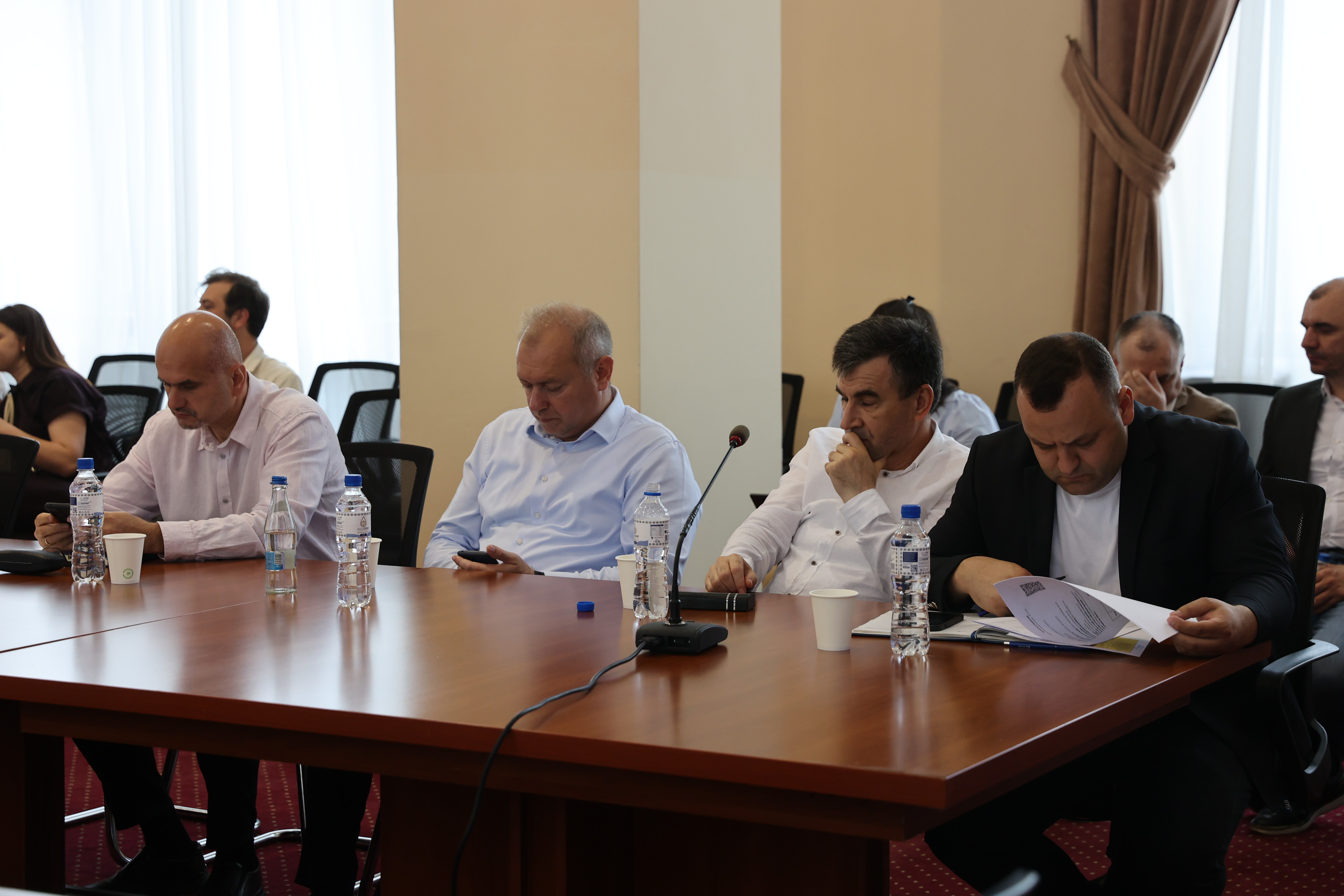
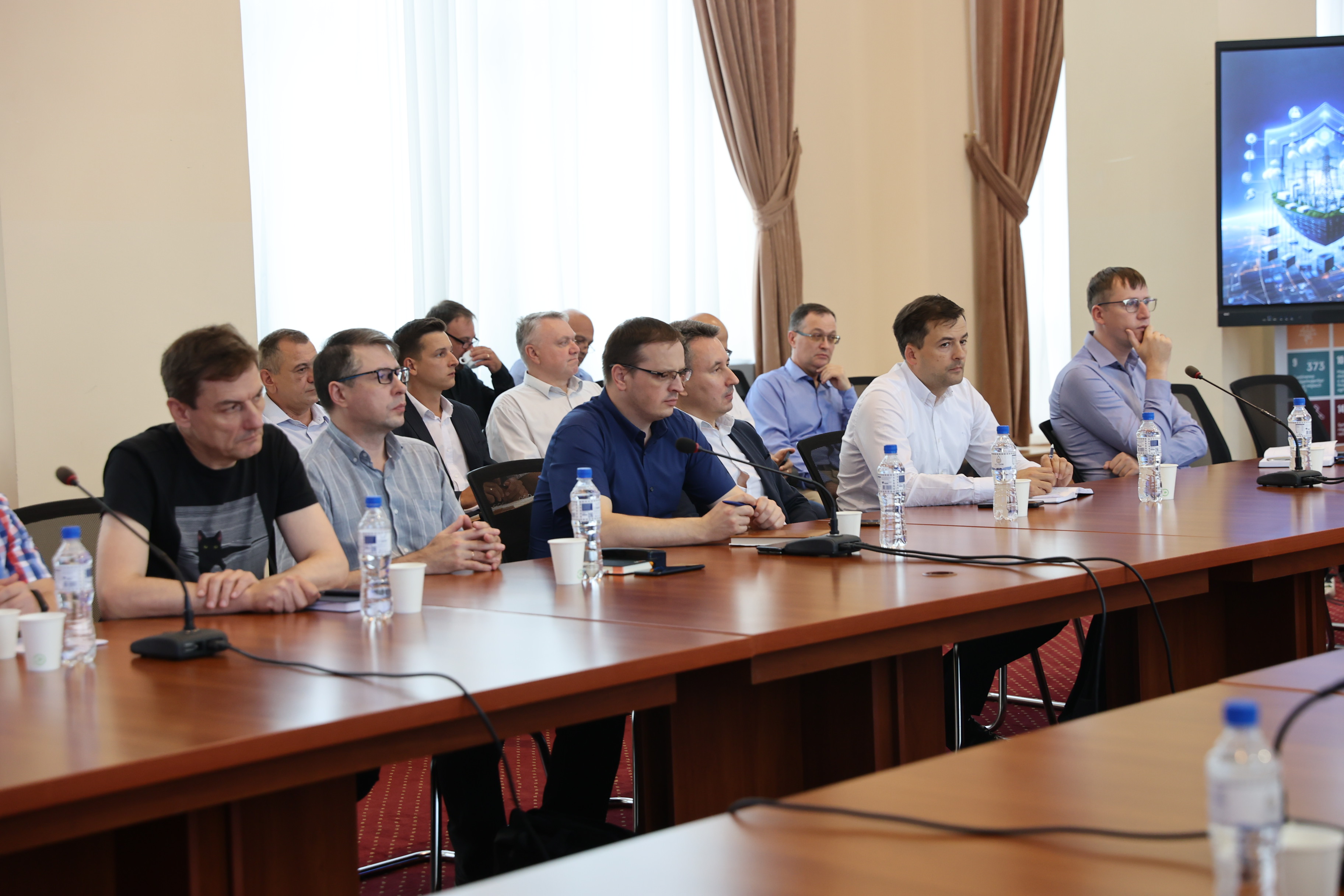
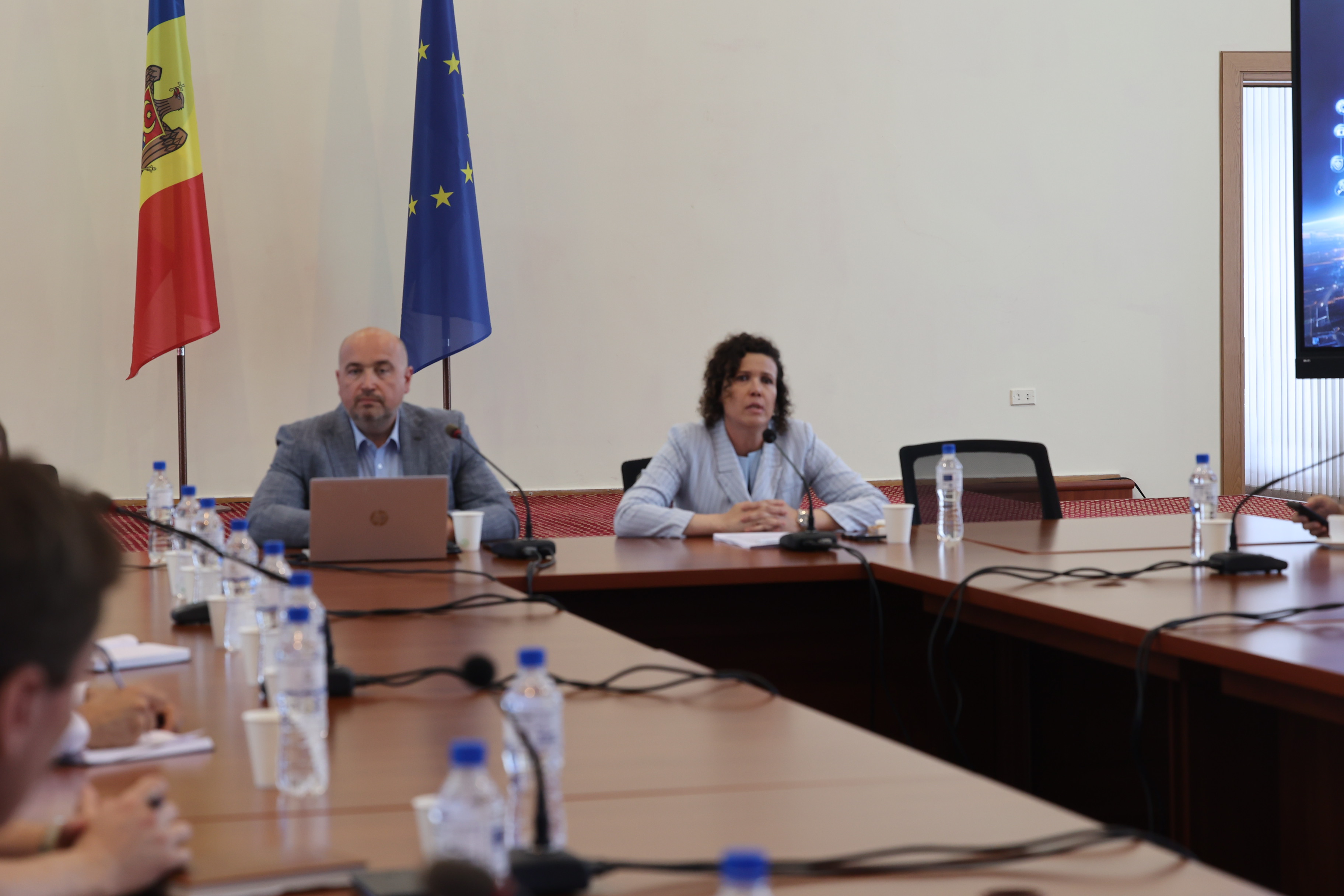
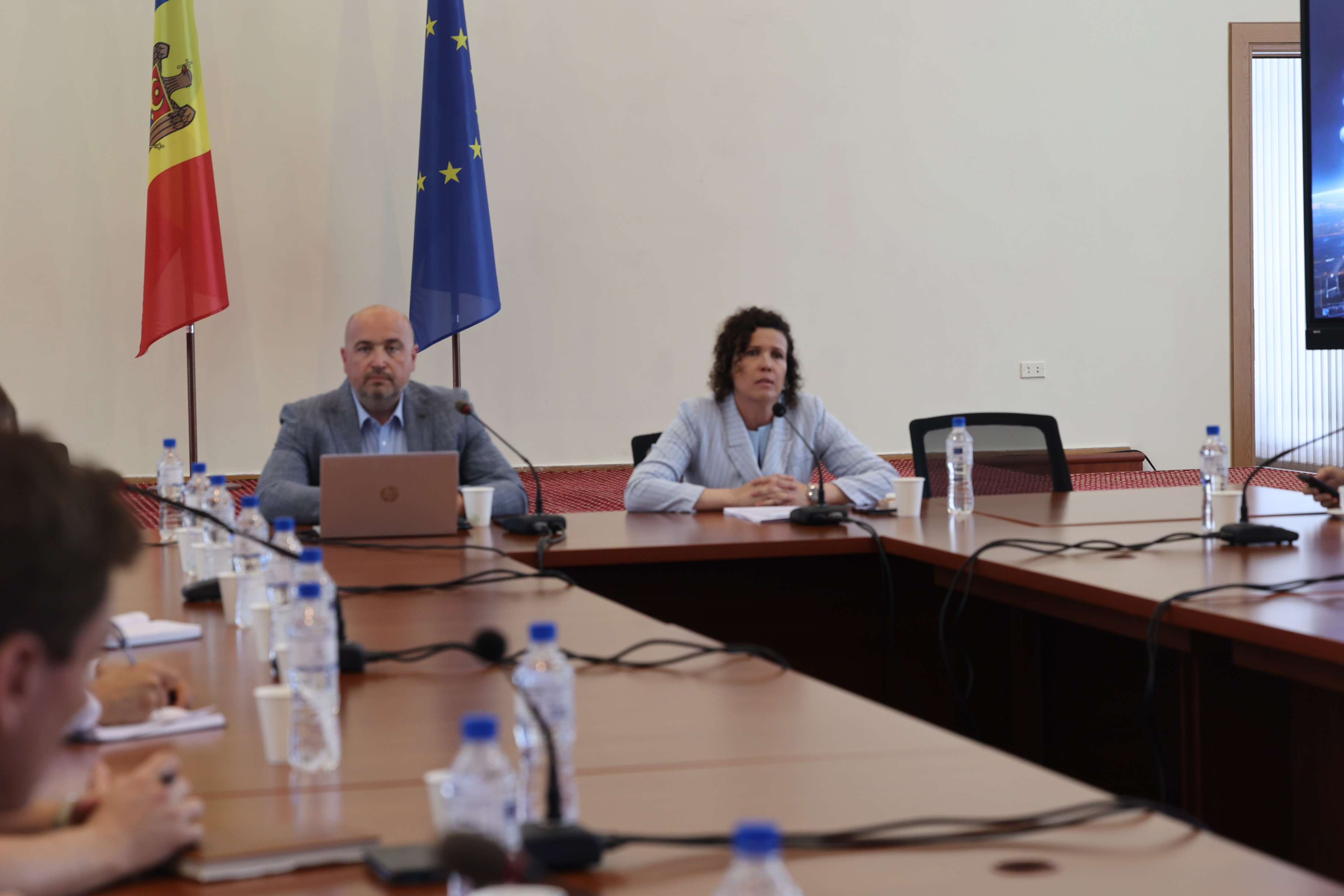
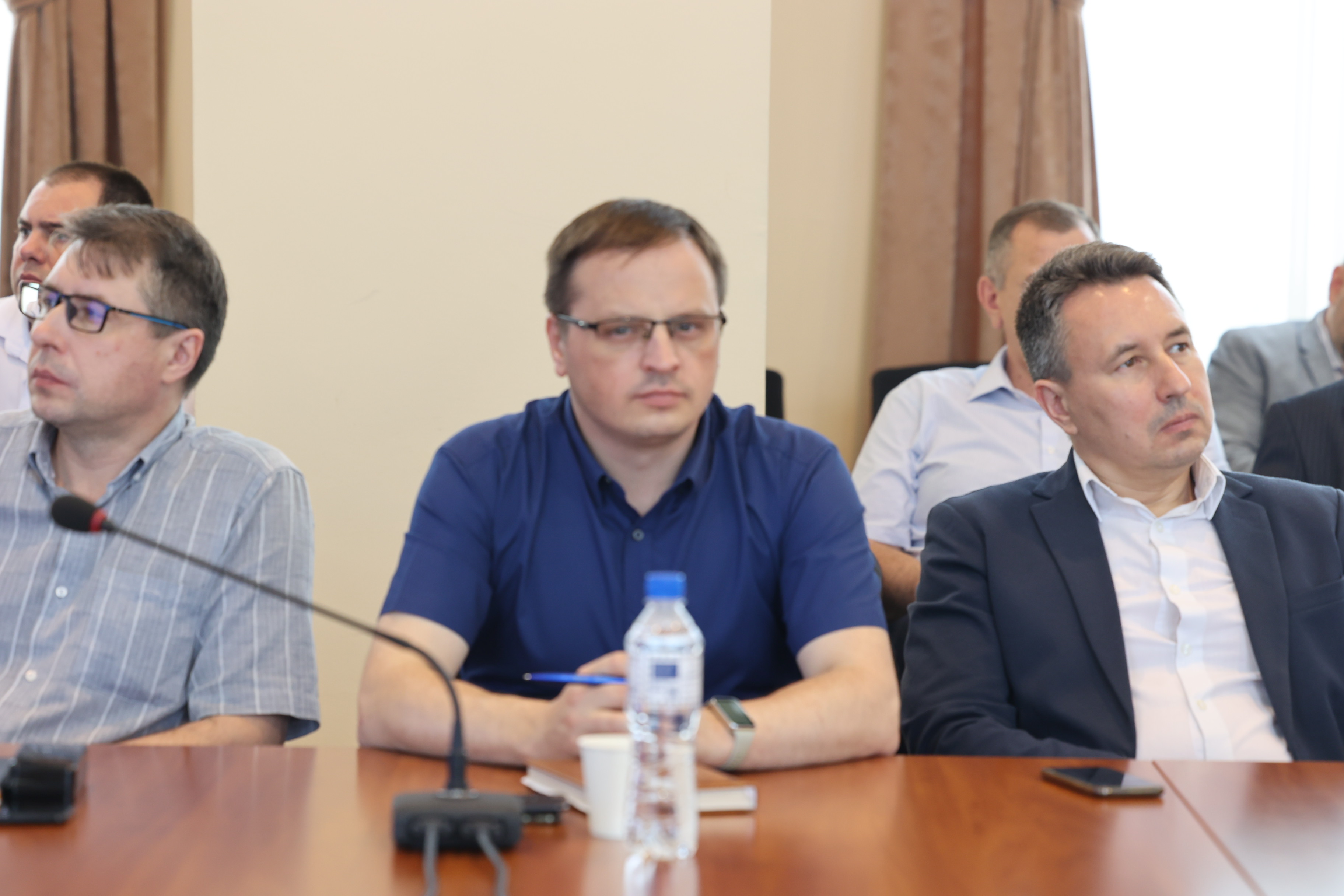
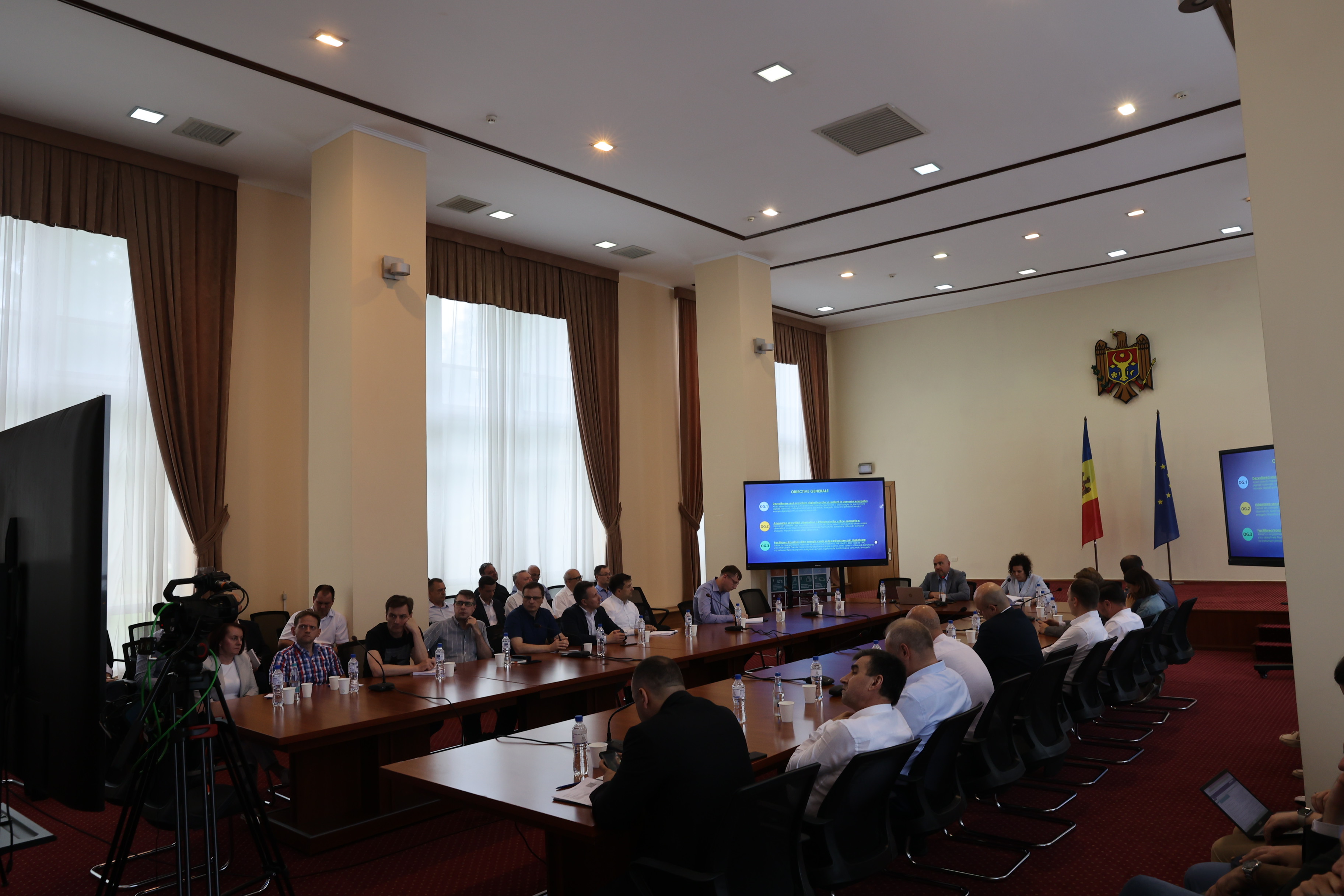
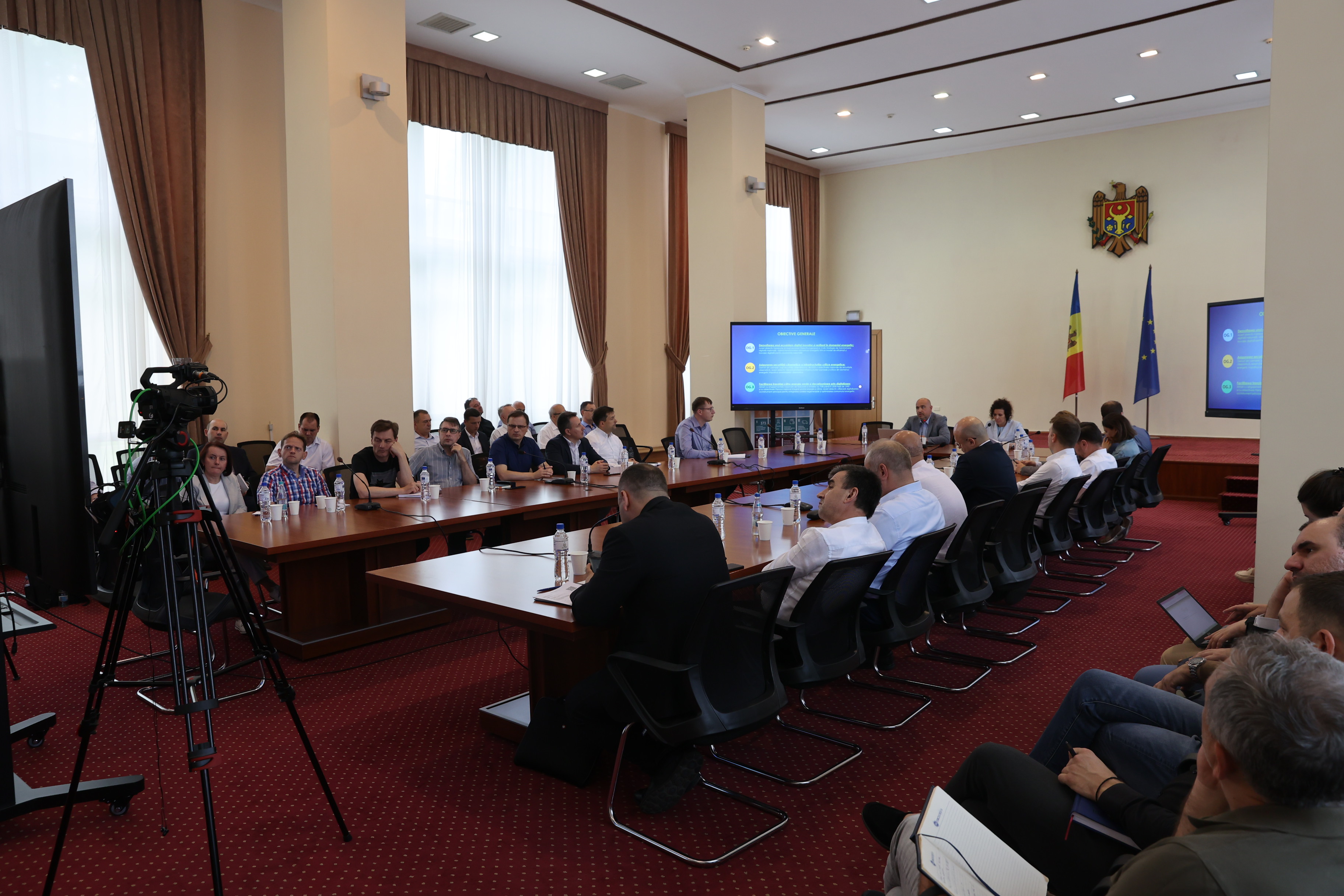
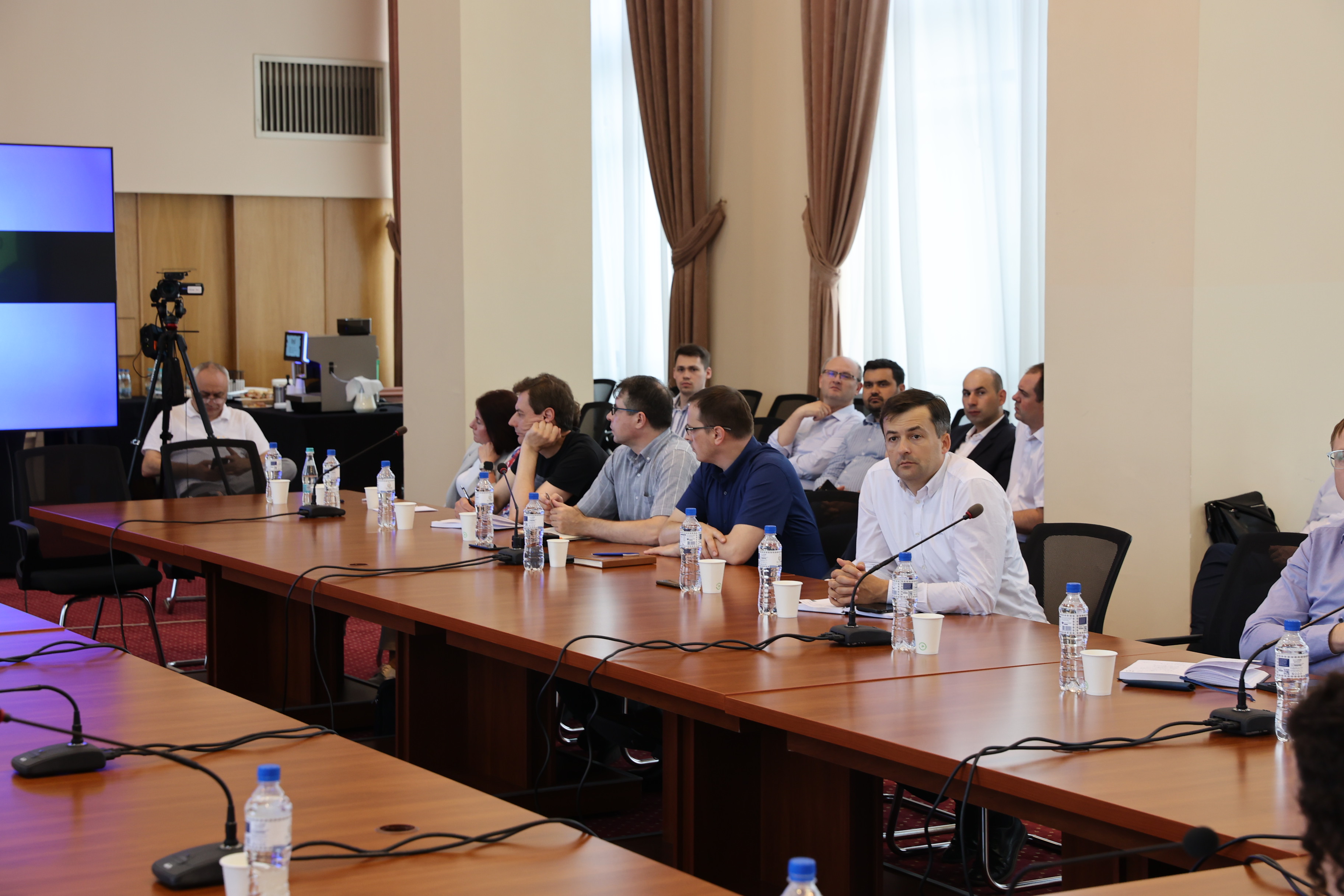
The Ministry of Energy has launched the Concept for the Digital Transformation Program of the Energy Sector of the Republic of Moldova for the period 2025–2030. This document outlines the strategic directions for the deep modernization and digitalization of the national energy system and defines medium-term public policies in this key area.
The concept aims to develop a clear vision, supported by a coherent action plan, to improve sector efficiency through the implementation of advanced, interoperable digital solutions, aligned with European integration goals and energy resilience objectives.
At the launch event, Secretary of State Cristina Pereteatcu emphasized that digital transformation of the energy sector is a strategic priority for the Republic of Moldova in the context of European integration and the contemporary challenges related to energy security, operational efficiency, and critical infrastructure resilience.
"The energy sector in the Republic of Moldova is facing insufficiently developed, fragmented, and outdated digital infrastructure, which limits its ability to modernize and adapt to current demands. According to recent surveys, 80.7% of households have internet access, yet fewer than 17% of SMEs have successfully integrated digital technologies into their operations. This reflects a significant digital divide in the national economy, including in the energy sector," said Cristina Pereteatcu.
The Secretary of State added that the Ministry of Energy is focused on risk reduction and strengthening the technical capabilities of energy networks. Digitalization is becoming a central tool for real-time monitoring, operational flow optimization, and efficient response, enabling a more flexible and predictable energy system.
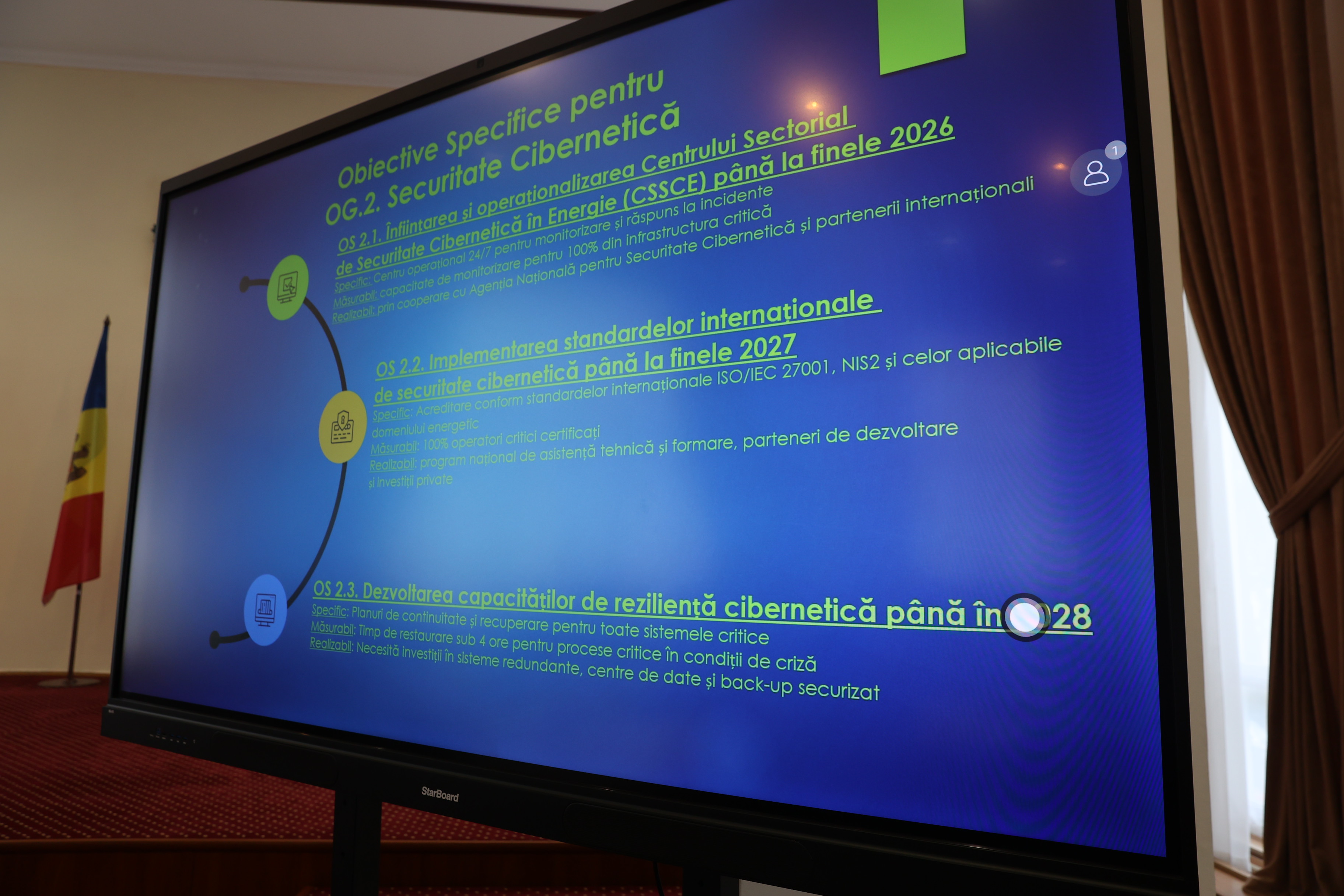
UNDP consultant Radu Cornea also highlighted that the energy sector, as a critical component of national infrastructure, requires urgent and coordinated measures to strengthen cybersecurity through the implementation of advanced systems for monitoring, detection, prevention, and rapid incident response.
“The Cybersecurity Law (no. 48/2023), aligned with the EU’s NIS2 Directive, sets strict requirements for the cyber resilience of critical infrastructure operators. Essential service providers in the energy field are required to adopt clear governance measures, conduct continuous risk assessments, and promptly report incidents. The Program establishes the necessary framework for effective and compliant implementation of these European standards,” noted Radu Cornea.
The Ministry of Energy also recalls that, in partnership with UNDP Moldova and with funding from the Government of Italy, a pilot smart metering program was launched in 2023. This initiative is already contributing to the development of a more efficient and resilient energy infrastructure and serves as a foundation for expanding digital systems across the entire energy value chain.