Moldova may install 600 MW wind farms by 2030
- 1071 reads


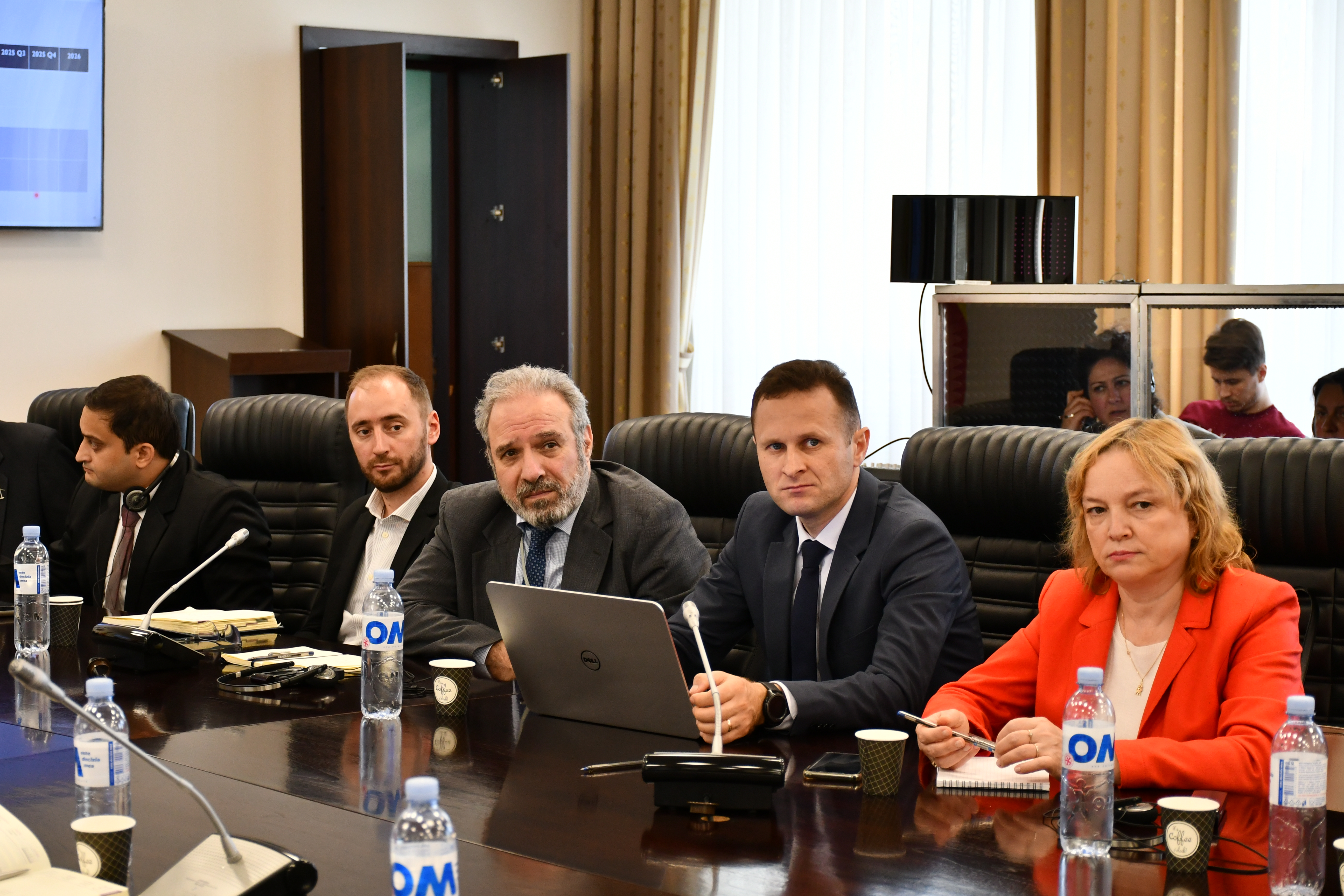
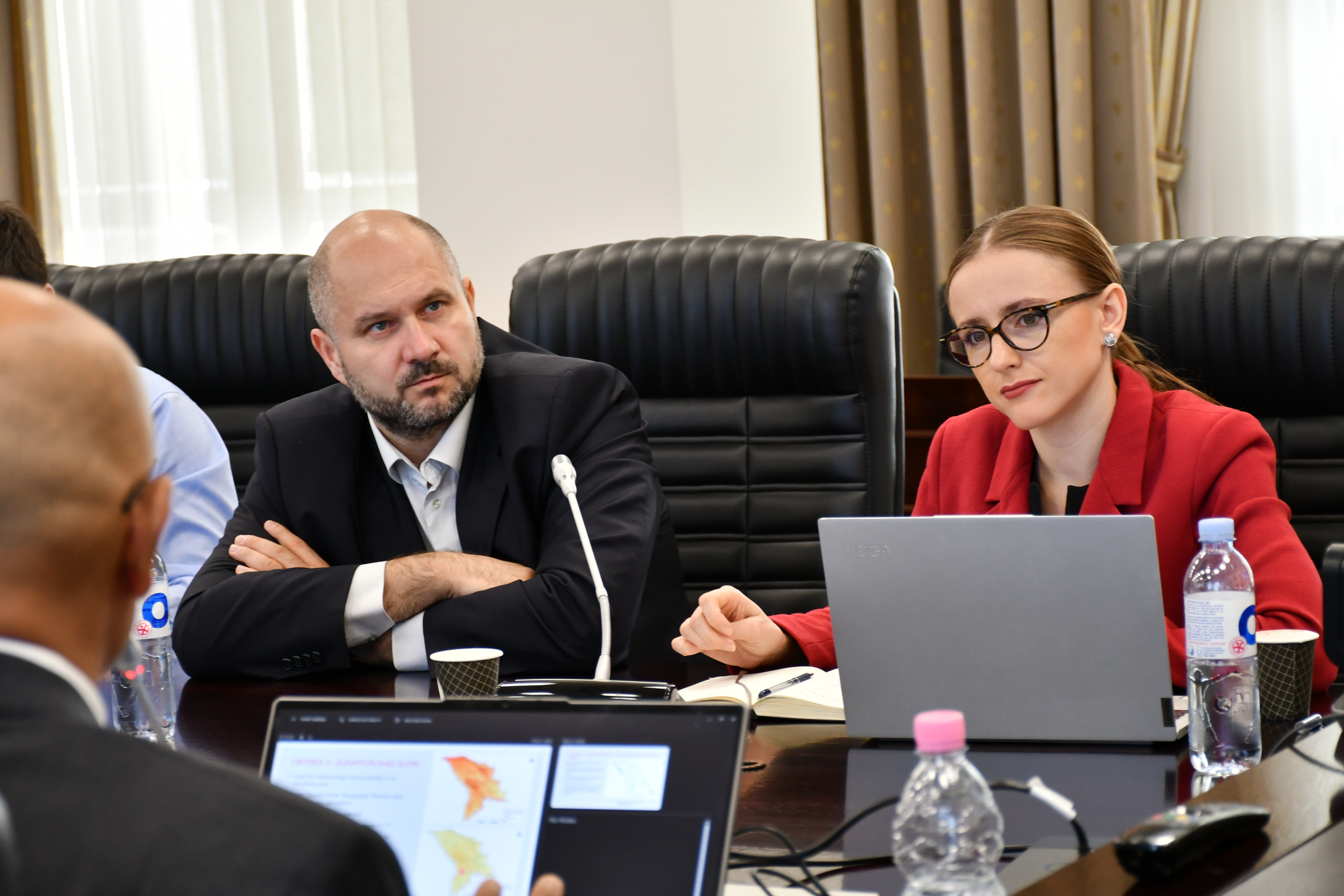
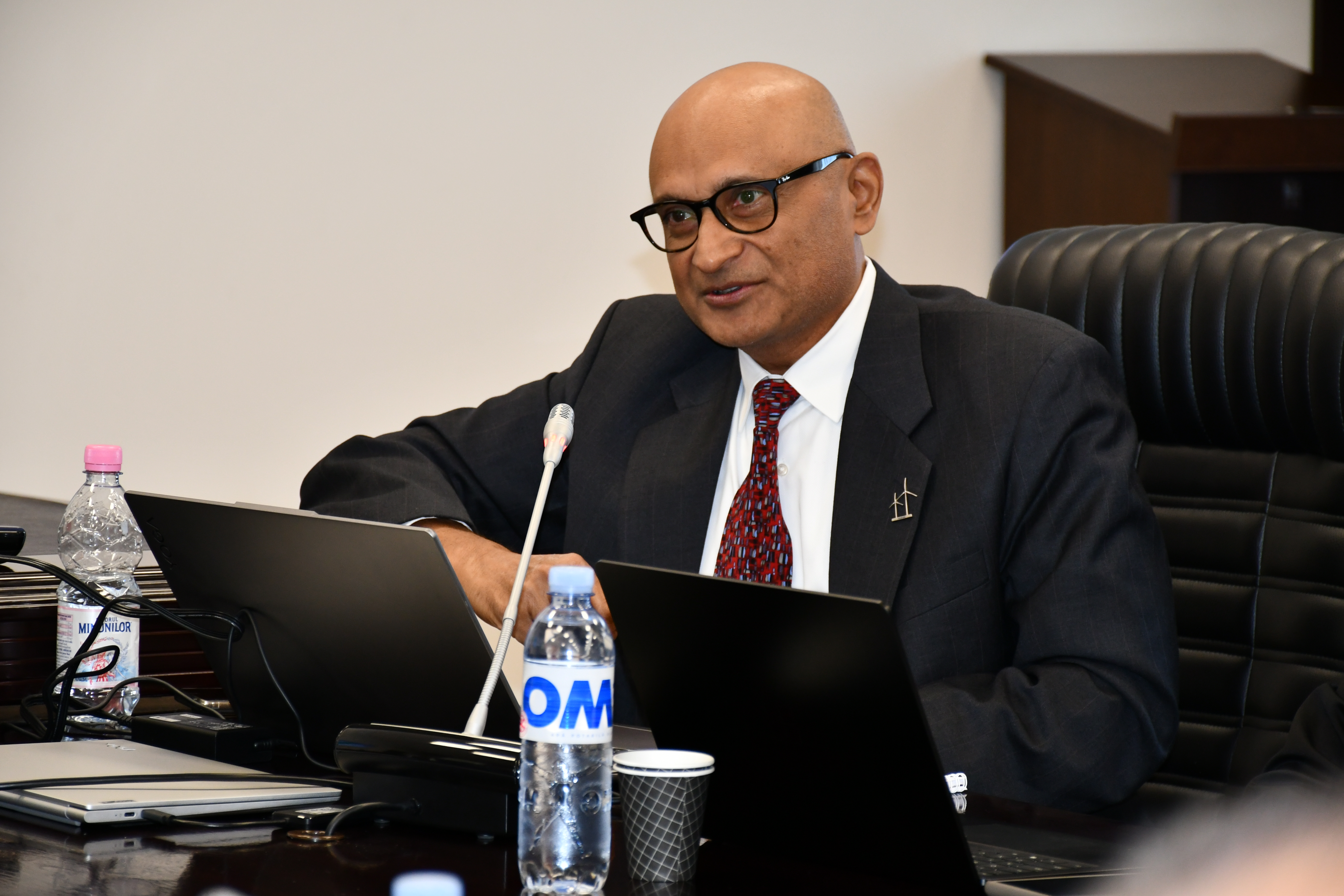
In the Republic of Moldova there are at least 11 areas with untapped wind energy potential that could increase the share of green energy produced in the country to 30% by 2030, preliminary data from a study by USAID's Energy Security Project of the Republic of Moldova, presented to the Energy Ministry, show.
These results will be used to help the government organize the first tenders for large wind farms by the end of the year.
According to the authors of the research, 34 areas with wind energy potential were studied, excluding the traditional routes of migratory birds along the Dniester and Prut rivers, forested areas, in order not to harm the environment, and residential areas. In addition, existing radars and international airports were taken into account.
The study took into account the existing infrastructure, the distance to the nearest power station, the capacity of the lines, the nearest access roads. After a first screening, 11 areas with high potential to develop wind farms emerged. In the case of three areas, the Moldovan Energy Security Project will extend the research with site visits to take measurements and study the topography. Other components analyzed will be the physical capacities of the networks and financial calculations.
The aim of the study was to ultimately achieve optimal electricity prices and more efficient installations covering dozens of hectares. The authors of the study also took into account the decarbonization targets assumed by the Republic of Moldova, concluding that it is realistic to build wind farms with an installed capacity of about 600 MW by 2030. USAID experts will also provide support to Moldelectrica in order to find solutions on the technical components and better capitalize on this potential.
At the meeting, Energy Minister Victor Parlicov said that in parallel, a mechanism is being prepared in parallel whereby potential investors who obtain capacity reservation and connection permits to finalize the started projects, but not to keep the capacity blocked for years, and then sell these acts on a secondary market. "We want to create equal investment opportunities for everyone, and those who create artificial barriers should pay," was the minister's message.
Images