Over 65% of solid household waste generated in Chisinau and Balti municipalities can be turned into energy, a study shows
- 823 reads


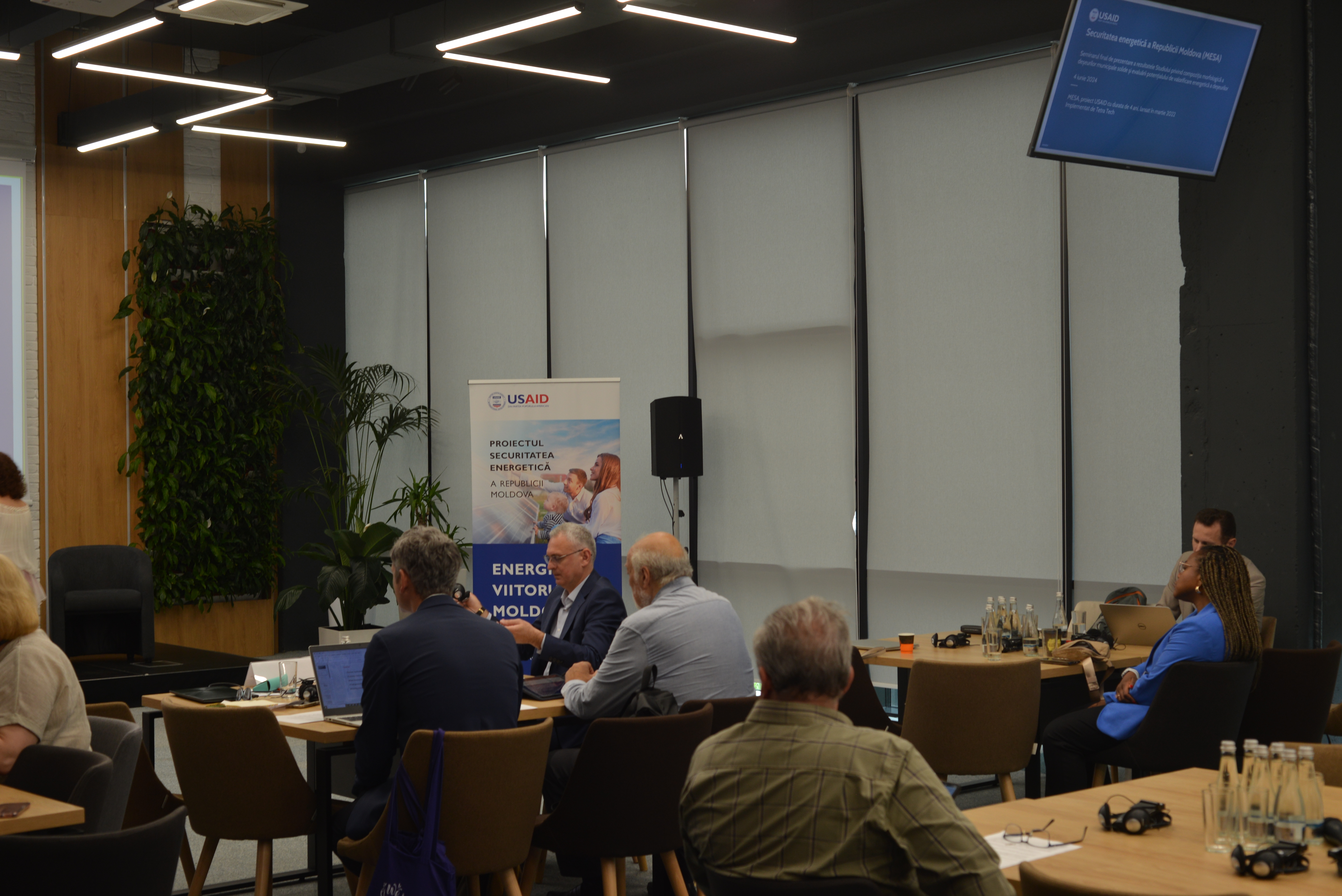
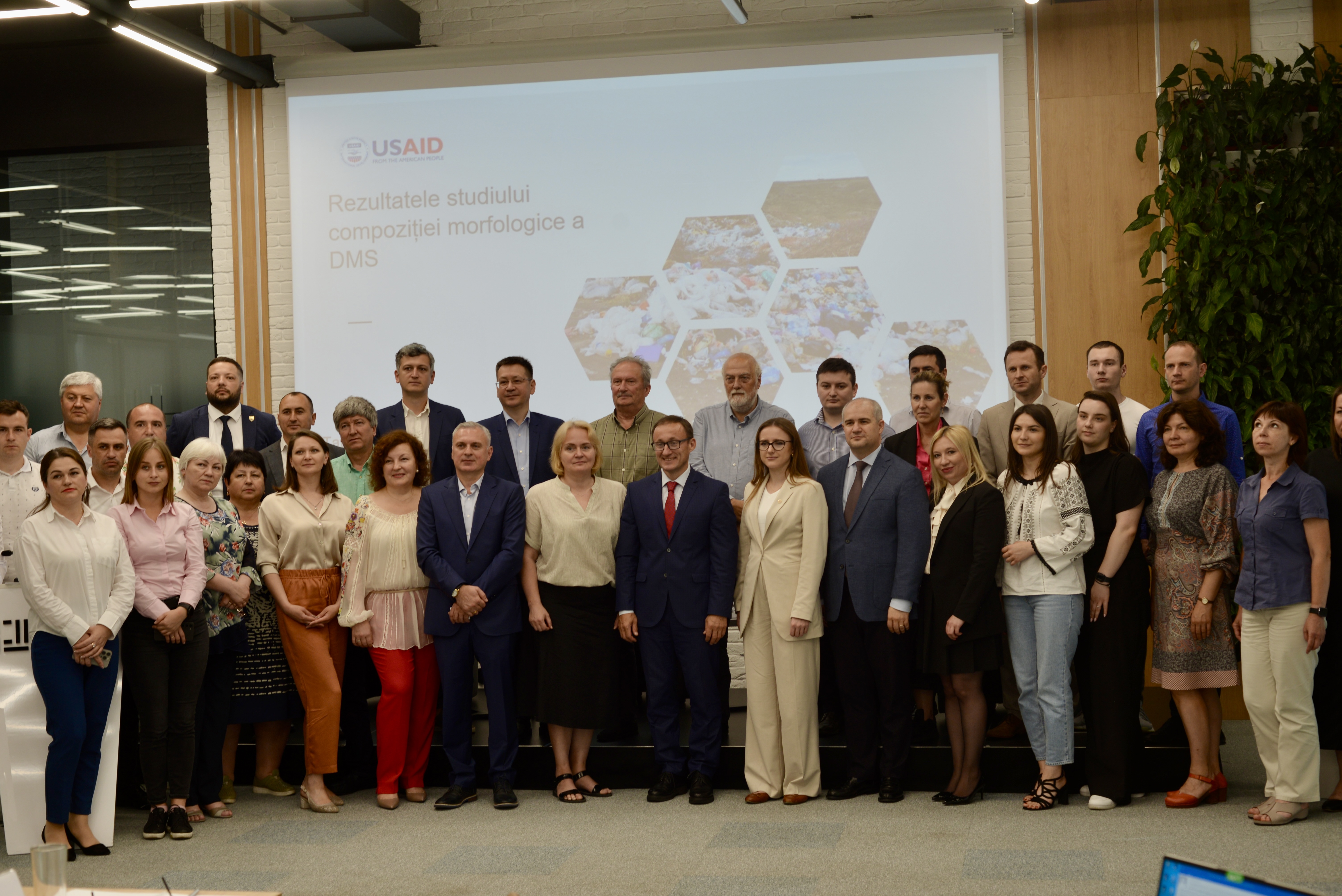
More than 65% of solid household waste generated in the municipalities of Chisinau and Balti can be converted into energy, according to a USAID-supported study by the Moldova Energy Security Project (MESA) on Moldova's prospects for waste-to-energy. The research determined the composition and calorific value of waste in the two municipalities. Present at the launch event, the Secretary of State of the Ministry of Energy, Carolina Novac, emphasized the importance of the study in the context of possible solutions for non-recyclable waste. "It is a huge opportunity for us to have clarity to know what potential we have and what technologies we can apply to utilize this non-recyclable waste. We have clear decarbonization targets, to reach zero net carbon emissions by 2050, we have targets by 2030, energy and climate. As we do not have fossil resources, energy-from-waste technologies could come with a net added value for our economy and the energy system," said Carolina Novac at the opening of the event. The research also shows that the average annual energy value of municipal solid waste streams varies from 4473 kcal/kg s.u. in Balti to 4498 kcal/kg s.u. in Chisinau, and from the analysis of the potential energy production it emerges that in Chisinau it would be possible to use an electricity generation plant with a capacity of 46 MW in Chisinau, while for Balti with a capacity of 12 MW. The results of the study show that the share of biodegradable waste, such as food scraps, paper, cardboard, textiles, leather, phytotechnical and wood waste, in the solid household waste stream in the Republic of Moldova is about 64.7%, which implies a major potential for the Republic of Moldova to obtain electricity and heat from waste. The Republic of Moldova has set itself the goal of increasing the production of electricity from renewable sources from 6% to 30%, and the use of new technologies for producing energy from waste could contribute to these well-defined goals. It should be noted that the Moldova Energy Security Project (MESA) aims to diversify and strengthen the energy sector in the Republic of Moldova through certain objectives: connecting the national energy system to European energy networks and markets, harnessing the potential of renewable energy and increasing resilience to climate change, as well as by attracting investment in local renewable energy production and implementing measures to increase energy efficiency.
Images