Renewable Energy Communities — A Concrete Step Toward Energy Autonomy and Energy Transition in the Republic of Moldova
- 270 reads
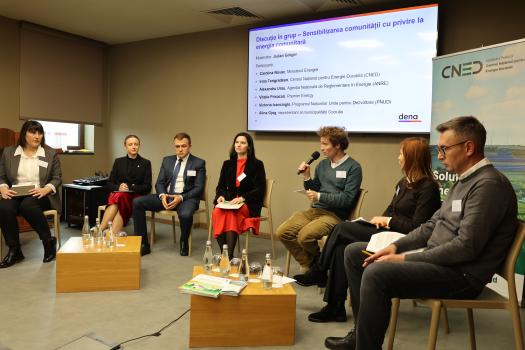
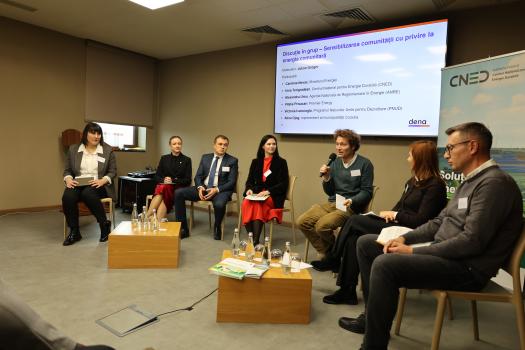


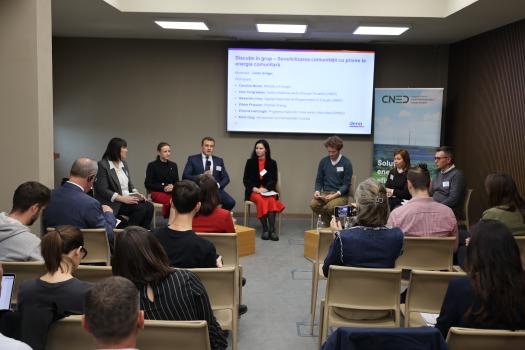
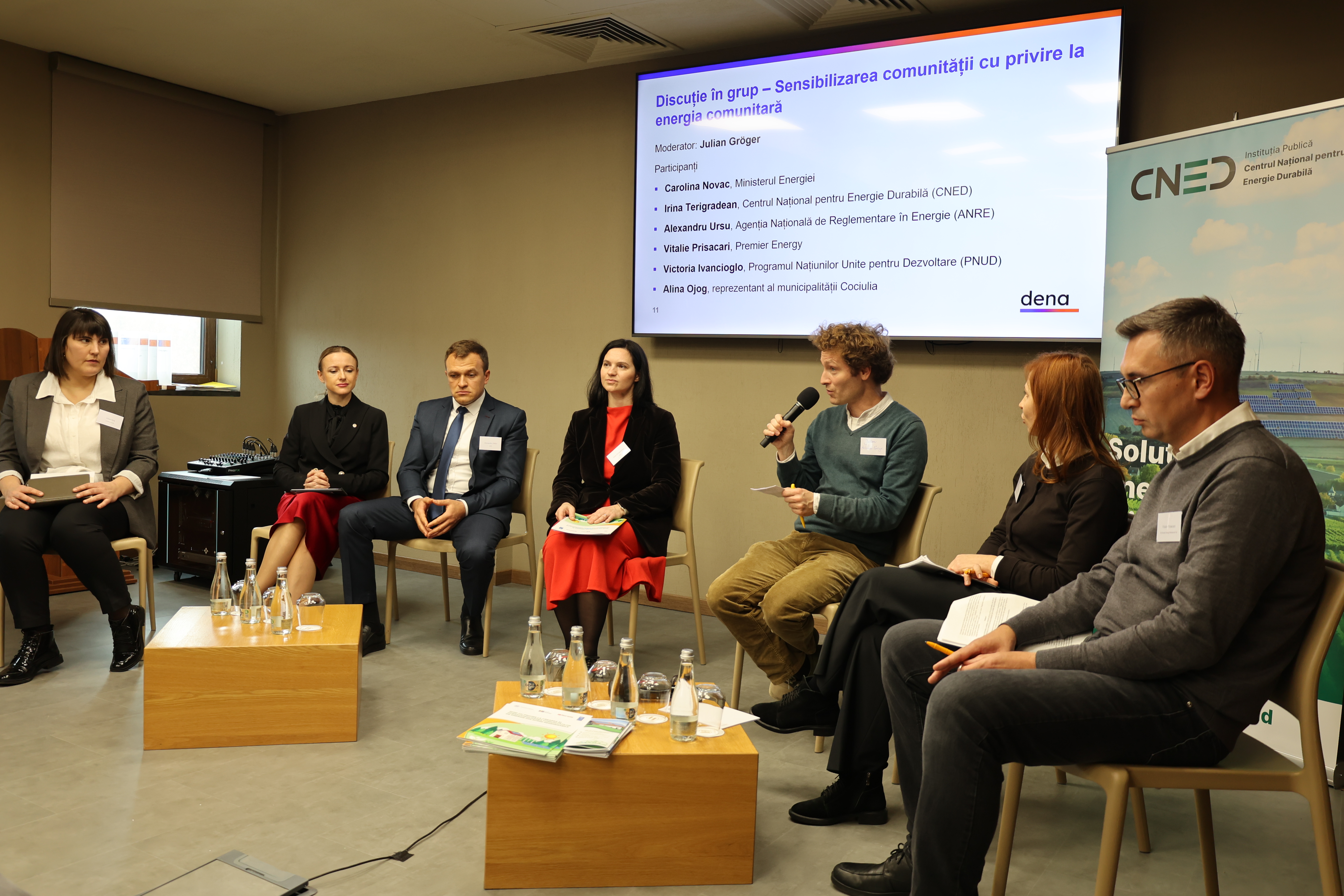
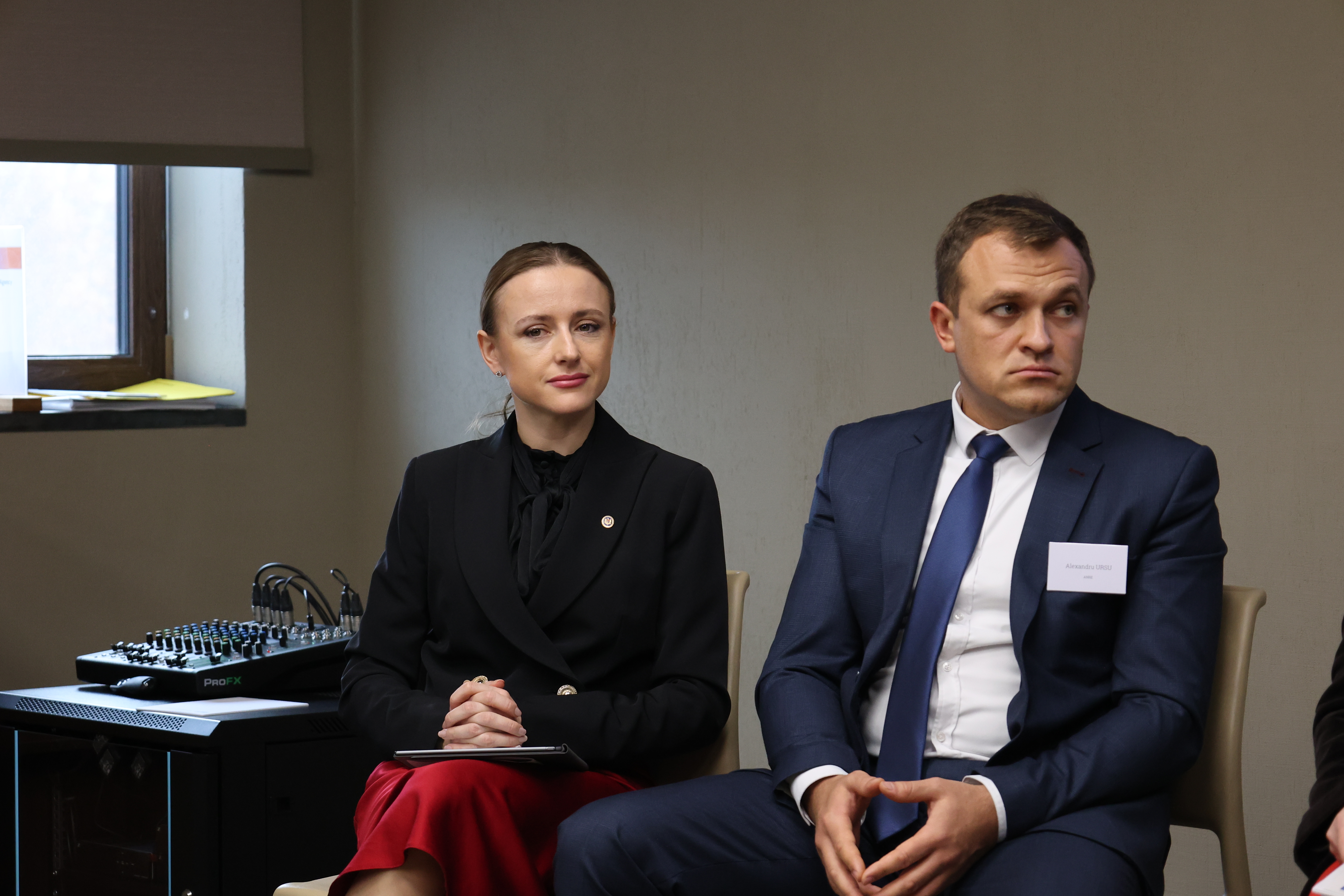
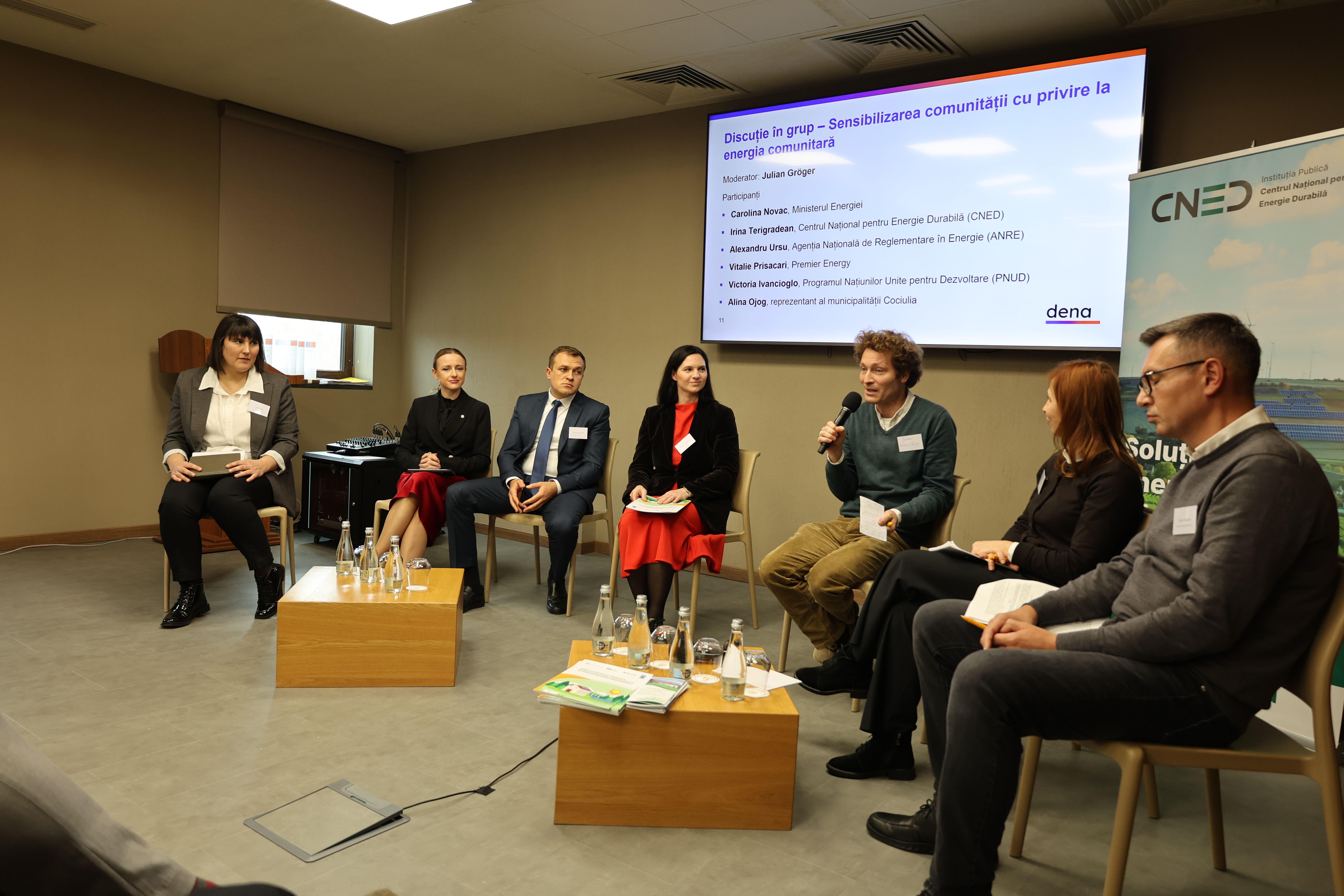
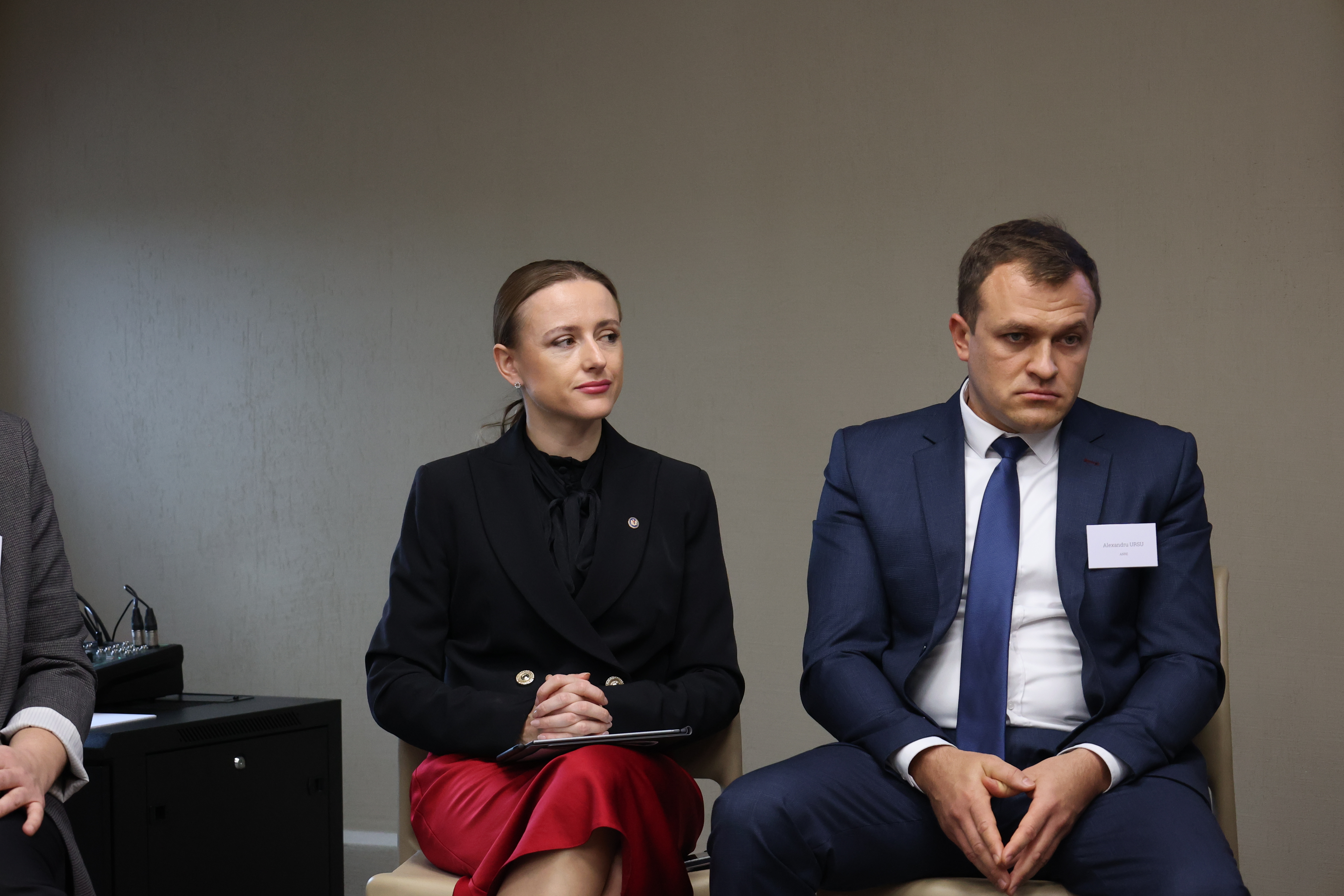
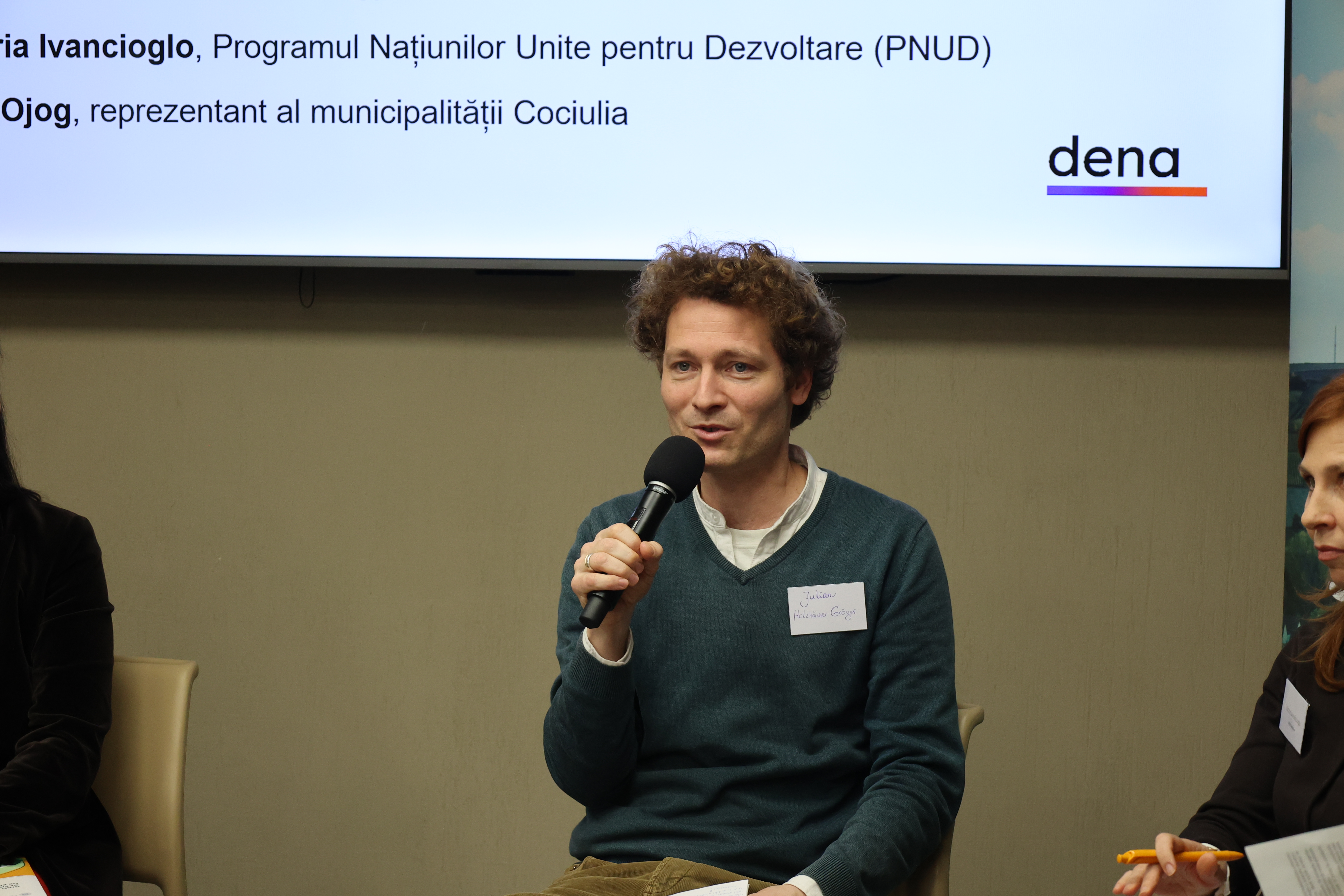
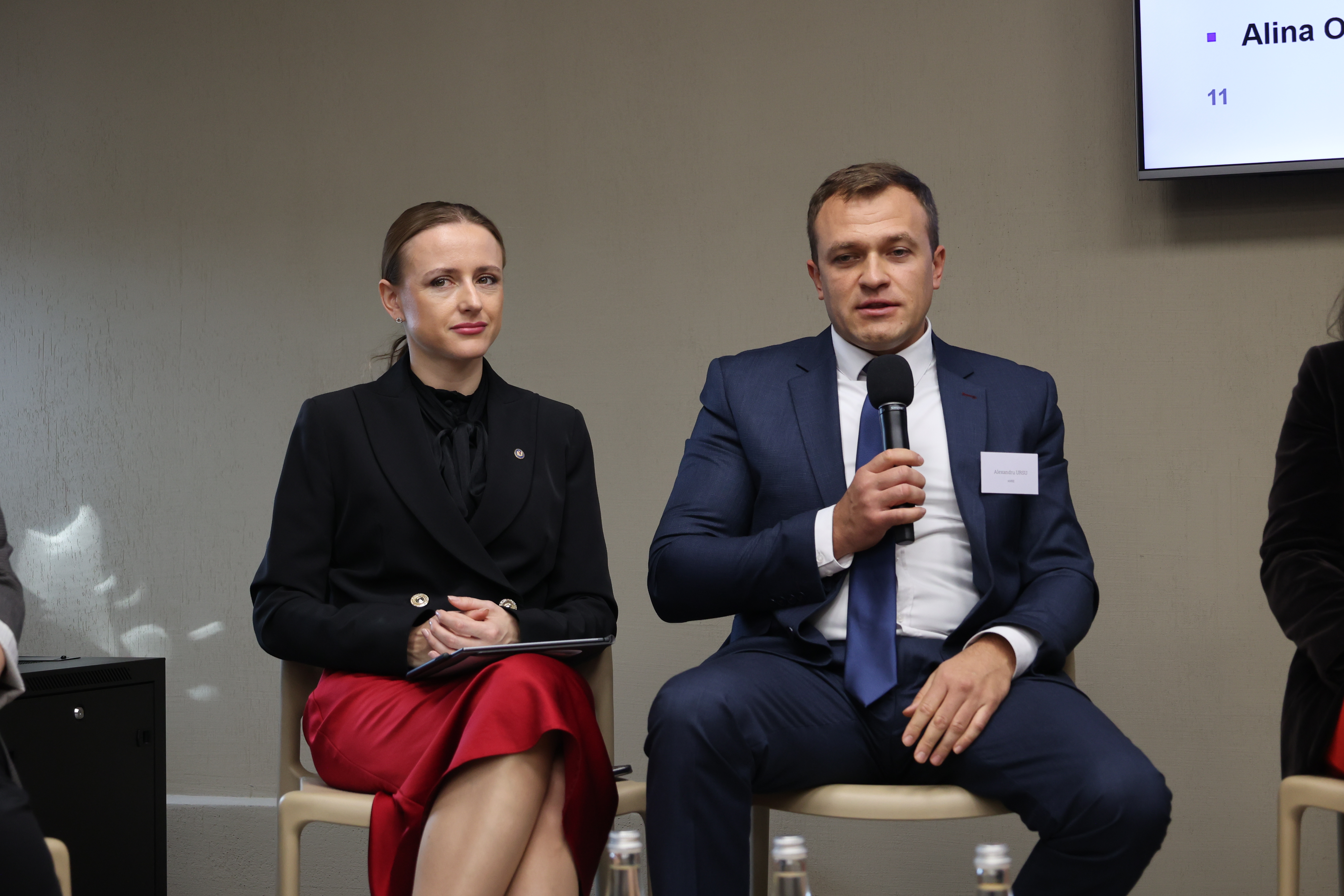
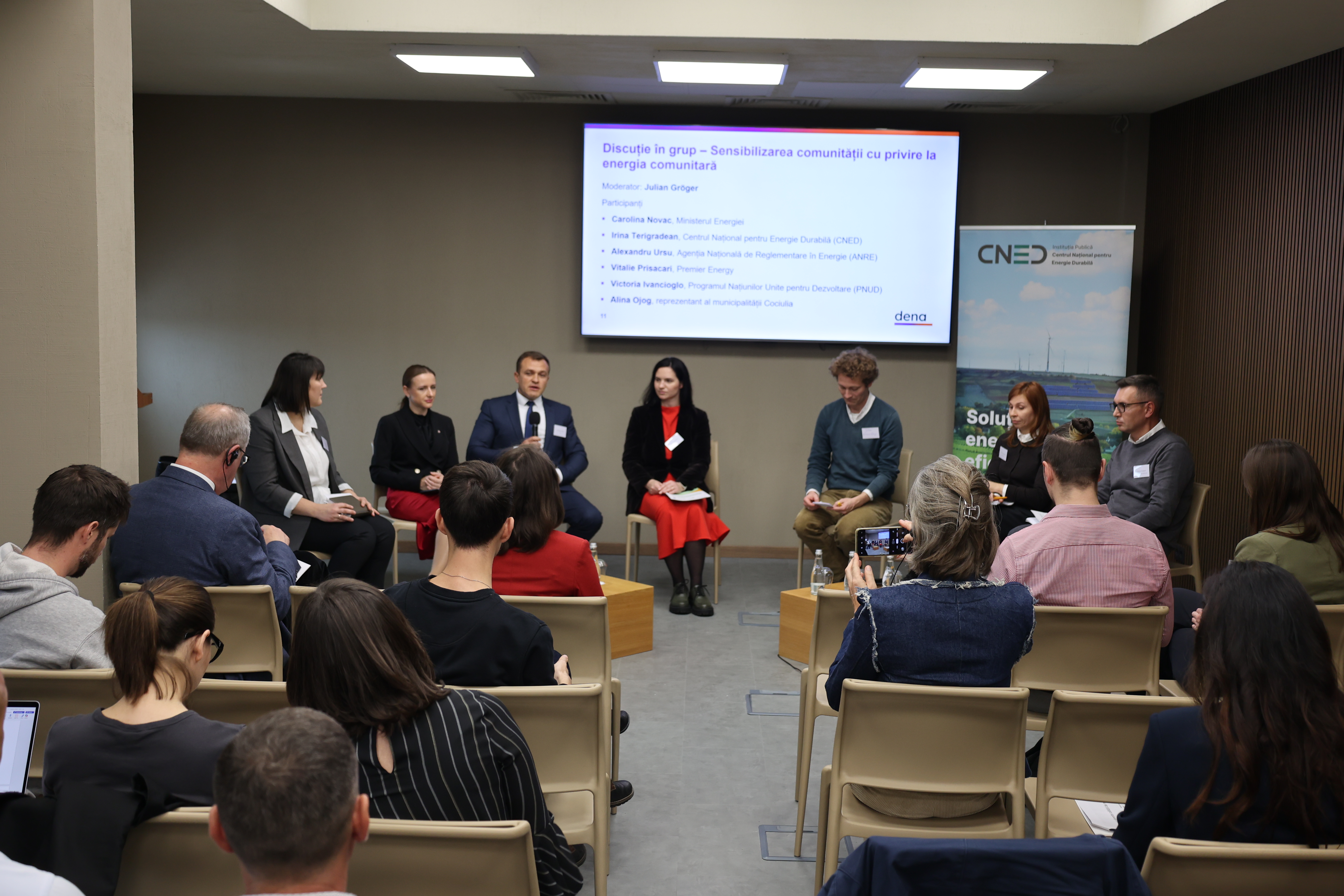
The Secretary of State of the Ministry of Energy, Carolina Novac, participated in the discussion panel “Preparing the Ground for Renewable Energy Communities in Moldova”, organized by the German Energy Agency (DENA). The event brought together representatives of the Ministry of Energy, the National Center for Sustainable Energy (CNED), the National Energy Regulatory Agency (ANRE), Premier Energy Distribution, UNDP, and local authorities to discuss progress, lessons learned, and remaining challenges in developing energy communities in Moldova.
Carolina Novac emphasized that energy communities represent a real opportunity for citizens and local authorities to contribute to the energy transition and decentralization of the Republic of Moldova.
“By producing, consuming, and sharing renewable energy, these communities increase energy autonomy and reduce local costs. The Ministry of Energy continues to promote the development of energy communities as part of the national strategy for energy transition and decentralization, aiming for a safer, more accessible, and more participatory energy system for citizens,” stated Carolina Novac.
The panel also addressed the main obstacles encountered, including technical, regulatory, and community mobilization issues.
“The experience gained so far shows that citizen involvement and the support of local authorities are essential. We will continue to support these communities and encourage other localities to initiate similar projects. Together with international partners and local authorities, we have created the necessary legislative foundations for energy communities. It is encouraging to see that several local authorities already have business plans and concrete implementation ideas tailored to their communities’ needs,” the Secretary of State added.
The panel provided participants with a comprehensive perspective on the advantages of energy communities and their current stage of implementation in the country. Among the pilot examples presented were the commune of Logănești in Hîncești district, the commune of Cociulia in Cantemir district, as well as two residential buildings in Chișinău supported by UNDP under the Resilient Communities through Women’s Empowerment project, with financial assistance from Sweden and Norway.
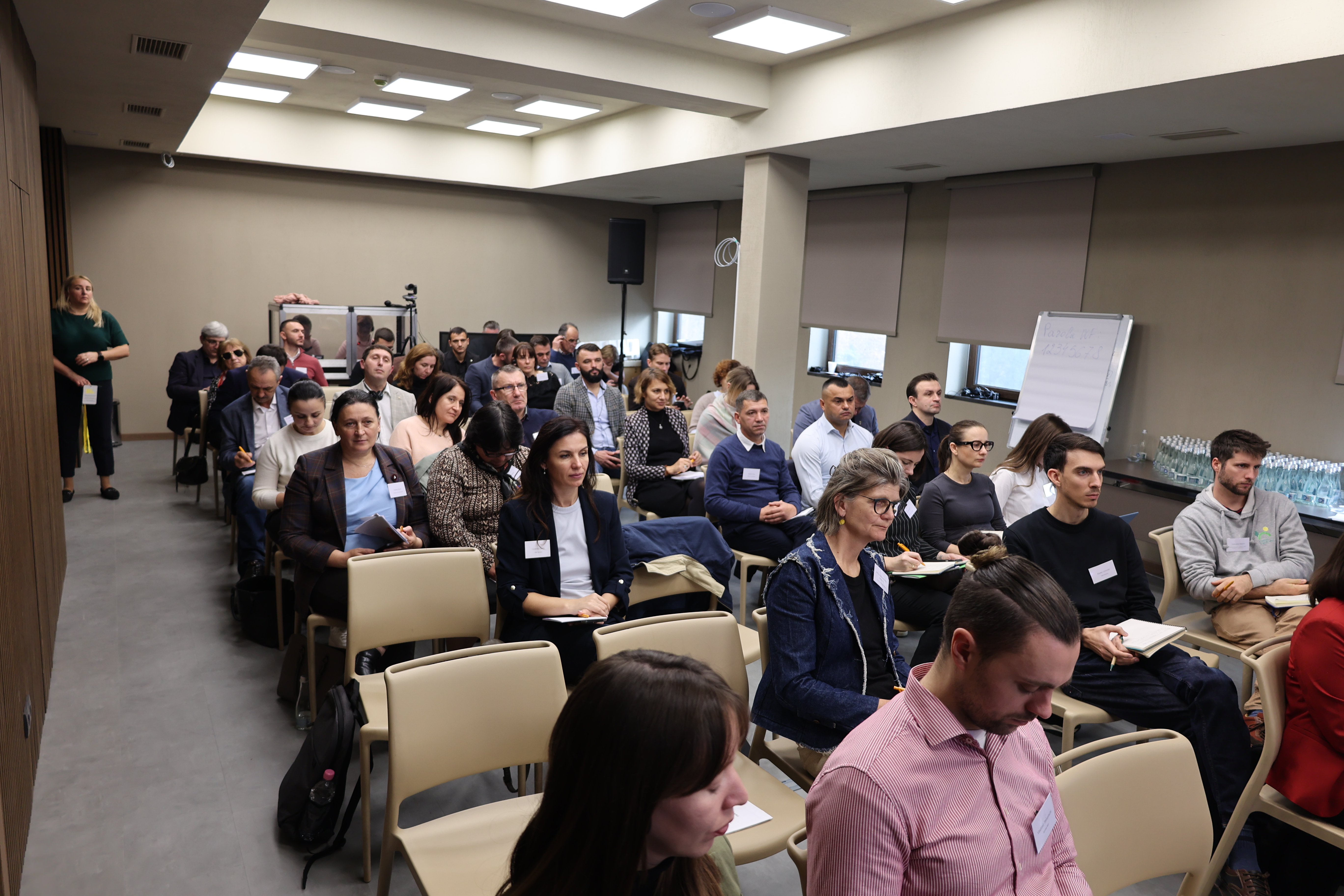
The event also offered participants the opportunity to ask questions and receive clarifications from the specialists involved in piloting and implementing energy communities in the Republic of Moldova.
Images