Republic of Moldova: An Active Player in the Vertical Gas Corridor
- 1418 reads


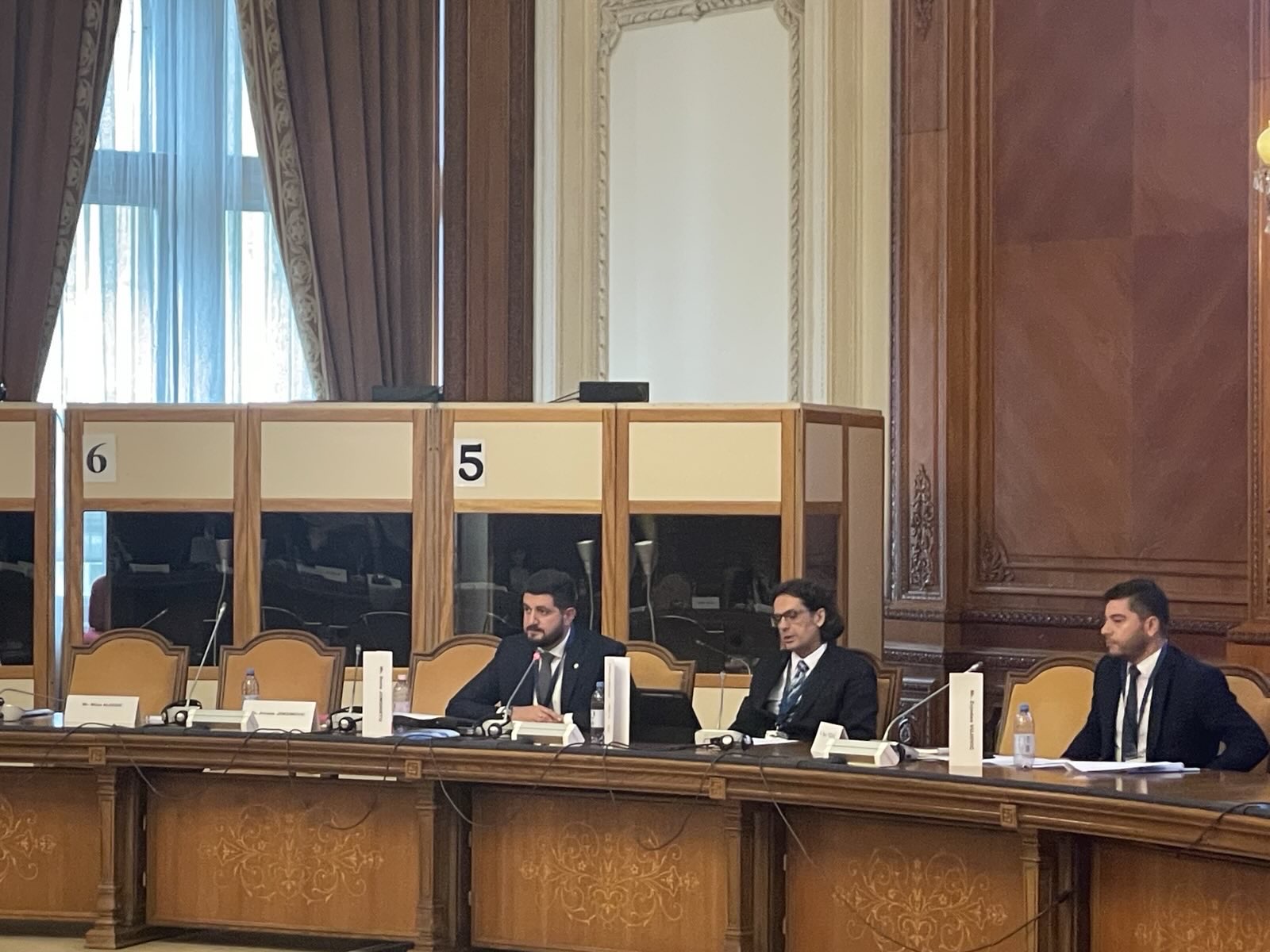
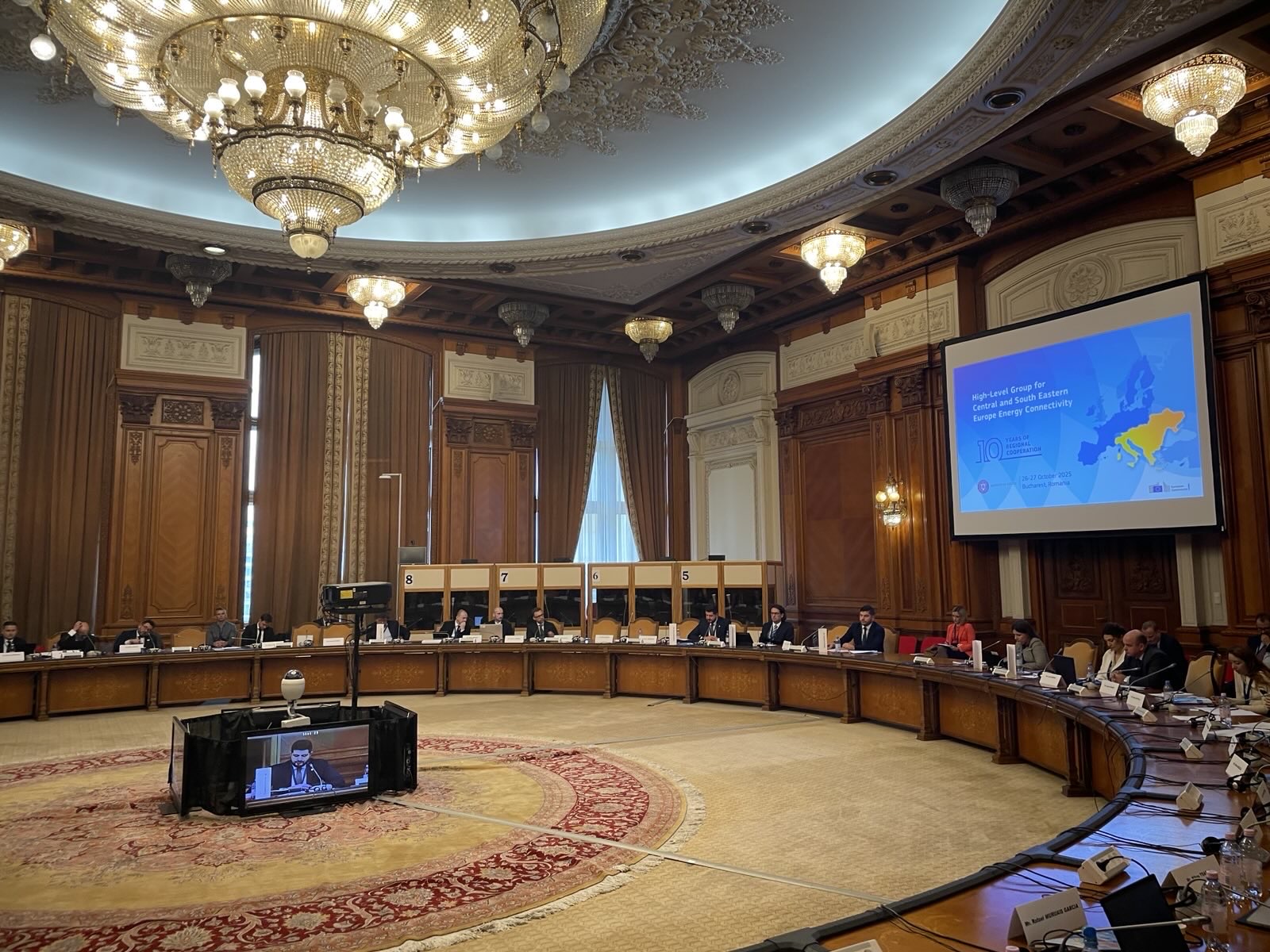
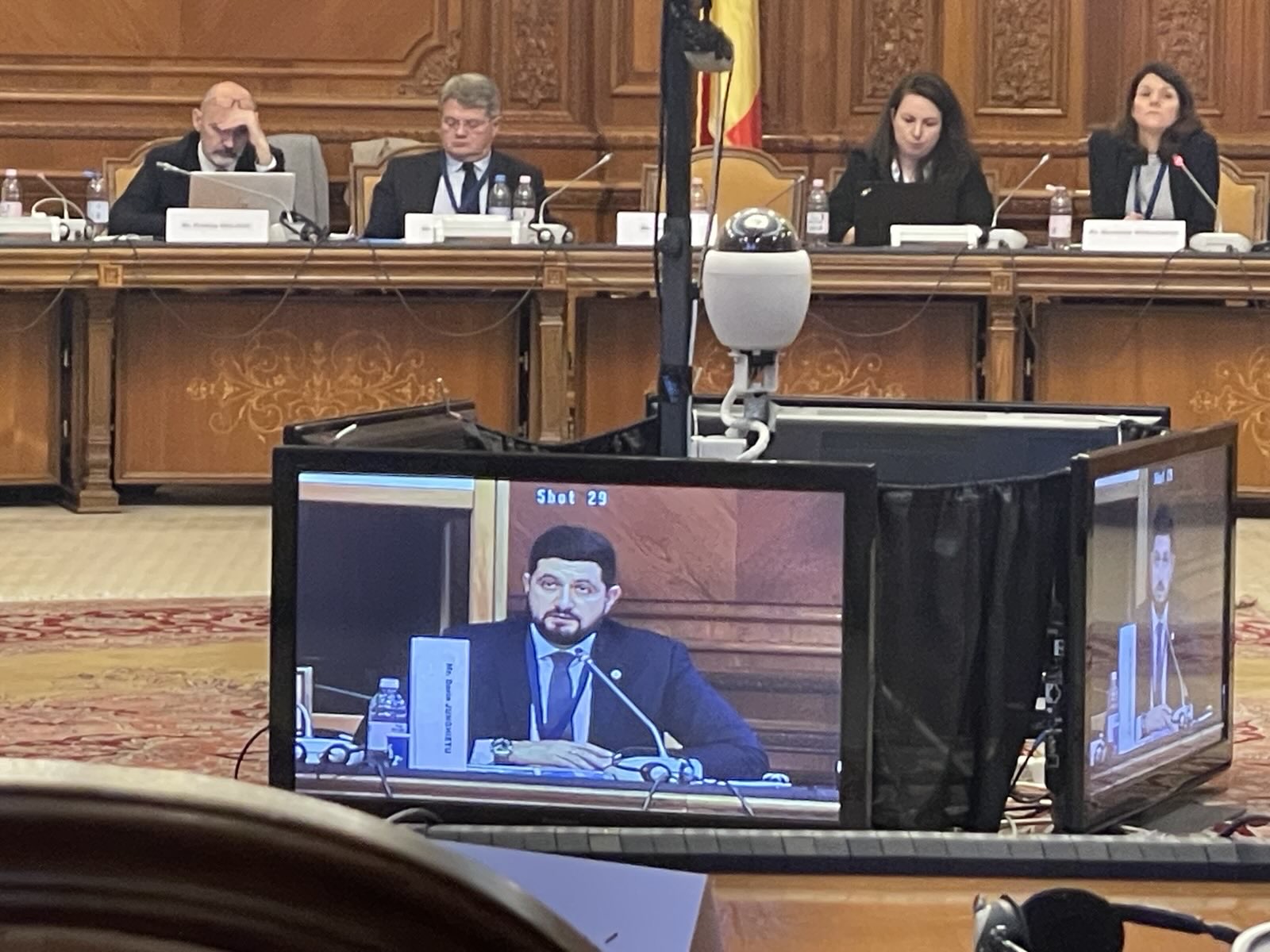
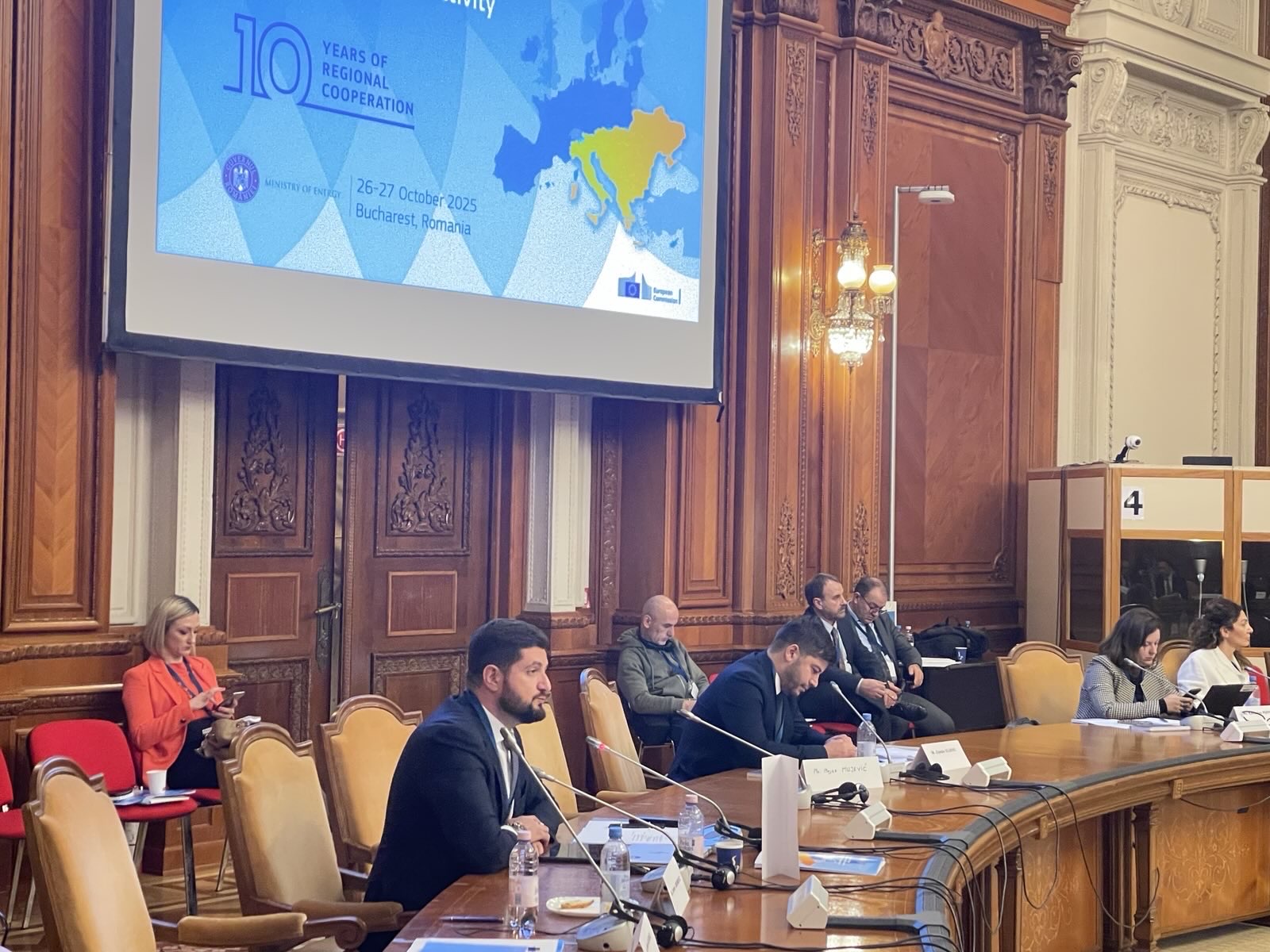
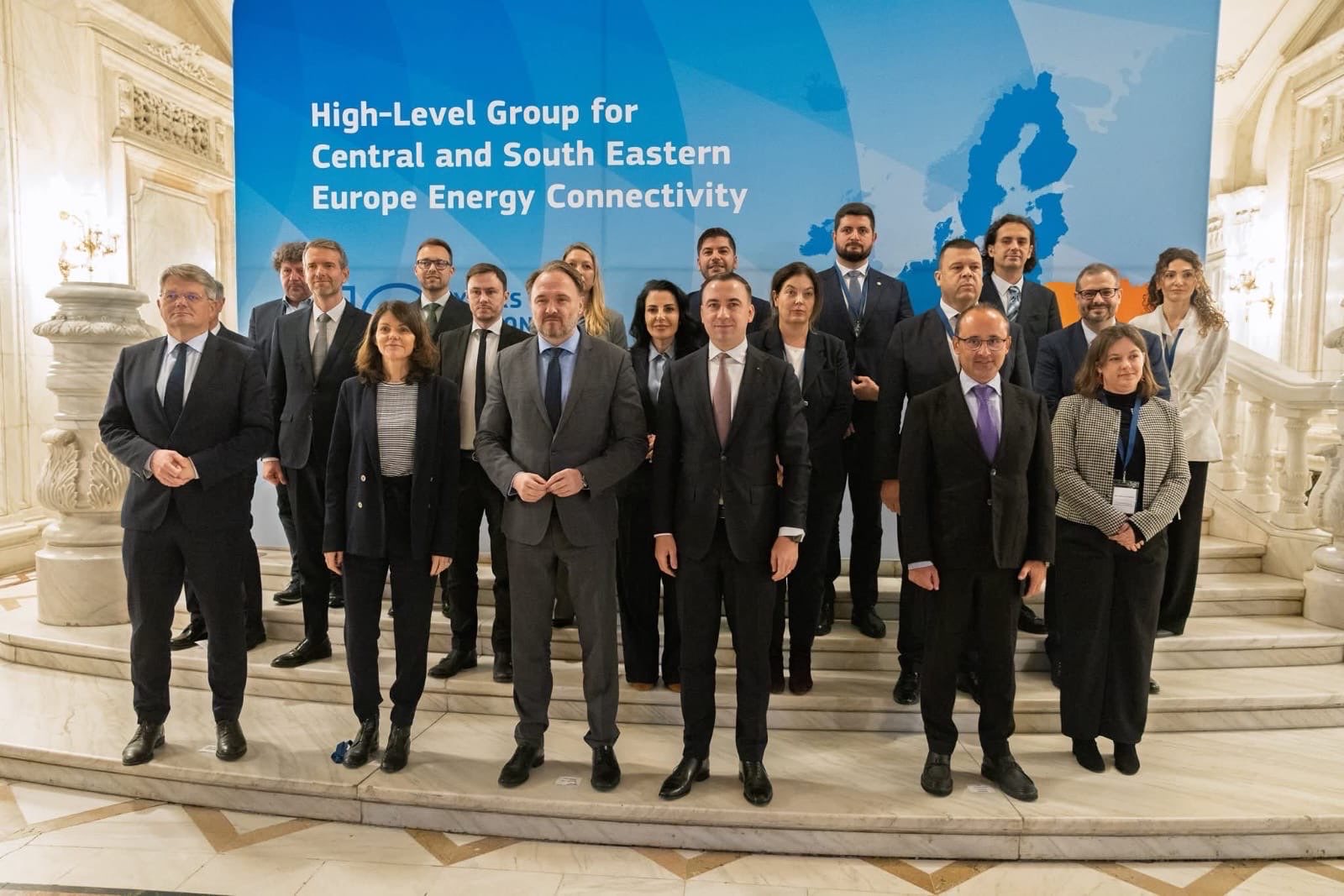
Minister of Energy Dorin Junghietu participated in the Ministerial Meeting of the High-Level Group on Energy Connectivity in Central and South-Eastern Europe (CESEC), held in Bucharest on October 26–27, 2025. The event brought together energy ministers, representatives of the European Commission, and transmission system operators (TSOs) from the region to discuss market challenges and joint solutions for integrating regional natural gas and electricity infrastructure in the context of the REPowerEU initiative.
In the CESEC region, a significant portion of the transport capacity along the Trans-Balkan Corridor remains underutilized, despite growing demand for south-to-north gas flows toward Ukraine. Discussions focused on solutions for better infrastructure utilization and tariff coordination among participating countries.
Minister Dorin Junghietu reiterated Moldova’s commitment to CESEC and REPowerEU objectives, emphasizing the country’s active role in developing the Vertical Gas Corridor — Greece–Bulgaria–Romania–Moldova–Ukraine, a European project of vital importance.
“By integrating into the Vertical Corridor, Moldova gains direct access to gas from the Caspian Sea and LNG terminals in Greece, strengthening not only our national energy security but also regional stability,” stated Minister Junghietu.
Moldova played a key role in promoting the regional capacity product “Route 1”, a coordinated cross-border transport instrument that directs gas flows directly to Ukraine through the existing infrastructure of Greece, Bulgaria, Romania, and Moldova.
This route provides a transparent and predictable framework for network usage while ensuring the directional integrity of gas flows.
To encourage the use of this route, Moldova extended the product’s validity for the period November 2025 – April 2026, applying a 50% reduction to transport tariffs charged by Vestmoldtransgaz at the Căușeni and Grebenyky interconnection points. The product also provides tariff reductions of 25% in Greece and Bulgaria, 50% in Romania and Moldova, and 46% in Ukraine, provided that gas is transported through specific points directly to Ukraine’s underground storage facilities.
“Through this mechanism, we are not only supporting Ukraine in securing its winter gas supplies in a challenging security context, but also creating commercial opportunities for operators in Moldova and across the region,” explained the Energy Minister.
Dorin Junghietu emphasized that Energocom, the Moldovan state company, was the first to use this route commercially, transporting liquefied natural gas from the United States via the LNG terminal in Alexandroupolis, Greece. Increasing volumes transited through Moldovan infrastructure will, over time, lower transport tariffs overall and improve market integration.
“Entering the winter of 2025/2026, Moldova has already secured over 90% of its gas needs thanks to proactive policies on source diversification, strategic storage, and regional cooperation. We have diversified supply sources, modernized infrastructure, and taken decisive steps toward integration into the European energy market. Through active participation in regional initiatives and coordinated tariff policies, Moldova demonstrates that its flexibility contributes to Europe’s energy accessibility,” stated Minister Junghietu.
The High-Level Group on Energy Connectivity in Central and South-Eastern Europe (CESEC) is a cooperation platform launched by the European Commission to accelerate the integration of regional energy markets and enhance interconnectivity between EU member states and neighboring countries. Moldova has actively joined these efforts, strengthening its role as a bridge between Southeastern Europe and Ukraine within the implementation of REPowerEU objectives, the EU plan launched in 2022 in response to the energy crisis caused by Russia’s aggression against Ukraine.
Images