The Republic of Moldova Adopts Successful Models from Latvia for Green Energy Development
- 414 reads

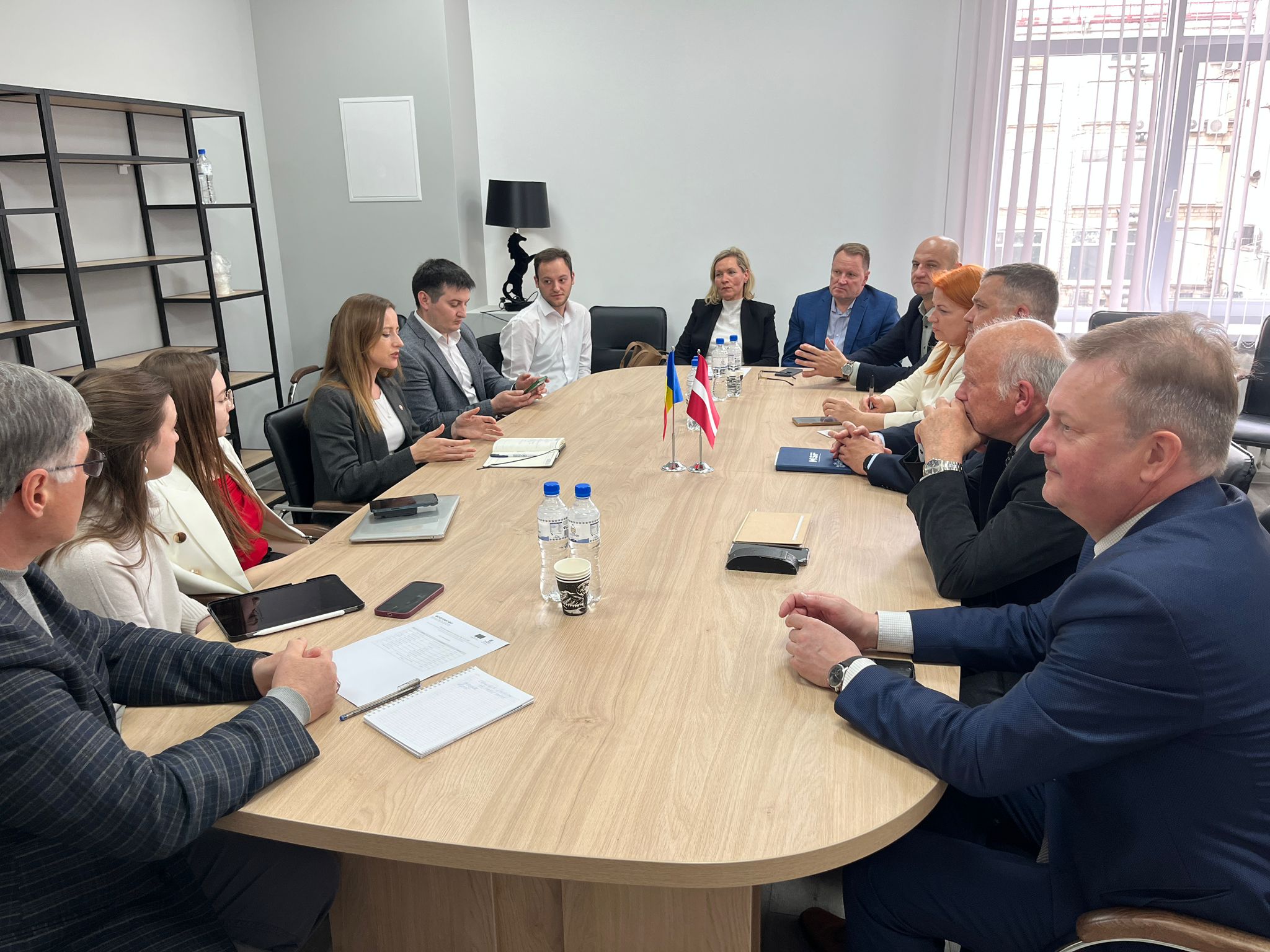
Carolina Novac, State Secretary at the Ministry of Energy, held a working meeting with an official delegation from Latvia, led by the Ambassador of Latvia to the Republic of Moldova, H.E. Edgars Bondars. The meeting focused on exploring opportunities for bilateral cooperation in the field of energy recovery from waste and wastewater.
The discussions specifically targeted the experience of Latvian companies in developing advanced technological solutions for the production and use of biogas. The delegation representatives presented business models and examples of operational energy infrastructure in Latvia, where biogas is obtained from organic waste and wastewater and subsequently used for generating electricity, heat, or as biomethane for public and private transport.
Latvia is among the countries that have successfully created an effective framework for attracting investments in circular energy infrastructure, with the active participation of private companies and local authorities. These best practices are of major interest to the Republic of Moldova, especially in the context of efforts to diversify energy sources, reduce import dependency, and promote green technologies.
“The harnessing of domestic renewable resources, including through the transformation of waste into energy, is a strategic direction for the Republic of Moldova. The successful models presented by our Latvian partners provide a valuable starting point for developing similar projects at the national level,” stated Carolina Novac, State Secretary at the Ministry of Energy.
During the meeting, the organization of a study visit to Latvia was also agreed upon, for a group of farmers, agricultural producers, and investors from the Republic of Moldova. This visit will offer them the opportunity to learn firsthand about the biogas sector, interact with industry operators, and understand the development stages of successful organic waste recovery projects.
The meeting paved the way for closer cooperation in areas such as high-efficiency cogeneration, biomethane infrastructure, public-private partnerships, and exchanges of technological know-how.
Images