Secretary of State Carolina Novac discussed with local authorities and economic agents from the Cocieri commune
- 563 reads


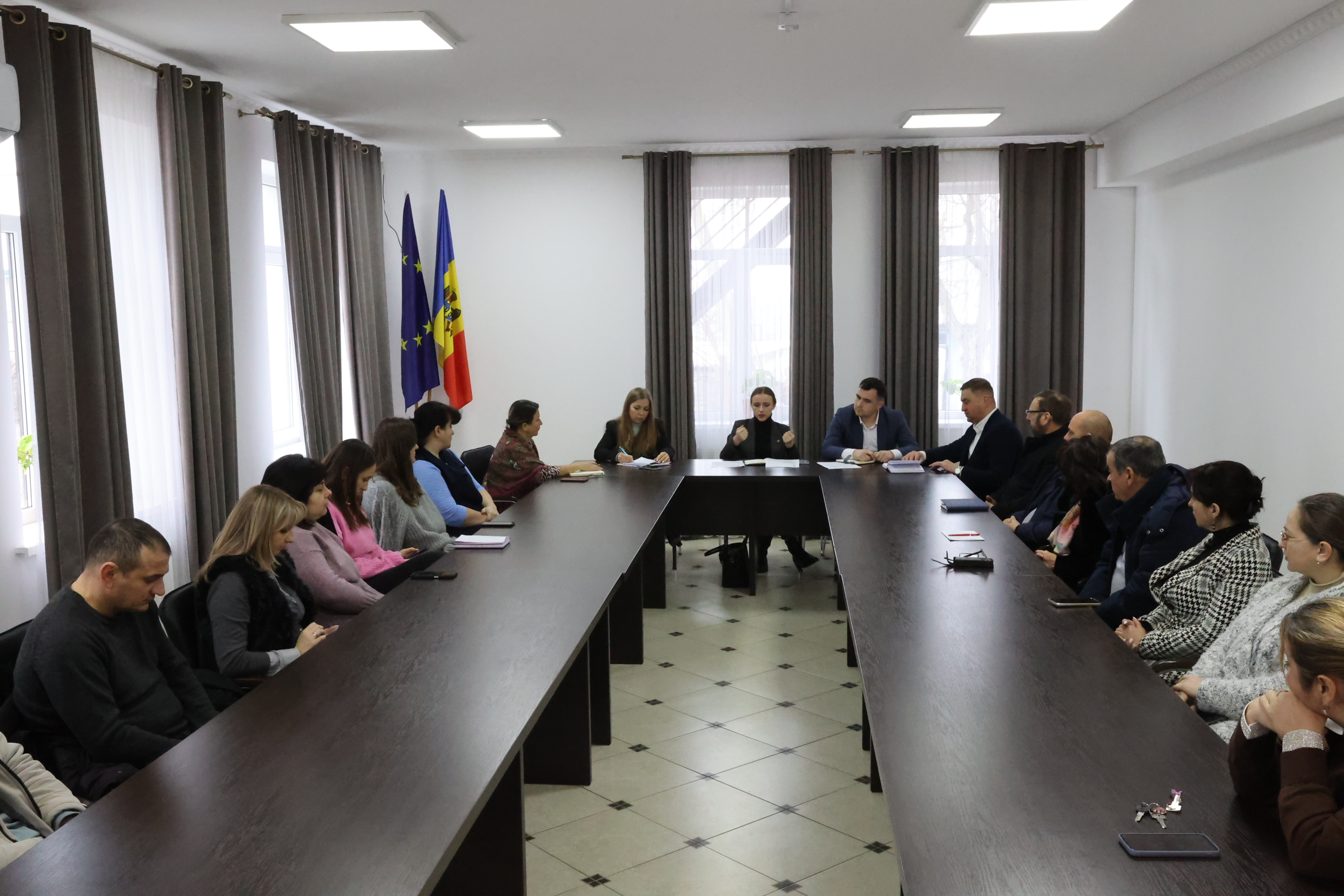
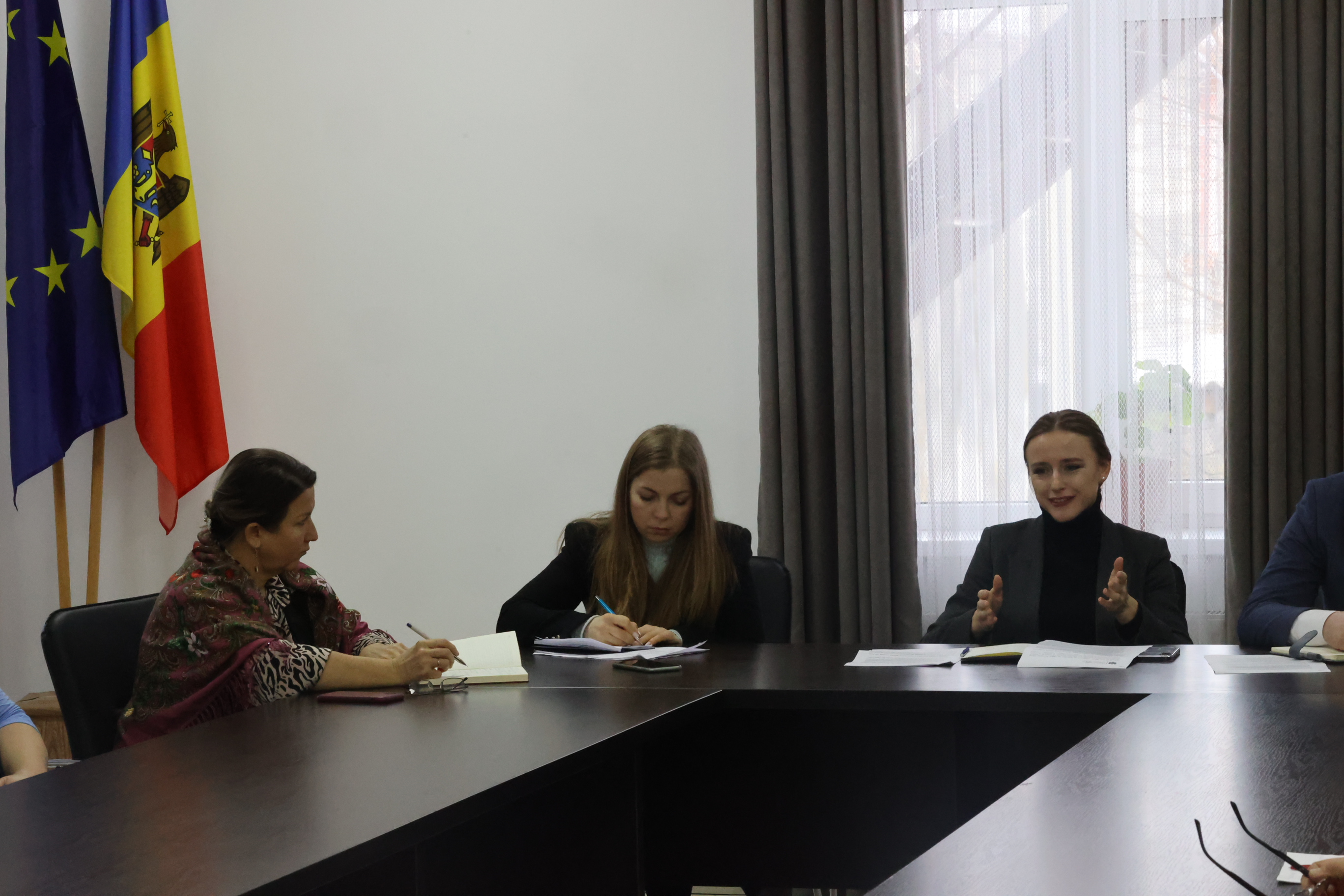
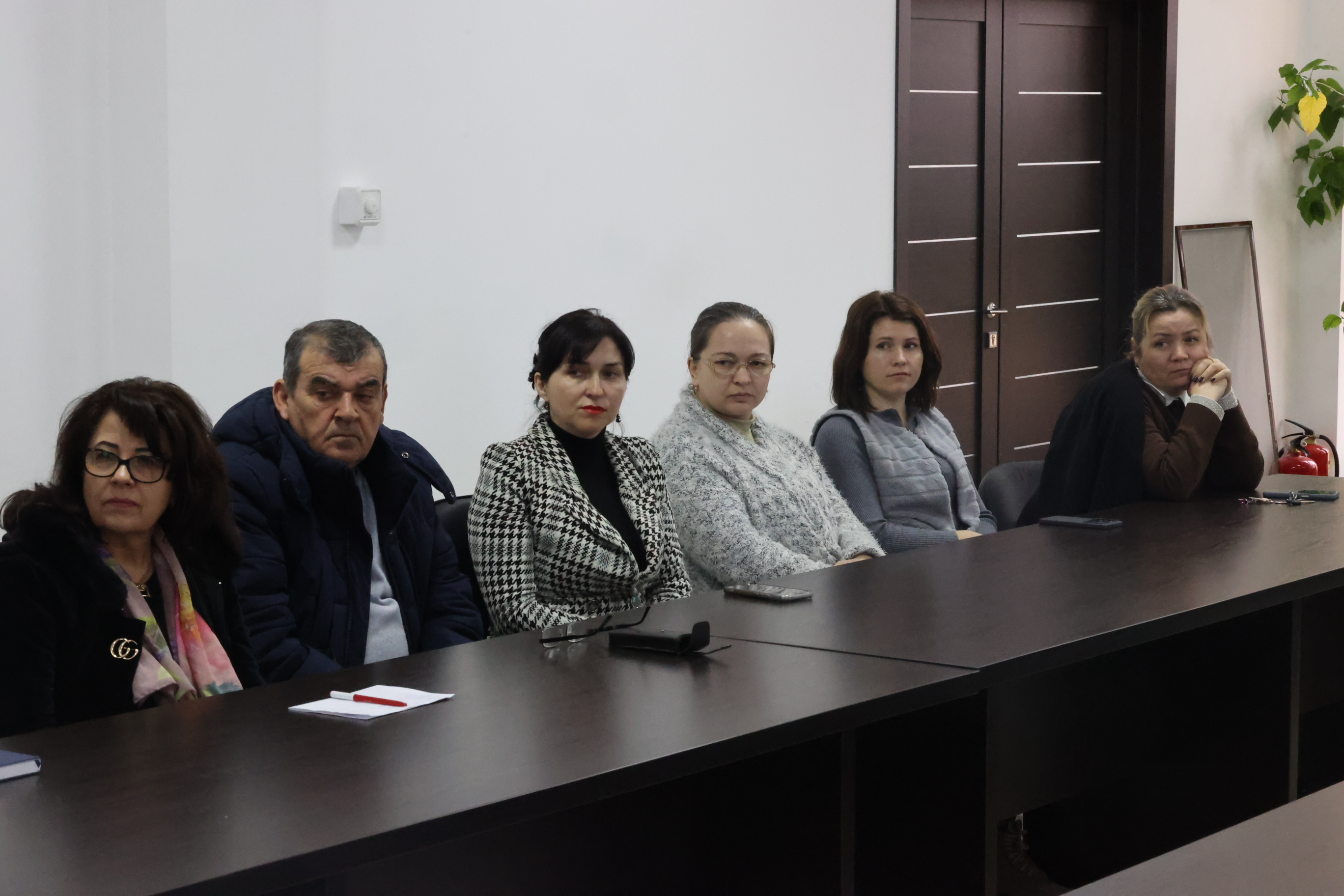
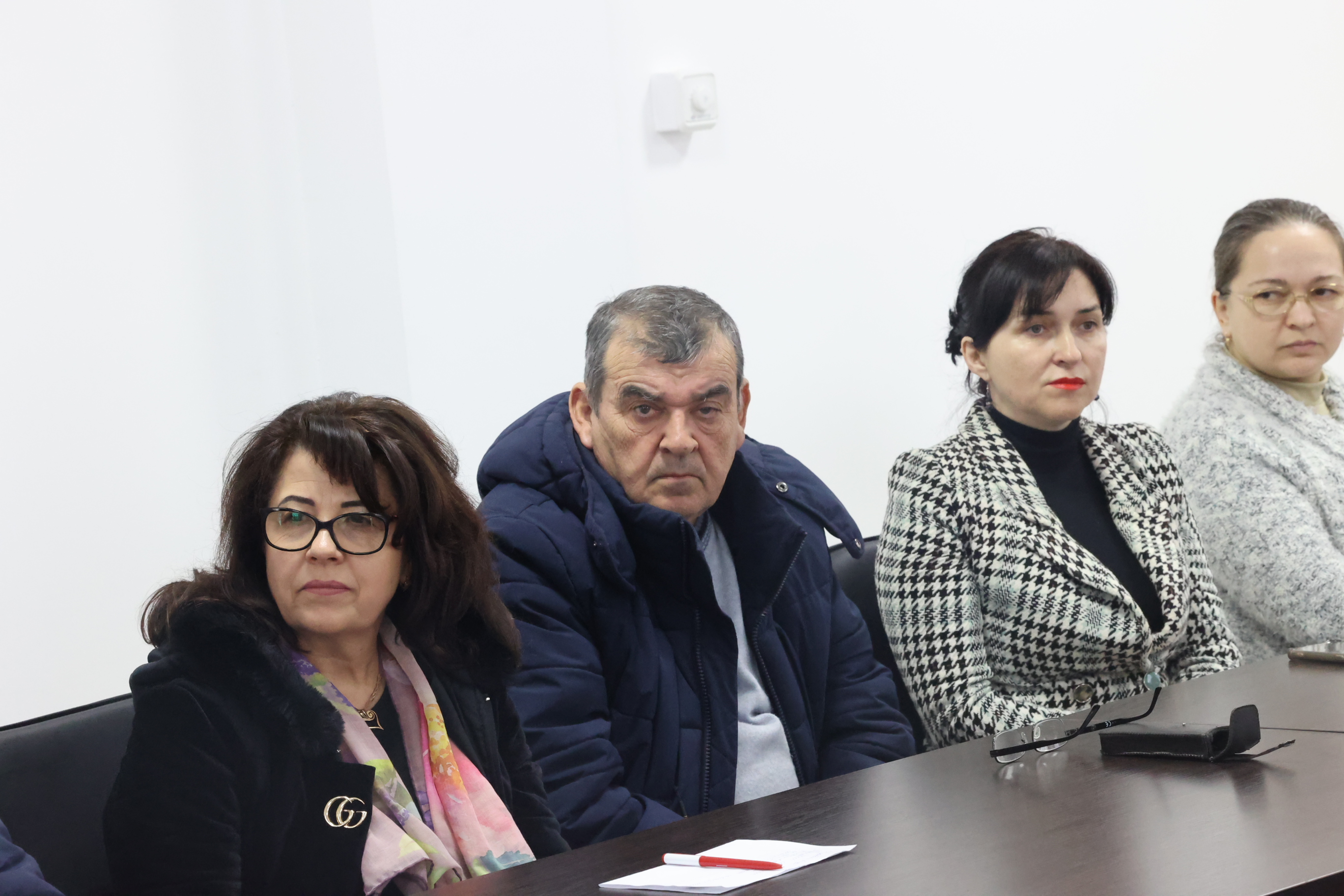
Carolina Novac, Secretary of State of the Ministry of Energy, recently visited the Cocieri commune in the Dubăsari district, where she held a meeting with local authorities, business representatives, and the representatives of the Molovata Nouă mayor's office. The main topics discussed were the challenges they face in the process of installing power plants, particularly those using photovoltaic panels as energy sources for self-consumption.
One of the main obstacles highlighted by entrepreneurs was the complexity of authorization procedures and obtaining the necessary permits for installing power plants. In this context, Secretary of State Carolina Novac provided clarifications regarding the land use for installing photovoltaic plants and also about promoting a legislative mechanism that would encourage well-intentioned investors to build renewable energy power plants, rather than those who block the connection capacity to the electrical grid.
“The proposed solution from the authorities aims at holding applicants accountable and stimulating the acquisition of connection permits only when there is a real intention to build power plants with a capacity greater than 200 kW. The conditional release of connection permits through financial accountability, consisting of submitting performance guarantees, will reduce the risk of reserving capacity without the subsequent construction of the power installation. Thus, the efficient use of available connection capacities is ensured,” said Carolina Novac during the discussions.
Additionally, representatives of the Ministry of Energy, responsible for promoting renewable energy, reiterated that according to the Urbanism Code, for individual houses, on private land where the power plant is installed, as well as on the roofs of apartment buildings intended for providing energy for common areas, works can be carried out without an urbanism certificate for design and without a construction permit.
During the meeting, business representatives also raised bureaucratic difficulties regarding connection to the electricity grid. In this context, Ministry representatives reiterated that for prosumers, the connection permit issuance period is only 10 calendar days, and for large power plants, 30 days. If entrepreneurs reported inconsistencies in the connection process, they were encouraged to submit the corresponding requests to the National Energy Regulatory Agency (ANRE).
Secretary of State Carolina Novac also spoke about the huge potential for solar and wind energy that our country can harness by implementing the concept of energy communities.
“We don’t have gas, oil, or coal, but we have a huge potential for solar and wind energy. The development of energy communities, whose members can include local public authorities, business agents, and individuals, will contribute significantly to reducing costs for covering their own consumption. I encourage you to take advantage of this opportunity,” said Carolina Novac during discussions with entrepreneurs.
The Secretary of State also addressed issues related to financial support available for business agents. Thus, the Government proposes business incentive mechanisms such as the "373" Program, accessible to small and medium-sized enterprises in the trade sector, as well as grants for installing renewable power plants or improving energy consumption efficiency, offered through the European Village Program, the Entrepreneurship Development Organization (ODA), and the Agency for Intervention and Payments in Agriculture (AIPA).
During the meeting, Carolina Novac explained the differences between net metering and net billing mechanisms, mentioning that starting January 1, 2024, the net billing system is applied for small producers with an installed capacity of up to 200 kW, aimed at covering their own electricity consumption.
“The net billing mechanism allows the surplus electricity injected into the grid to be accounted for in money form. It can be accumulated for a period of 12 months and transferred for another period or paid,” added Carolina Novac.
By the end of 2024, the total installed capacity of renewable power plants in Moldova reached approximately 600 MW, which represents an increase of about eight times compared to 2020. This progress is supported through various support mechanisms such as net billing and fixed tariffs for producers.
Furthermore, the Ministry of Energy actively promotes the development of renewable energy power plants, and in 2024, tenders were launched for the construction of large photovoltaic and wind parks, which would bring a total investment of approximately 200 million euros.
Images