Training for local public authorities: financial planning, budgeting, procurement, and quality control in municipal energy efficiency projects
- 424 reads


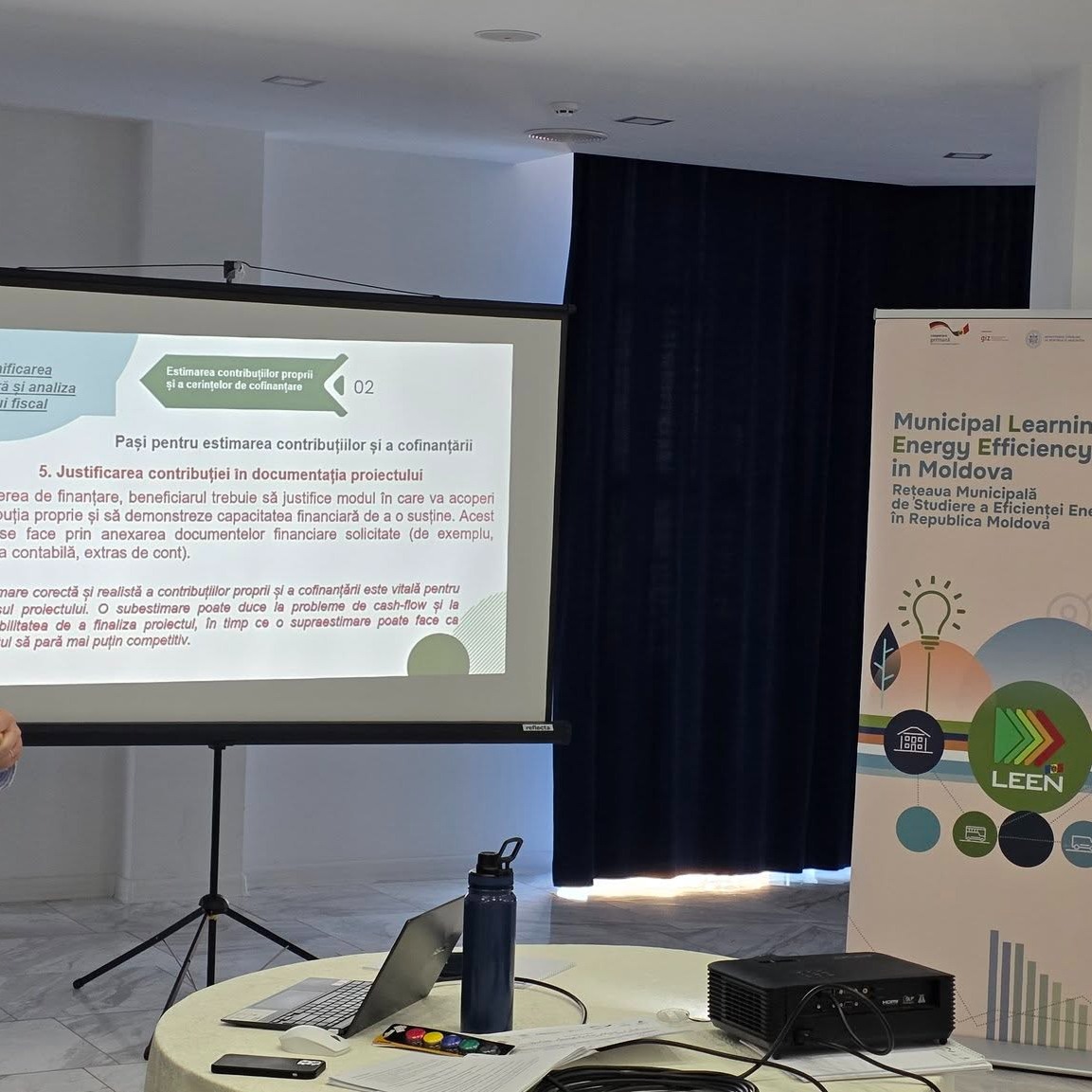
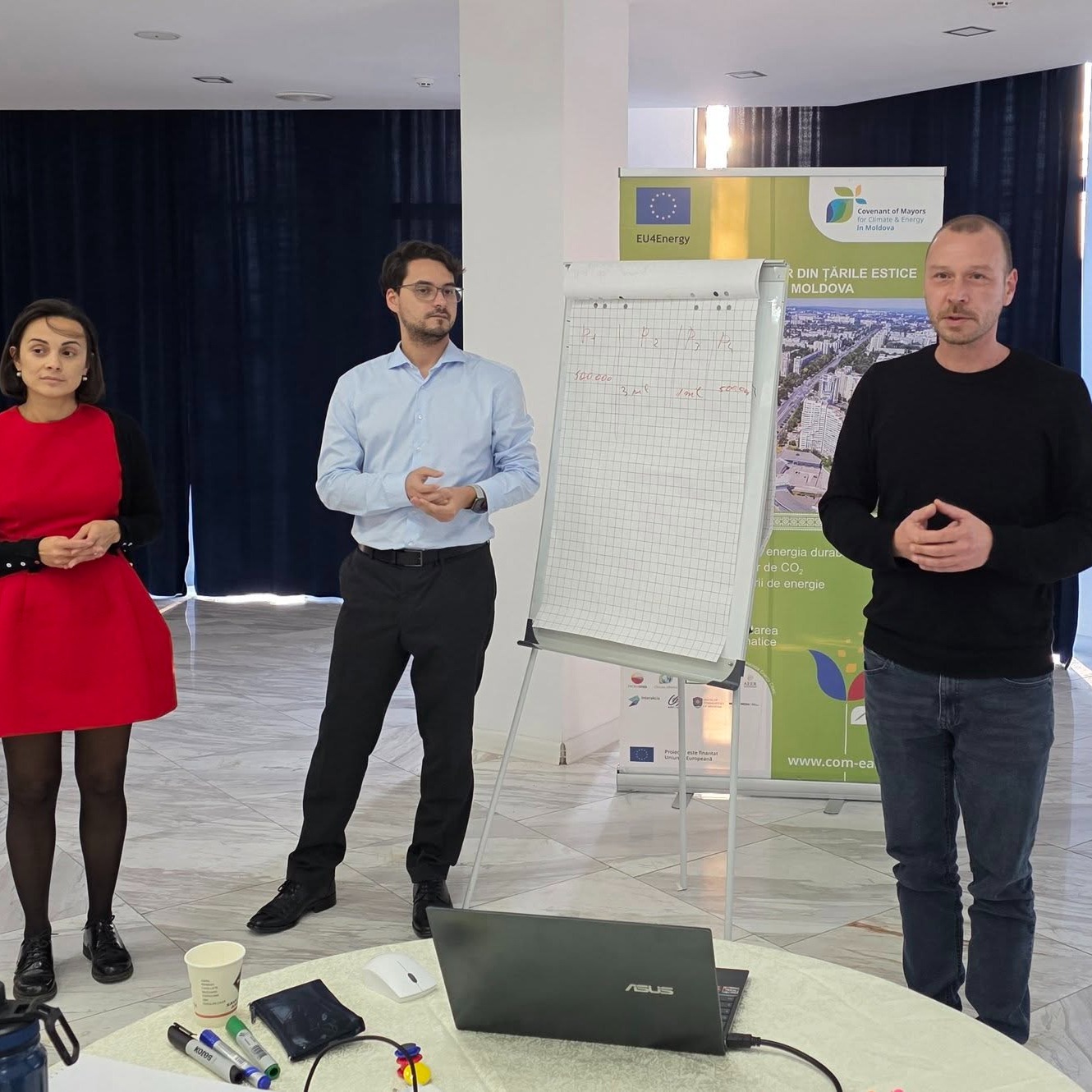
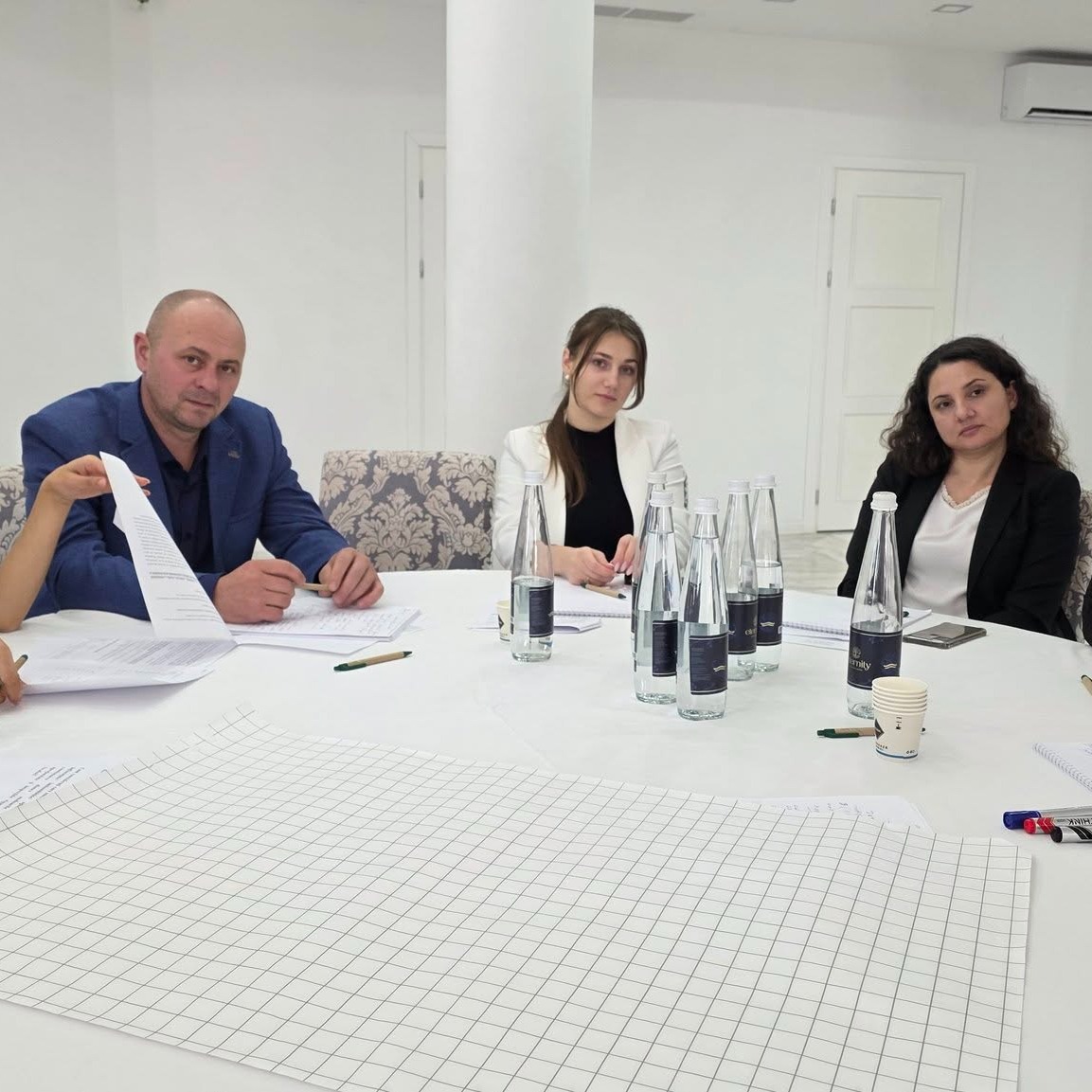
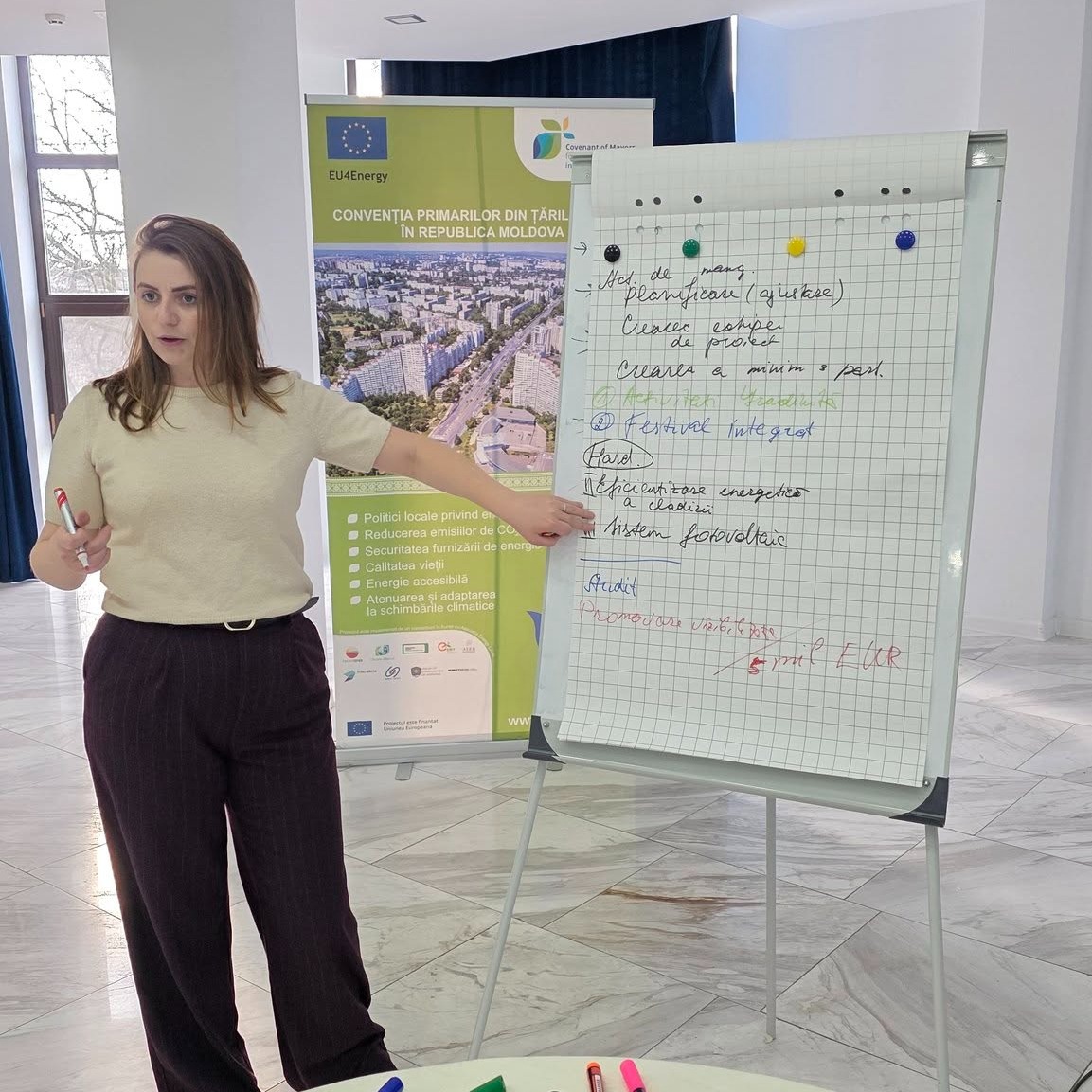
The Alliance for Energy Efficiency and Renewables (AEER) organized a training dedicated to representatives of local public authorities, members of the Learning Energy Efficiency Networks (LEEN), focused on developing practical skills in financial planning, budgeting, procurement, and quality control for municipal energy efficiency projects.
The event was supported by the “Energy Efficiency and Renewable Energies for Moldova” (E4M) project, implemented by GIZ Moldova together with the Government of the Republic of Moldova, financed by the Government of Germany and co-financed by the European Union, Norway, and Denmark.
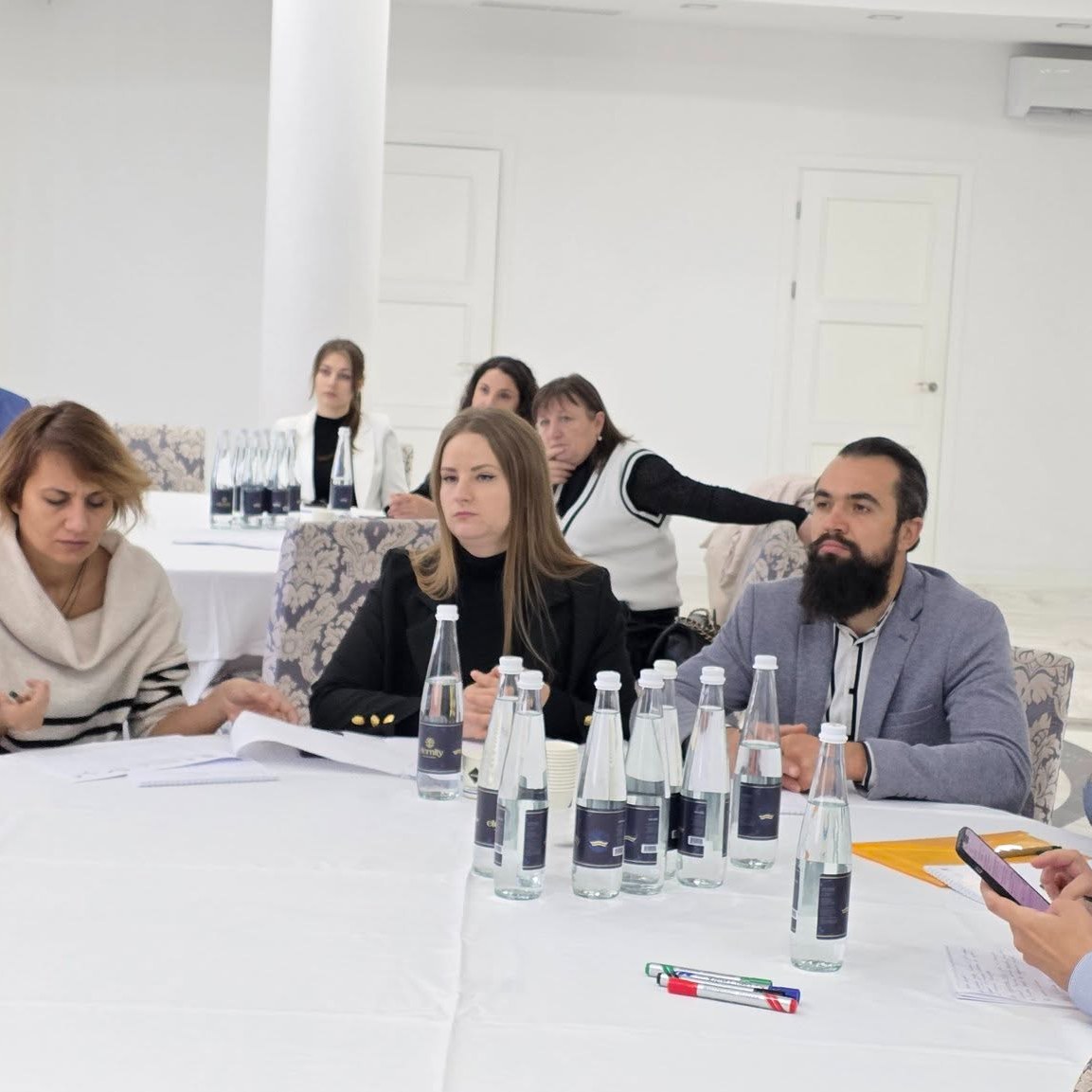
The training brought together heads of municipal departments, accountants, finance and procurement specialists, as well as technical staff and engineers involved in energy efficiency projects. The aim of the workshop was supporting local authorities to manage energy investments more effectively, ensuring transparency, efficiency, and sustainability in the use of public resources.
“Local public authorities need to develop and implement energy and climate plans and contribute to the national objectives on decarbonization. In this respect, the training is a first step in the LEEN initiative to develop skills applicable to the planning and implementation of energy efficiency projects by municipalities,” said Marco Buechel, BMZ component manager.
During the workshop, participants addressed key topics such as: costs of energy efficiency projects, assessment of savings potential and return on investment (ROI); budget planning and accounting treatment of energy efficiency investments; public procurement procedures applicable in the Republic of Moldova and European Union principles; quality standards and contract models, with an emphasis on technical supervision and audit mechanisms, as well as financial instruments available for municipal projects and the advantages of each financing model.
"The activities within the training module are very useful, through the exchange of good practices between local public authorities in Moldova, we identify more easily local development ideas, potential risks or problems in the project implementation process, and practical and real solutions for them. The theoretical part is also useful, with new elements, especially for the stages of designing project proposals and optimal budgeting for European projects. Participating in this module within the LEEN network, led by highly competent and experienced trainers, will certainly improve my project development and writing skills", says Nadejda Zubcu, Investment Projects Specialist, Nisporeni City Hall.
During the training, participants acquired practical skills in developing financial and budgetary plans for energy efficiency projects, integrating investments into multi-annual municipal budgets, preparing tender documentation, and applying quality control mechanisms during project implementation.
The Republic of Moldova has set a target to reduce energy consumption by 0.8% annually, to improve the energy efficiency of 0.8% of all buildings in the country each year, and 3% of the surface area of administrative buildings, of central public administration bodies. This initiative strengthens the capacity of local administrations to implement sustainable energy efficiency projects, which contribute to reducing energy consumption, reducing CO₂ emissions, and increasing the resilience of local communities.
Images