Actions to Ensure Economic Decarbonization Discussed with a Delegation from the European Commission’s Directorate-General for Climate Action (DG CLIMA)
- 428 reads


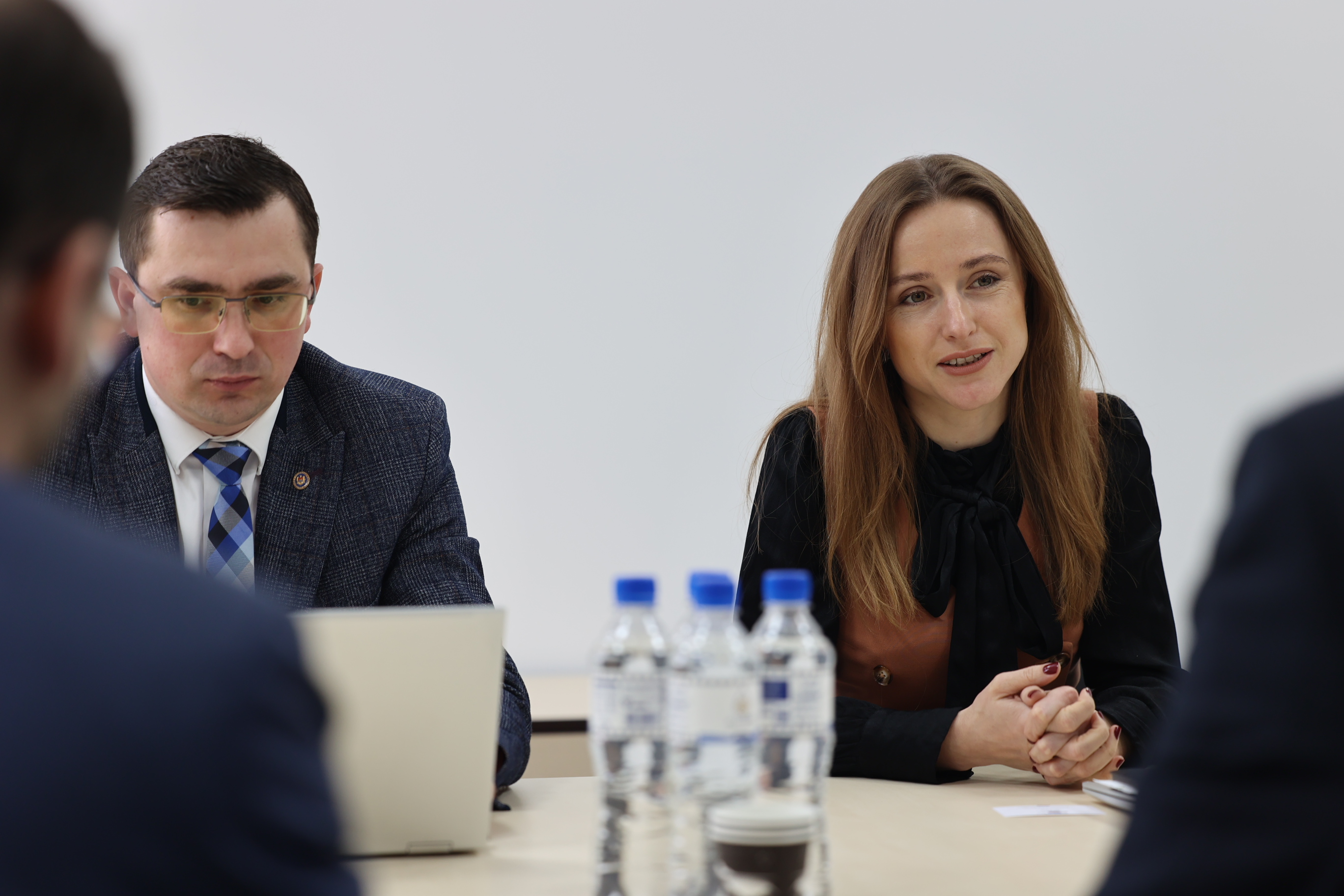
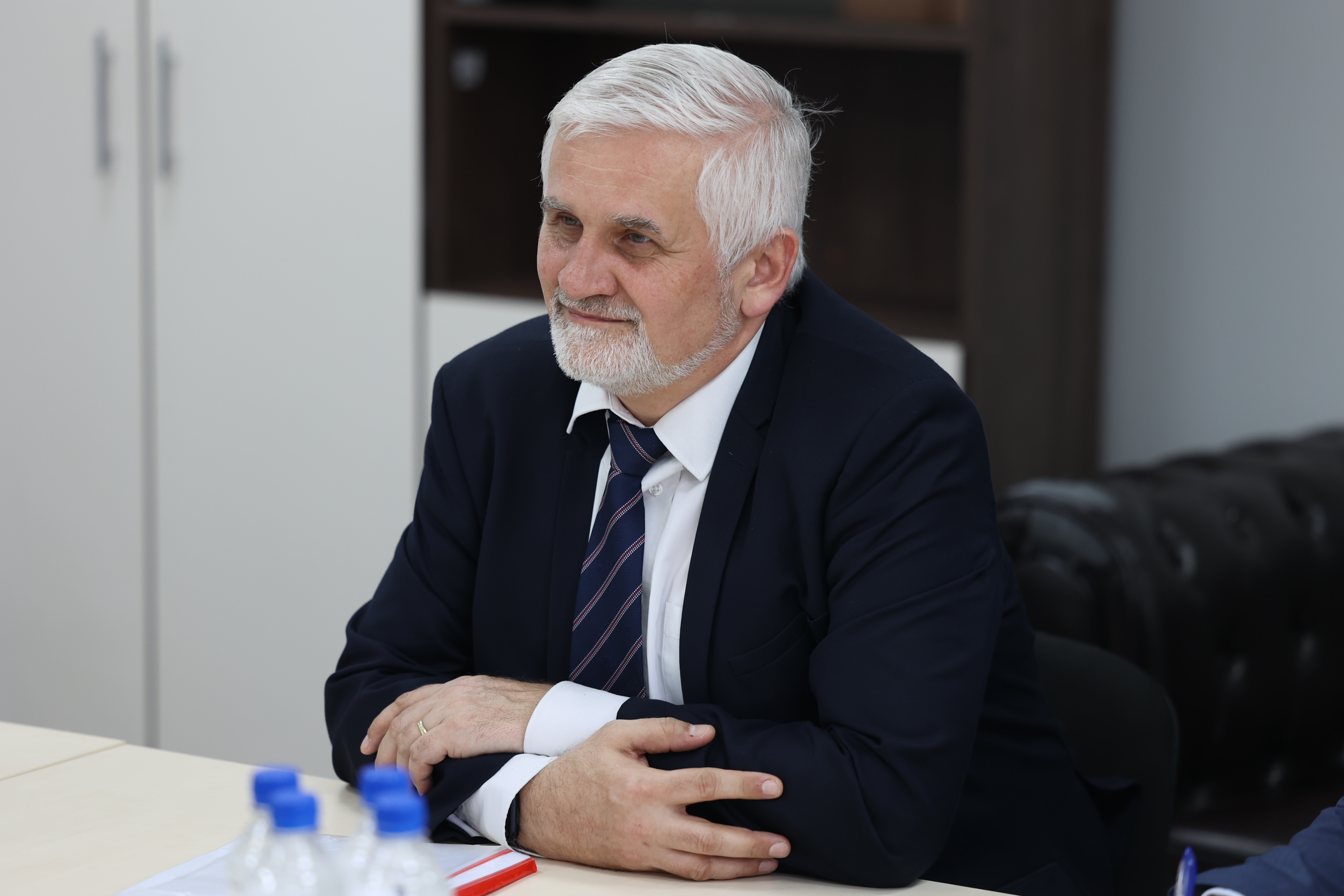
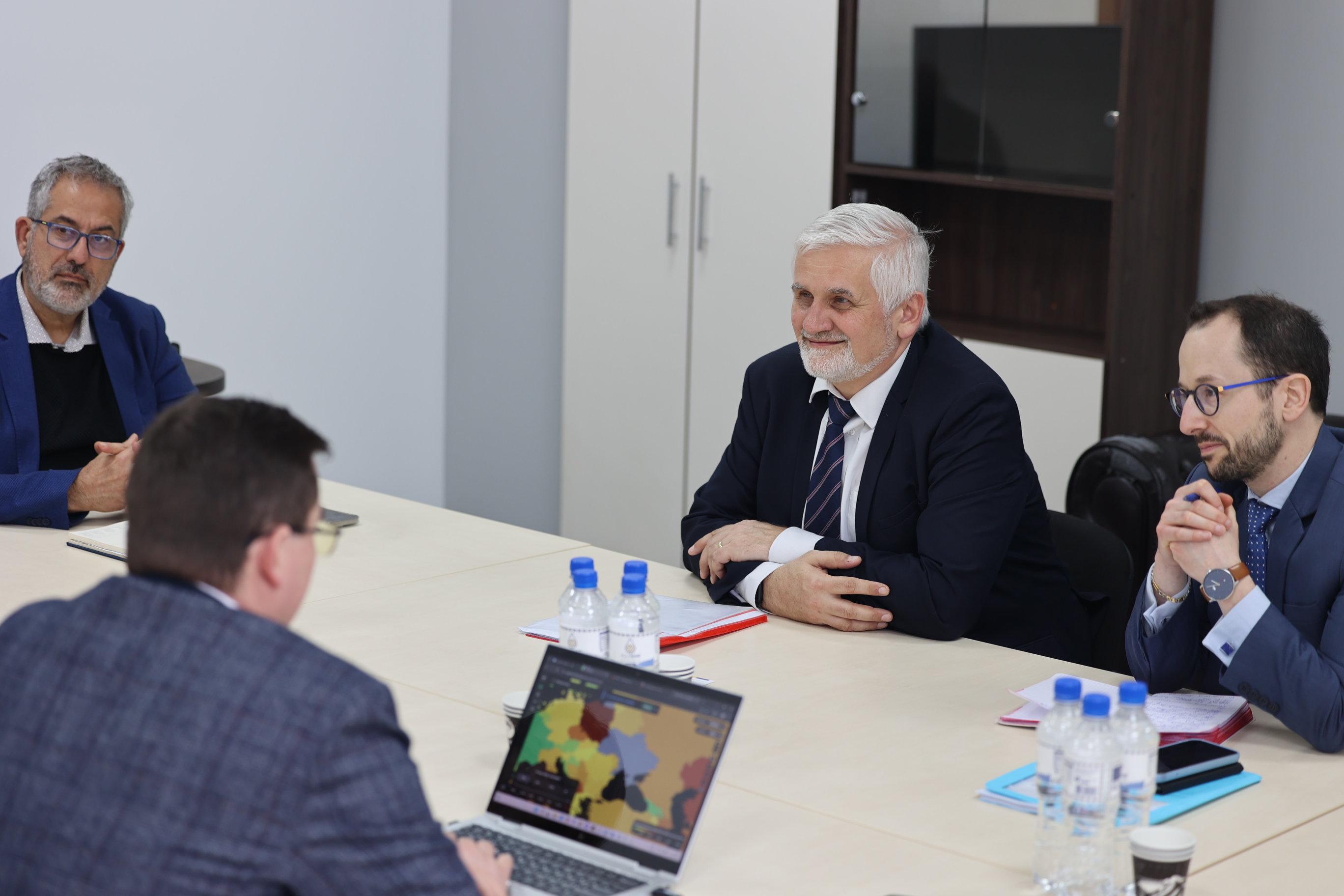
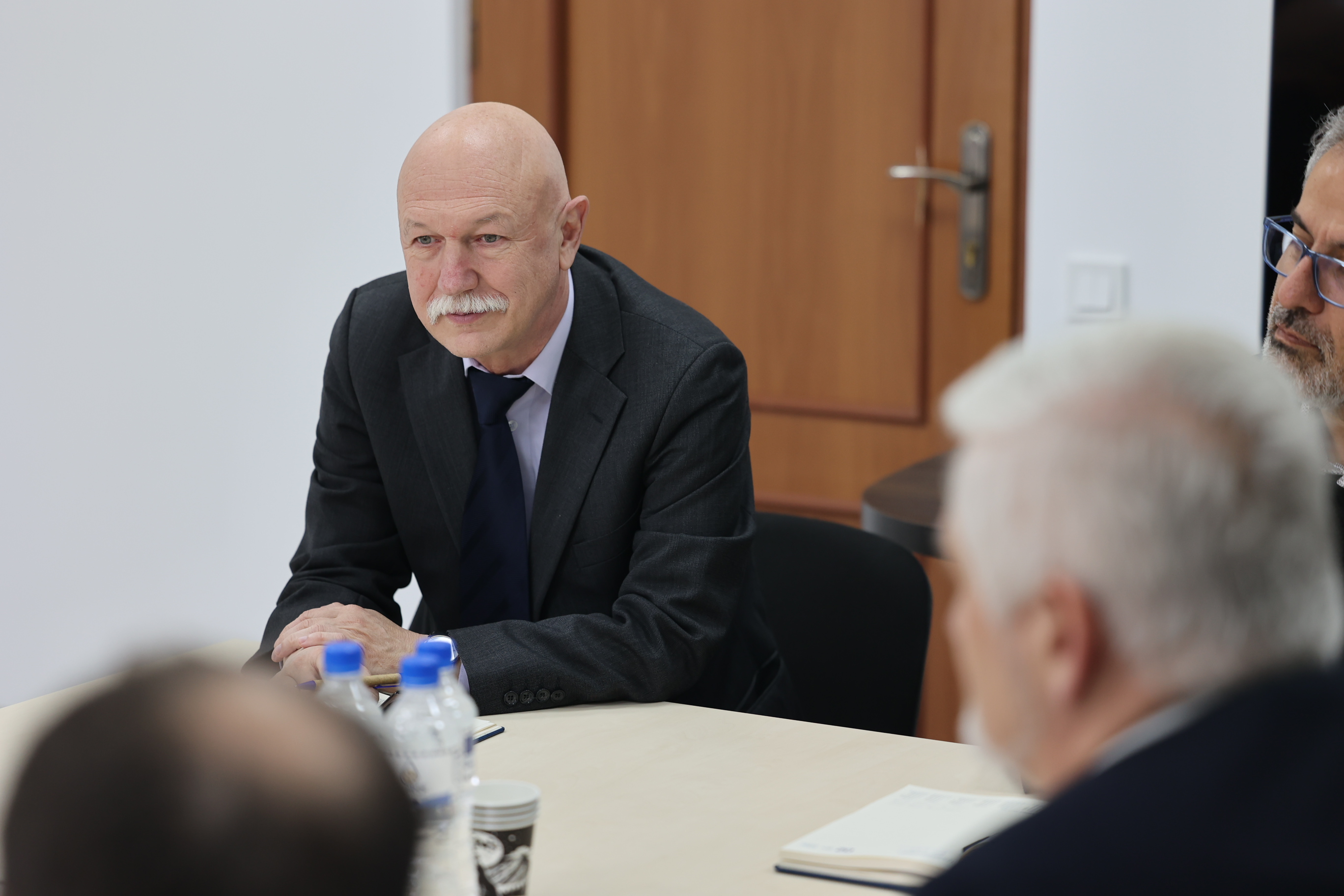
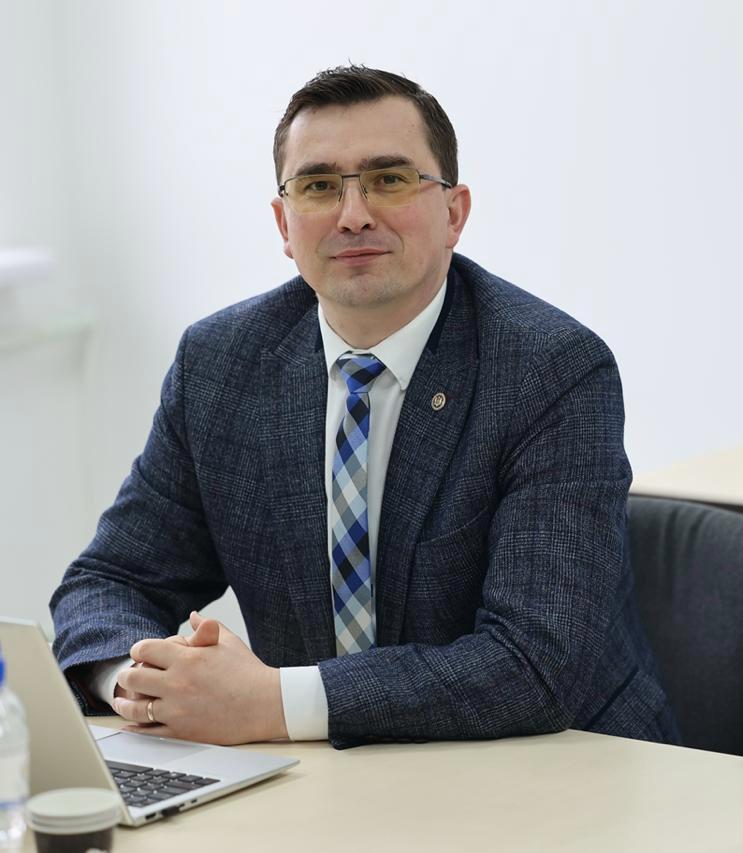
On Monday, the Ministry of Energy hosted a delegation from the European Commission’s Directorate-General for Climate Action (DG CLIMA), led by Director-General Jan Dusik. The meeting with DG CLIMA leadership was attended by Carolina Novac, State Secretary for Decarbonization, Constantin Borosan, State Secretary responsible for natural gas, electricity, thermal energy, and cogeneration, as well as Alexandru Săndulescu, the High-Level European Union Energy Advisor.
Discussions focused on the decarbonization process of Moldova’s energy sector, considering the country’s commitment to achieving carbon neutrality by 2050 in line with the European Union’s objectives. In this context, the parties also addressed the necessary measures to significantly reduce CO2 emissions and develop a sustainable energy system.
Carolina Novac, the State Secretary for Decarbonization, emphasized that one of the government’s primary objectives is to strengthen energy efficiency in both public buildings and the residential sector.
“The launch of the Energy Efficiency Fund for the Residential Sector in Moldova (FEERM) has had a significant impact, driving investments that will not only reduce greenhouse gas emissions but also lower energy bills for consumers. Moreover, this project will stimulate the economy by creating jobs and generating tax revenues. We are committed to improving the energy efficiency of 0.8% of the country’s building stock annually, a significant step toward achieving our climate goals.”
The State Secretary also highlighted that decarbonization cannot be achieved without a substantial expansion of renewable energy production.
“The modernization of the centralized heating system, with the integration of renewable sources, is essential for achieving a green and sustainable energy system. At the same time, biofuels represent an important alternative for meeting the country’s energy needs, contributing to the goal of net-zero emissions by 2050,” Novac reiterated.
Additionally, discussions covered carbon pricing mechanisms, such as the European Union Emissions Trading System (ETS) and the Carbon Border Adjustment Mechanism (CBAM), as essential tools for promoting a low-carbon economy.
Carolina Novac also brought up the recent approval of quality standards for solid biofuels, an important measure for environmental protection and ensuring that consumers have access to high-quality products. These standards, developed with the support of the European Union and UNDP Moldova, will allow consumers to verify the quality of biofuels, thereby reducing the use of fossil fuels and promoting renewable energy sources, the State Secretary noted during the discussions.
Constantin Borosan, the State Secretary responsible for natural gas, electricity, thermal energy, and cogeneration, remarked that the challenges Moldova has faced in recent years, including crises caused by Russia, have been turned into opportunities.
“Moldova has used these challenges to modernize its energy system, accelerating the development of the energy market and securing energy supplies for citizens. Now, it is crucial to strengthen our energy infrastructure projects, and we are grateful to the European Union and our partners in Romania for facilitating our access to electricity and natural gas markets, exporting energy to Moldova, and contributing to the expansion of interconnection capacities. To ensure the continued development of energy efficiency projects, closer collaboration is needed, as we cannot achieve significant transformations in the sector without substantially reducing energy waste.”
For his part, DG CLIMA Director-General Jan Dusik welcomed Moldova’s progress in energy security, the green transition, and the adaptation of its regulatory framework to align with EU acquis. He encouraged authorities to draw from the experiences of other European countries, which could help reduce emissions and support the transition to a greener economy.
Images